Movement Building vs Traditional Organizing
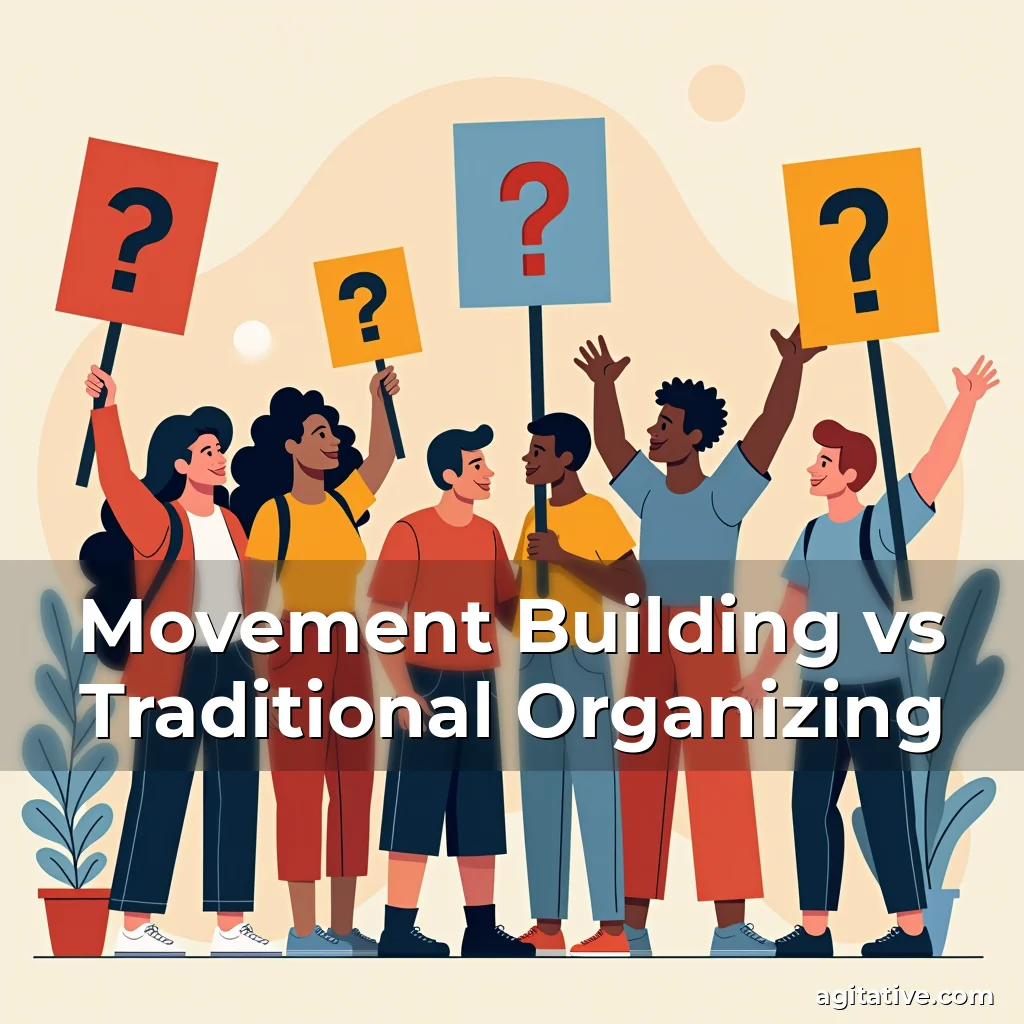
Movement building represents a paradigm shift in how activists approach collective action, emphasizing sustainability, inclusivity, and systemic transformation over isolated campaigns. Unlike traditional organizing, which often focuses on single-issue advocacy or electoral politics, movement building seeks to cultivate broad-based coalitions capable of challenging entrenched power structures. This distinction defines its relevance in modern activism.
The rise of global crises—from climate collapse to racial injustice—has made movement building essential for fostering resilience and long-term impact. By prioritizing shared values and collective ownership, movement builders aim to
Strategies for Legal Defense
When facing arrest or prosecution, legal aid services become critical. Movement collectives should establish legal defense funds, train volunteers in courtroom procedures, and collaborate with lawyers specializing in civil liberties.
A 2020 analysis by the National Lawyers Guild showed that 65% of arrested protesters received inadequate legal representation. Proactive preparation—including recording interactions with law enforcement and documenting police behavior—can strengthen cases and deter abuse of power.
Measuring Impact Beyond Metrics
Traditional metrics like attendance numbers or petition signatures oversimplify movement success. Real impact manifests in changed attitudes, institutional reforms, and everyday acts of defiance. Measuring qualitative shifts requires nuanced assessment methods.
Storytelling serves as powerful evaluation tool. Collecting testimonies from impacted individuals reveals how movement work translates into improved lives. Similarly, tracking policy changes at municipal levels shows incremental gains toward larger objectives.
- Qualitative Assessment: Conduct interviews and focus groups to gauge personal transformations resulting from movement involvement.
- Policy Tracking: Monitor legislative developments influenced by grassroots pres
Resilience Amid Setbacks
No movement achieves victory overnight. Resistance from elites, internal conflicts, and societal apathy test resolve repeatedly. Resilience hinges on cultivating psychological endurance and communal strength to persist through defeats.
Historical precedents demonstrate that setbacks often catalyze innovation. The Stonewall riots erupted after a failed raid on a gay bar, transforming localized anger into national LGBTQ+ activism. Embracing failure as a stepping stone rather than a defeat fuels future breakthroughs.
Tools for Emotional Healing
Activists frequently encounter trauma—whether from witnessing violence, experiencing discrimination, or grappling with emotional exhaustion. Providing mental health resources, such as therapy stipends or peer support circles, safeguards wellbeing and prevents burnout.
A 2022 Harvard study linked chronic stress in activists to higher rates of depression and anxiety. Incorporating mindfulness exercises, art therapy, and decompression rituals into movement activities creates healthier environments for sustained engagement.
Legacy and Future Directions
Movement building aims not only to effect change but to leave behind legacies that inspire future generations. This involves documenting stories, preserving archives, and nurturing leadership pipelines that ensure continuity across lifetimes.
Technology offers unprecedented possibilities for legacy preservation. Digital repositories, podcasts, and AI-driven oral history projects safeguard knowledge against erasure. At the same time, analog formats like printed pamphlets and physical murals maintain tactile connections to the past.
- Oral History Projects: Record elders’ accounts of past struggles to bridge generational divides and honor ancestral wisdom.
- Youth Mentorship Programs: Pair seasoned activists with younger members to transmit skills, deepen understanding, and foster intergenerational bonds.
Conclusion
Movement building presents a bold alternative to conventional organizing, prioritizing equity, durability, and holistic transformation. Its emphasis on decentralization, intersectionality, and authentic engagement reshapes how activists envision collective action in the 21st century.
To embrace movement building fully, practitioners must commit to lifelong learning, adaptability, and unwavering solidarity. By grounding efforts in humility, courage, and love for the world we seek to create, movements can forge pathways toward true liberation—for all beings.

news is a contributor at Agitative. We are committed to providing well-researched, accurate, and valuable content to our readers.