Emotional Triggers: The Unseen Forces Shaping Social Movements
In an era defined by rapid information exchange and global interconnectedness, emotional triggers have emerged as pivotal instruments in driving social change and activism. These psychological mechanisms are not merely tools but essential components that fuel collective action and amplify individual voices into powerful movements.
The ability to harness emotional triggers is now a cornerstone skill for activists seeking to inspire widespread engagement and mobilize communities toward shared goals. Understanding how these forces work can transform passive observers into active participants within any cause-driven campaign.
The Science Behind Emotional Resonance
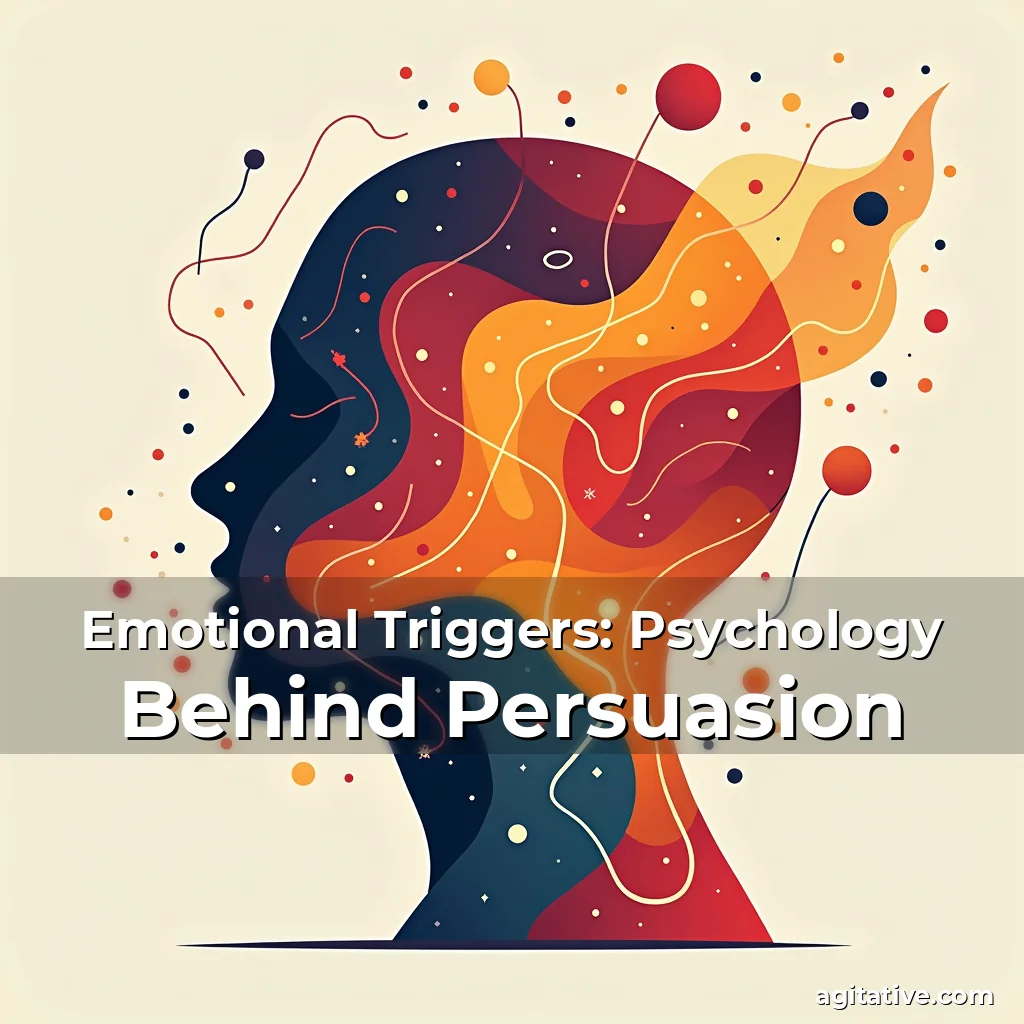
Human emotions serve as both signal and motivation, shaping our perceptions and influencing our behaviors in profound ways. When activated effectively, emotional triggers can bridge cognitive understanding with visceral reactions, creating a powerful synergy between intellect and feeling.
Cognitive neuroscience reveals fascinating insights about brain function during emotionally charged moments. Studies show increased activity in regions associated with empathy and moral judgment when individuals witness injustice or suffering through media narratives designed to provoke such responses.
This neurological response forms the foundation for why carefully crafted messages often elicit stronger reactions than purely factual presentations. By activating these primal centers in the brain, advocates create pathways that resonate deeply with audiences at both conscious and subconscious levels.
Identifying Key Emotion Types in Activism
Activists must understand which specific emotion types prove most effective in different contexts. Fear-based appeals can be strategically deployed to highlight imminent dangers, while hope-focused messaging inspires long-term visioning around potential futures.
Anger, when properly channeled, becomes a catalyst for direct action. Historical examples demonstrate how righteous indignation has propelled landmark civil rights victories across generations.
Guilt, though complex to navigate ethically, remains potent for prompting behavioral change when tied to personal responsibility rather than shame-inducing tactics. This distinction is crucial for maintaining credibility while encouraging reflection.
- Fear activates survival instincts, making people attentive to threats and vulnerabilities
- Hope sustains long-term commitment by presenting achievable visions of progress
- Rage sparks immediate action, particularly effective in urgent crisis situations
- Sorrow deepens empathetic connections, fostering solidarity among affected groups
Strategic Deployment of Emotional Triggers
Masterful use of emotional triggers requires careful calibration based on context, audience, and desired outcomes. Effective campaigns balance intensity with nuance, ensuring messages resonate without triggering defensive reactions from skeptics.
Storytelling emerges as one of the most powerful methods for deploying these triggers authentically. Personal narratives carry weight because they bypass intellectual defenses, connecting directly with core values and lived experiences.
Data visualization also plays a critical role in triggering appropriate emotional responses. Visual representations of inequality, climate destruction, or health crises make abstract numbers tangible and emotionally impactful.
Navigating Ethical Considerations
While emotional triggers offer immense power for good, their misuse risks manipulation and erosion of trust. Ethical deployment demands transparency about intent and proportionality in the chosen emotional responses.
Campaigns must avoid exploiting vulnerabilities or using fear-mongering techniques that rely on exaggeration or misinformation. Trust is fragile, requiring consistent alignment between message content and real-world consequences.
Ethical boundaries become even more crucial when working with marginalized communities whose trauma histories may heighten sensitivity to certain trigger types. Cultural competence informs responsible application of these strategies.
Case Studies in Effective Trigger Usage
Examining successful movements provides concrete illustrations of effective trigger usage. From #MeToo’s empathic resonance to Greta Thunberg’s impassioned calls to action, each case demonstrates strategic emotional activation.
The Civil Rights Movement exemplifies how combining rage against systemic oppression with hope for equality created unstoppable momentum. Martin Luther King Jr.’s speeches masterfully wove these elements together through poetic language and symbolic references.
Digital platforms have transformed traditional protest methodologies by enabling viral emotional transmission. Memes, hashtags, and short video clips spread sentiment rapidly across demographics previously unreachable through conventional channels.
Crafting Compelling Narratives
Compelling storytelling involves identifying narrative arcs that mirror universal human experiences while remaining rooted in specific activist causes. Hero journeys, underdog stories, and transformational narratives all possess inherent emotional appeal.
Characters must embody authenticity, reflecting diverse backgrounds and perspectives within target populations. Relatable protagonists help audiences see themselves reflected in movement narratives.
Voice modulation – whether spoken or written – significantly impacts emotional reception. Tone shifts between urgency, compassion, and determination shape audience perception dramatically.
Visual symbols further enhance narrative effectiveness. Iconic imagery creates instant recognition while conveying complex ideas through simple visual metaphors that transcend linguistic barriers.
Building Sustainable Emotional Momentum
Maintaining emotional engagement over time requires evolving strategies that prevent desensitization effects. Fresh approaches must continually reframe issues in ways that sustain relevance and urgency.
Benchmarking success goes beyond traditional metrics like participation numbers or fundraising totals. Measuring emotional impact includes assessing changes in public sentiment, policy discourse, and institutional attitudes towards key issues.
Feedback loops become essential for refining emotional engagement strategies. Monitoring audience responses allows for iterative improvements that align better with shifting cultural landscapes and technological advances.
The Future Landscape of Emotional Advocacy
Emerging technologies present new frontiers for emotional advocacy while introducing fresh ethical dilemmas. Virtual reality experiences can immerse users in simulated realities where emotional triggers manifest more intensely than traditional media formats.
Artificial intelligence offers opportunities for personalized emotional engagement through adaptive messaging systems tailored to individual psychographic profiles. However, these capabilities raise concerns about data privacy and algorithmic bias.
Augmented reality applications enable innovative storytelling modes that overlay digital content onto physical environments, creating hybrid spaces where emotional triggers operate continuously in everyday settings.
Conclusion
Understanding and mastering emotional triggers represents a fundamental shift in modern activism. It equips organizers with tools to connect meaningfully with diverse audiences while navigating complex sociopolitical landscapes responsibly.
By embracing this knowledge with integrity, advocates can cultivate sustained movements capable of reshaping societal norms and accelerating meaningful change. The future belongs to those who wield these emotional levers thoughtfully and ethically.

news is a contributor at Agitative. We are committed to providing well-researched, accurate, and valuable content to our readers.