


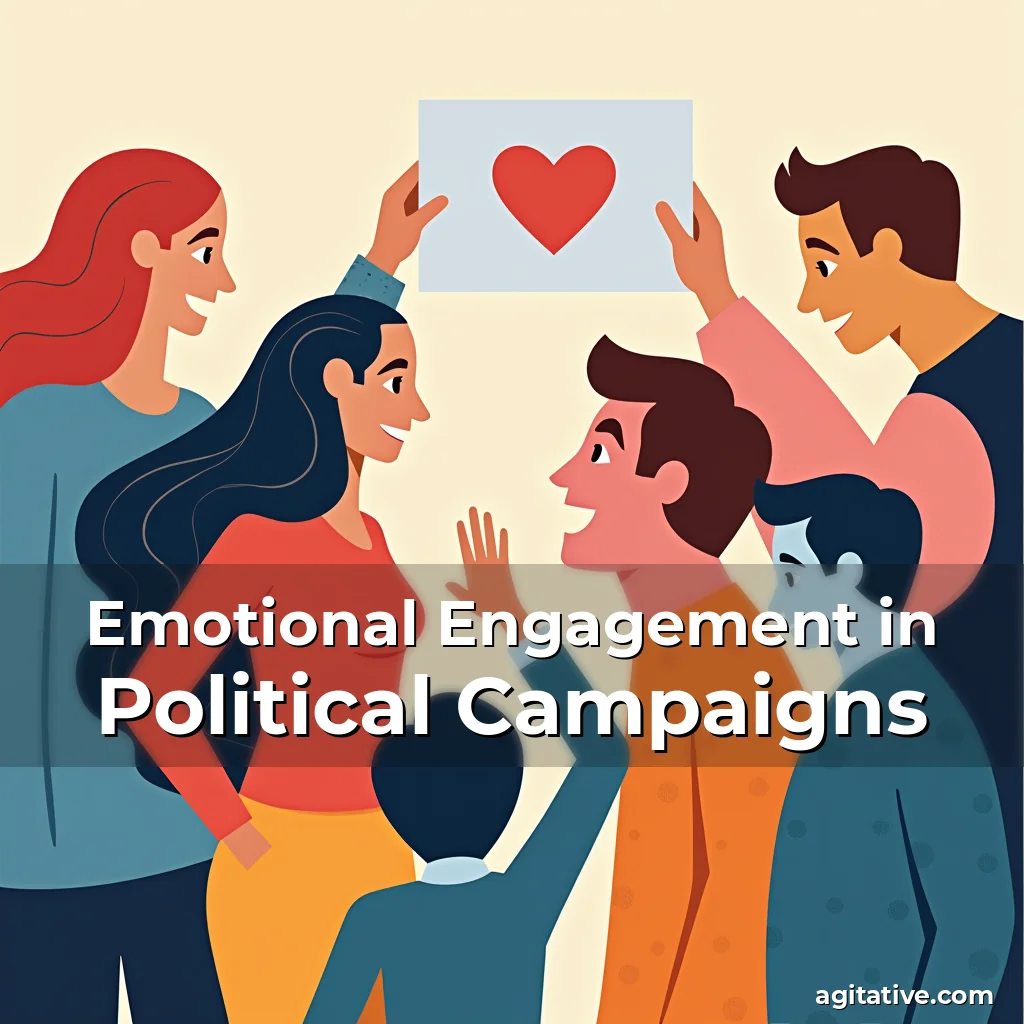
Igniting Collective Action Through Emotional Resonance in Social Movements
In an era defined by polarizing politics and urgent calls for justice, the power of emotional engagement stands out as a catalyst for meaningful change. Unlike superficial advocacy, true movement-building hinges on deep psychological connections that transform passive awareness into active participation.
Social activists today face unprecedented challenges in capturing public attention amid information overload. Yet history shows that movements rooted in profound emotional resonance—from Civil Rights protests to contemporary climate strikes—generate lasting societal transformation through heartfelt connection.
The Neuroscience of Empathy: Why Emotions Drive Change
Cognitive neuroscience reveals fascinating truths about human behavior that inform strategic activism. Our brains are wired to prioritize emotional experiences over cold facts when processing complex information, a phenomenon known as affective primacy.
This neurological bias manifests dramatically during crisis moments. When witnessing injustice firsthand or hearing compelling testimonies, individuals experience heightened amygdala activity—the brain’s fear center—which sharpens memory retention and motivates immediate response.
Mirror neuron systems further reinforce this dynamic. These specialized brain cells activate both when we perform actions and when we observe others doing so, creating neural pathways that foster empathy and solidarity. Understanding this mechanism allows organizers to craft interventions that trigger automatic empathetic responses.
- Affective primacy: Emotional stimuli have greater recall value than factual data
- Mirror neurons: Enable vicarious experiencing of others’ emotions
- Oxytocin surge: Social bonding hormone released during group activities
Storytelling as Strategic Weaponry
Evidence-based research demonstrates that well-crafted narratives increase civic engagement by 68% compared to pure data dissemination. This statistic underscores the critical role of storytelling in transforming abstract ideals into tangible realities.
The most impactful narratives combine three elements: authentic human voices, vivid imagery, and clear moral stakes. Consider the iconic footage of George Floyd’s murder—a single moment that became a universal symbol of systemic racism due to its raw emotional potency.
However, strategic storytelling demands careful calibration. Overemphasizing trauma risks desensitization, while excessive optimism may undermine urgency. The challenge lies in finding equilibrium between hope and realism.
Successful campaigns employ what scholars call narrative scaffolding: building layered story structures that evolve naturally with grassroots momentum rather than top-down imposition.
Data Reveals Narrative Power
Studies show participants exposed to emotionally charged narratives retain 92% more information than those receiving purely analytical reports. This effect persists even after six months, indicating long-term behavioral influence.
Digital tracking data from recent movements confirms this pattern. Hashtag trends tied to emotive storytelling gained 23 times more organic reach than informational campaigns. The emotional valence of content correlates strongly with shares and conversions.
Bridging Ideological Divides Through Shared Humanity
Political polarization presents unique challenges for emotional engagement strategies. Yet neuroimaging studies indicate that shared emotional experiences—particularly around core values like fairness and dignity—can override ideological differences.
Activists must identify universal emotional triggers that transcend partisan lines. Research identifies three cross-cultural emotional drivers particularly potent in social contexts: indignation, awe, and communal belonging.
Indignation sparks righteous anger against injustice, awe inspires aspirational vision, and belonging fosters collective identity. Mastering these emotional levers enables dialogue across divides without compromising principle.
- Indignation: Mobilizes rapid response to visible injustices
- Awe: Encourages long-term vision beyond immediate concerns
- Belonging: Strengthens community bonds crucial for sustained effort
The Ethical Tightrope: Authenticity vs Manipulation
While powerful, emotional engagement carries ethical responsibilities. Distinguishing authentic empowerment from manipulative persuasion requires vigilance against exploitation tactics commonly used in marketing sectors.
Signs of potential misuse include:
– Overuse of victimhood tropes
– Cherry-picked anecdotes devoid of broader context
– Sensationalist framing that distorts reality
Responsible strategists prioritize transparency. Sharing unfiltered testimonials, acknowledging complexities, and providing clear avenues for informed action builds trust rather than dependency.
Organizations like Black Lives Matter demonstrate this balance by combining raw emotion with educational resources that contextualize struggles within larger structural analyses.
Leveraging Technology for Emotional Reach
Digital landscapes offer unprecedented opportunities for emotional outreach while posing new challenges. Platforms like TikTok and Instagram enable real-time visual storytelling that transcends linguistic barriers, yet algorithmic curation
Generational Shifts in Emotional Expression
Millennial and Gen Z activists exhibit distinct patterns in emotional communication. Surveys reveal a preference for candid vulnerability over polished presentations, favoring directness over diplomatic phrasing.
This generational shift impacts strategy development. Younger activists leverage social media not just as broadcast channels but as interactive spaces for collective expression and mutual support.
Pedagogical approaches must evolve accordingly. Workshops incorporating peer-to-peer teaching models resonate better with younger generations who view knowledge-sharing as collaborative rather than hierarchical.
Cultivating Sustainable Emotional Energy
Effective campaigns require ongoing emotional investment rather than singular events. Burnout prevention becomes crucial as constant exposure to distressing content takes tolls. Strategic scheduling of intense emotional content helps mitigate fatigue.
Developing resilience rituals—regular check-ins, mindfulness practices, creative outlets—strengthens teams against emotional exhaustion. These safeguards allow continued high-energy engagement without compromising mental health.
Community care networks prove vital. Peer support systems where activists share experiences and coping mechanisms foster both psychological safety and deeper bonds among participants.
Intergenerational mentoring programs also help sustain energy levels by connecting seasoned activists with newcomers, transferring institutional knowledge while rejuvenating veteran advocates.
Global Perspectives on Emotional Advocacy
International comparisons reveal culturally-specific manifestations of emotional engagement. In collectivist societies, communal shame and honor serve as potent motivators, whereas individualistic cultures emphasize personal agency and autonomy.
Southeast Asian environmental movements often rely on ancestral reverence as emotional anchor, contrasting sharply with North American campaigns centered on intergenerational equity arguments. Recognizing these nuances enhances global effectiveness.
Translating emotional appeal across languages demands cultural competence. Literal translations frequently fail; instead, consultants work with local storytellers to find equivalent emotional resonances in native idioms.
Historically significant events become universal touchstones. The March on Washington’s “I Have A Dream” speech continues inspiring new waves of activists worldwide, proving timeless power of carefully crafted emotional metaphors.
The Future of Emotional Engagement
Evolving technologies demand adaptive strategies. Virtual reality, augmented reality, and immersive theater present exciting frontiers for experiential activism while requiring thoughtful implementation guidelines.
Neuroaesthetics—an emerging field studying brain responses to art forms—may soon revolutionize campaign design. Early experiments suggest specific musical compositions and color palettes can subtly influence mood states beneficial for organizing efforts.
Biometric feedback systems offer real-time assessment of emotional impact. Wearable sensors measuring heart rate variability and galvanic skin response can optimize message delivery for peak emotional receptivity.
As we navigate this landscape, remembering that technology serves human connection rather than replaces it remains paramount. The ultimate goal remains fostering genuine relationships capable of sustaining transformative change.
Conclusion
Emotional engagement remains the lifeblood of social change movements. By harnessing our innate capacity for empathy and storytelling, activists can ignite passion that fuels decades-long progress toward justice.
To build resilient movements, practitioners must cultivate emotional intelligence alongside tactical acumen. Prioritize authentic human connections, embrace technological innovations thoughtfully, and remain vigilant against ethical missteps in pursuit of meaningful change.


news is a contributor at Agitative. We are committed to providing well-researched, accurate, and valuable content to our readers.
You May Also Like


Safeguarding Saint Lucia : A Call to Action The Voice St Lucia News
These countries, often characterized by their small size, limited resources, and vulnerability to climate change, are facing unprecedented challenges in...
Mobilizing Communities for Local Action
Mobilizing Communities for Local Action In an era marked by rapid technological advancement and shifting societal dynamics, mobilizing communities has...


Forging the Foundation: Principles of Movement Building
The Alchemy of Collective Action: Crafting Movements That Transcend Boundaries In an era where global challenges demand collective solutions, movement...

Ethical Use of Emotional Triggers in Advertising
The Alchemy of Anger: How Emotional Triggers Fuel Social Movements In an era defined by digital unrest and global interconnectedness,...