


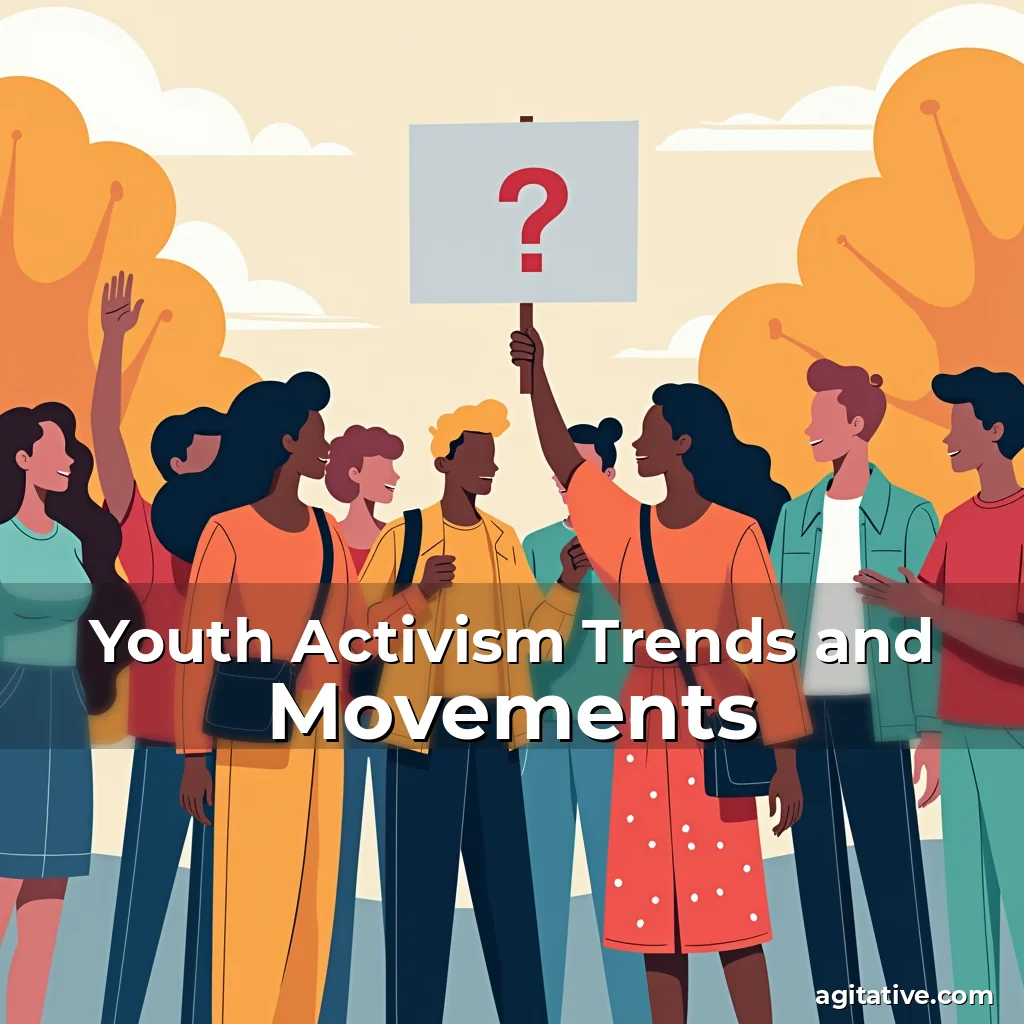
The Rise of Youth-Led Social Movements in the Digital Age
In an era defined by rapid technological advancement and global interconnectedness, youth-led activism has emerged as a powerful force shaping contemporary society. Young people are leveraging digital platforms to mobilize communities, raise awareness, and demand systemic change across various issues.
This generation of activists is uniquely positioned to drive transformation due to their deep engagement with technology and social media. Their ability to organize, educate, and influence public opinion through these channels is redefining traditional models of protest and advocacy.
Digital Mobilization: The New Frontier of Activism
Social media platforms have become essential tools for organizing protests, spreading information, and building solidarity among activists worldwide. These platforms allow movements to gain traction quickly and reach audiences beyond local boundaries.
TikTok, Instagram, Twitter, and YouTube serve not only as amplifiers but also as spaces where new ideas can be tested and refined before being deployed at scale. Hashtags, viral challenges, and live-streaming events have transformed how messages are disseminated.
The role of influencers and content creators cannot be overstated; they act as bridges between grassroots efforts and mainstream visibility. By aligning themselves with causes, they help bring attention to underrepresented issues and encourage broader participation.
- Hashtag Campaigns: Effective use of hashtags allows movements to create shared identities that resonate globally while remaining relevant locally.
- Viral Challenges: Creative online campaigns engage users emotionally and encourage participatory action rather than passive consumption of content.
- Live Streaming: Real-time broadcasting fosters transparency and immediacy, making distant struggles feel immediate and urgent.
Educational Advocacy: Informing Through Action
Beyond raising awareness, today’s youth activists prioritize education as a means of empowerment. They recognize that informed citizens are better equipped to challenge injustices effectively.
Through workshops, webinars, and peer-to-peer learning initiatives, young leaders share knowledge about historical contexts, current policy debates, and practical strategies for effecting change.
This educational approach helps demystify complex topics such as climate science, racial equity, and economic justice, enabling participants to critically analyze problems from multiple perspectives.
Data-Driven Decision Making
Modern activist groups increasingly rely on data analytics to inform their strategies. From tracking legislative progress to monitoring police activity, quantitative insights guide both tactical decisions and long-term goals.
Tools like Google Maps’ real-time updates, AI-powered sentiment analysis, and open-source databases provide unprecedented levels of access to information previously reserved for institutional actors.
Youth organizations often collaborate with tech-savvy volunteers who develop custom apps or modify existing software to meet campaign-specific needs. This innovation enhances efficiency without requiring extensive resources.
Intersectional Approaches: Addressing Multiple Forms of Oppression
A defining characteristic of modern youth activism is its commitment to intersectionality – recognizing how different forms of discrimination intersect within individuals and systems alike.
Movements now emphasize inclusivity by ensuring representation from diverse backgrounds including race, gender identity, socioeconomic status, disability status, and sexual orientation. This holistic perspective strengthens collective power against oppressive structures.
Campaigns frequently highlight overlapping issues such as environmental racism, LGBTQ+ rights in prisons, or immigrant detention conditions affecting women differently based on ethnicity and class background.
Grassroots Organizing Reimagined
While digital tools play a crucial role, many successful movements maintain strong ties to physical community networks. Local chapters continue hosting meetings, rallies, and direct actions alongside virtual outreach efforts.
The hybrid model combines offline presence with online engagement, creating opportunities for deeper connection while maximizing reach. Physical demonstrations remain vital symbols of resistance despite increased surveillance concerns.
By integrating traditional methods with innovative approaches, organizers ensure resilience against attempts at suppression through internet shutdowns or platform censorship policies.
Global Solidarity Networks
Today’s activists understand that struggles against injustice transcend national borders. As such, there is growing emphasis on forming international coalitions capable of supporting each other during times of crisis.
These networks facilitate resource sharing, mutual aid programs, and cross-border advocacy work. For example, student unions might coordinate strikes simultaneously across continents when addressing common issues like tuition hikes or government corruption.
Transnational collaborations also enable marginalized voices from developing countries to participate meaningfully in global conversations typically dominated by Western perspectives.
Challenges in International Collaboration
Despite numerous benefits, working across cultures presents inherent difficulties. Language barriers, differing political climates, and varying degrees of digital infrastructure pose significant hurdles.
To overcome these obstacles, effective communication requires sensitivity towards cultural nuances and willingness to adapt tactics accordingly. Building trust takes time but remains essential for sustained cooperation.
Leveraging multilingual social media accounts, hiring interpreters, and investing in translation technologies help bridge some gaps although complete understanding may never fully materialize due to contextual differences.
Climate Justice at the Forefront
No discussion about present-day activism would be complete without highlighting the prominence of climate justice movements led primarily by younger generations concerned about ecological degradation and intergenerational inequality.
Students, indigenous peoples, scientists, artists, and everyday citizens unite around demands for governmental accountability regarding carbon emissions reduction targets, fossil fuel divestment, and equitable transition plans benefiting vulnerable populations most affected by climate change.
Events like Fridays for Future school walkouts demonstrate how nonviolent civil disobedience combined with scientific evidence can pressure policymakers toward meaningful legislation protecting future generations’ wellbeing.
Feminist Revival and Gender Equality Strides
There has been a resurgence of feminist movements focused not just on reproductive rights but also on dismantling patriarchal norms embedded deeply within societal institutions ranging from workplaces to legal frameworks.
Young feminists advocate for inclusive definitions of feminism encompassing intersectional identities. Their activism includes challenging harmful stereotypes, promoting equal pay laws, and advocating for safer environments free from harassment and violence.
Online forums provide safe spaces for discussions surrounding body positivity, mental health support, and anti-racist feminism which was historically overlooked by early waves of second-wave feminism centered predominantly around white middle-class experiences.
Anti-Racism and Decolonial Practices
With renewed urgency following high-profile incidents involving police brutality against Black Americans, anti-racist activism continues gaining momentum globally. Similar patterns emerge elsewhere concerning ethnic minorities facing disproportionate treatment within judicial systems.
Decolonial practices involve questioning colonial legacies manifesting today through land ownership disputes, language preservation efforts, repatriation requests for culturally significant artifacts held abroad, and restructuring academic curricula removing Eurocentric biases.
Activists push back against narratives glorifying imperialism while celebrating Indigenous knowledge systems whose wisdom offers alternative solutions rooted in sustainability principles unlike extractive capitalism promoted since colonization periods began centuries ago.
Technological Surveillance and Resistance Tactics
As governments expand digital monitoring capabilities, activists must strategize ways to protect privacy while still achieving objectives related to social change. Encrypted messaging apps, decentralized networking protocols, and anonymous browsing techniques offer partial safeguards against invasive oversight mechanisms.
However, even encrypted communications aren’t foolproof given ongoing advancements made by intelligence agencies seeking vulnerabilities exploitable via sophisticated hacking operations targeting dissident groups suspected of subversive activities undermining state authority.
Some collectives experiment with mesh network technologies allowing devices to connect directly without relying upon centralized servers controlled by corporations or governments potentially hostile towards progressive agendas aimed at redistributing wealth equitably among all members regardless of birth circumstances.
The Role of Art and Culture in Activism
Creative expression serves as potent vehicle conveying messages about oppression, hope, and resistance. Murals depicting slain protesters, music samples used in protest chants, poetry recitations performed publicly – these artistic endeavors transform abstract ideals into tangible realities experienced daily.
Artistic interventions provoke thought provocation encouraging viewers reflect upon personal complicity vis-a-vis structural inequalities perpetuated through discriminatory policies enacted over decades maintaining privilege along lines determined largely by skin color, gender presentation, nationality, etcetera.
Cultural producers include musicians, visual artists, writers, filmmakers, dancers – all contributing unique perspectives enriching discourse surrounding necessary transformations required to achieve true liberation from all forms exploitation whether economic, emotional, spiritual, or psychological.
Economic Justice and Labor Rights Advancements
Amid rising income disparities exacerbated further by recent financial crises impacting millions worldwide, young people increasingly take up banners championing fair wages, worker protections, unionization rights, and corporate responsibility standards.
They organize sit-ins outside factories demanding living wage guarantees, launch petitions urging companies to disclose supply chain ethics, and hold teach-ins explaining labor history revealing how past victories were hard-won through relentless struggle against entrenched interests resistant to change.
Collaborations occur regularly between student bodies representing universities with questionable employment practices versus graduate assistants seeking better conditions reflecting broader societal tensions revolving around value placed upon intellectual labor compared manual tasks traditionally undervalued economically yet socially indispensable.
Healthcare Access and Pandemic Response Critiques
Pandemics expose weaknesses within healthcare infrastructures particularly affecting low-income communities lacking adequate medical coverage. Youth advocates stress need for universal access ensuring nobody gets left behind during emergencies threatening entire populations unless swift measures implemented universally.
They critique privatization trends favoring profit margins over patient welfare arguing publicly funded alternatives produce superior outcomes because motivated solely by saving lives rather than generating revenue figures reported quarterly to shareholders expecting returns exceeding investments made initially.
Demands include expanding Medicare/Medicaid eligibility criteria, increasing funding allocations directed specifically towards underserved areas experiencing chronic shortages of qualified professionals willing relocate there permanently due insufficient incentives offered currently available options.
Environmental Degradation and Climate Migration
Increasingly severe weather events linked directly to anthropogenic climate change displace thousands annually forcing them seek refuge elsewhere sometimes leading conflict situations arising out desperation stemming from loss homes livelihoods familiar ecosystems suddenly rendered uninhabitable.
Activists call for stronger disaster preparedness programs incorporating climate projections while simultaneously pushing for emission reductions aligning with IPCC recommendations aiming limit temperature rises below critical thresholds preventing irreversible damage occurring sooner rather later.
Migration policies require revision so displaced persons receive protection instead viewed threats security fabric nations attempting preserve stability amidst chaos caused by external factors beyond control individual citizens exercising right self-determination through voting processes electing officials responsible implementing reforms benefitting everyone equally irrespective demographic characteristics.
Education Reform and Student Empowerment
Students stand at forefront advocating curriculum changes reflecting diverse histories experiences acknowledging contributions made non-Western societies shaping world we inhabit today. Traditional Eurocentric narratives skewed heavily towards male-dominated achievements excluding female scholars inventors philosophers thinkers originating regions far removed geographical proximity Europe itself.
Demands include inclusion texts authored authors belonging minority groups providing balanced view human experience emphasizing interconnectedness rather compartmentalizing subjects isolated disciplines reinforcing false dichotomies separating culture science religion politics etcetera.
Student unions lead efforts pressuring administrations adopt transparent budgeting practices exposing how funds allocated prioritize athletics facilities over classroom improvements libraries research centers thereby demonstrating prioritization values contradict mission statements professing dedication excellence scholarship.
Media Literacy and Truth Verification
False information spreads rapidly especially amplified algorithms designed maximize user engagement resulting echo chambers entrench divisive opinions solidified belief systems difficult alter once established firmly within minds believing truths absolute unchangeable facts.
Training sessions taught identifying fake news sources distinguishing credible journalism biased reporting propaganda disguised advertisements masquerading legitimate content. Critical thinking skills cultivated through exercises analyzing headlines sourcing verifying facts checking citations confirming accuracy before sharing widely.
Developing discernment abilities enables individuals resist manipulation tactics employed bad faith actors aiming sow confusion destabilize democratic processes weakening foundations upon which freedoms rest precarious balance maintained vigilance constant reminders importance truth integrity foundational pillars any functioning society worthy name civilization.
Building Sustainable Futures Through Community Investment
Long-term success depends upon cultivating resilient communities grounded mutual respect collaboration shared vision prosperity accessible resources promoting well-being amongst residents regardless background origin identity preferences.
Investments directed neighborhood revitalization projects enhancing green spaces improving transportation accessibility upgrading housing stock reducing gentrification pressures preserving affordable units available families struggling afford escalating costs associated urban living.
Local businesses supported through grants subsidies loans facilitating growth small enterprises owned operated members communities fostering sense ownership pride contributing significantly overall vibrancy places called home.
Conclusion
The landscape of activism is constantly evolving, shaped by technological innovations, shifting demographics, and emerging global challenges. Youth-driven movements exemplify this dynamism through creative use of digital tools combined with traditional organizational methods.
From climate justice campaigns to decolonial praxis, from intersectional feminism to economic redistribution proposals, today’s activists demonstrate remarkable versatility adapting tactics according to context ensuring relevance effectiveness every endeavor undertaken passionately dedicated pursuit fairness equality dignity all humankind.


news is a contributor at Agitative. We are committed to providing well-researched, accurate, and valuable content to our readers.
You May Also Like


Emotional Triggers in Political Messaging
Emotional Triggers in Political Messaging In an era where information spreads faster than ever before, understanding emotional triggers has become...

Inciting Change in Corporate Culture
Igniting Revolution: A Blueprint for Inciting Systemic Change In a world rife with inequality, injustice, and environmental crisis, inciting change...

Emotional Triggers: Psychology Behind Persuasion
Emotional Triggers: The Unseen Forces Shaping Social Movements In an era defined by rapid information exchange and global interconnectedness, emotional...
Mobilizing Communities: Overcoming Apathy
Mobilizing Communities: Overcoming Apathy In an era where global challenges—from climate change to systemic inequality—demand collective action, mobilizing communities has...