


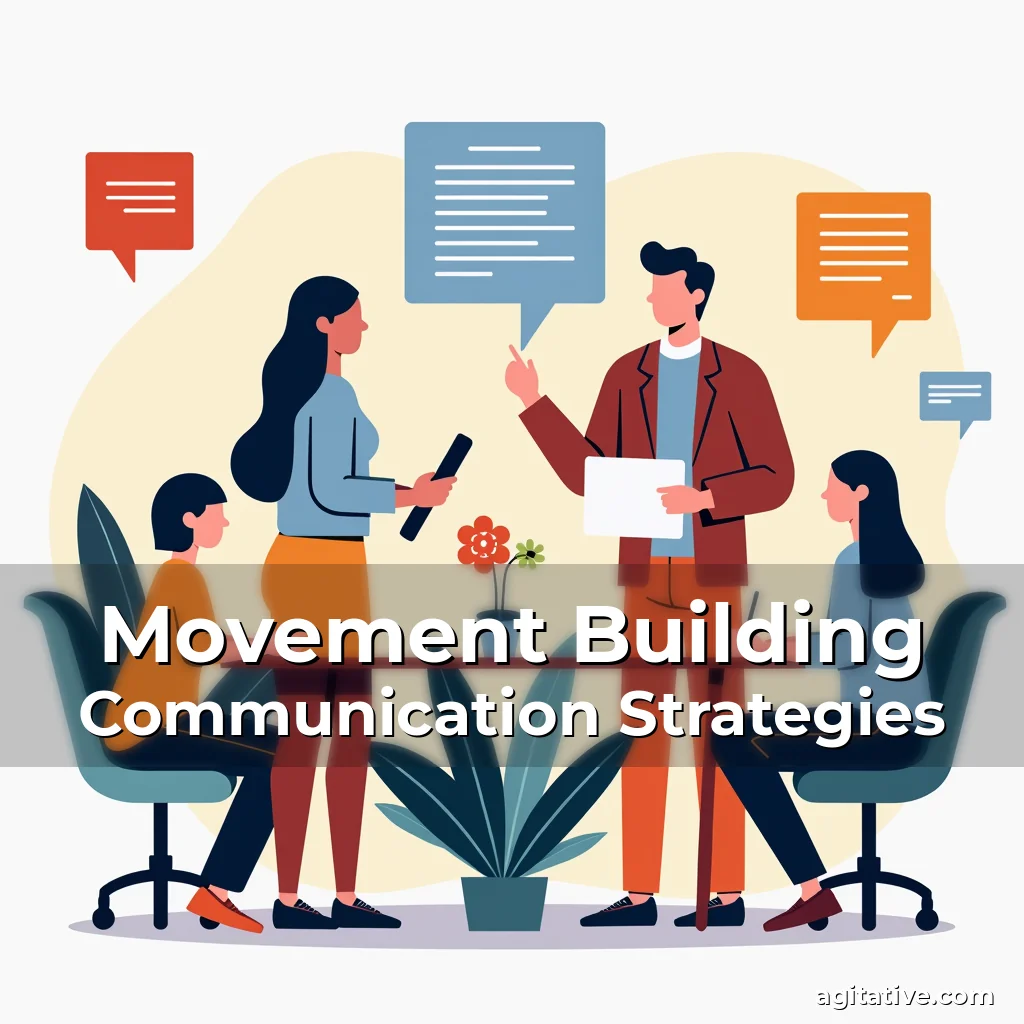
Movement Building Communication Strategies
In an era defined by rapid information exchange and global connectivity, movement building has evolved beyond traditional organizing methods. Effective communication is now at the core of mobilizing communities, fostering solidarity, and driving transformative change.
The power of strategic messaging can turn isolated voices into powerful collective action, shaping public perception and influencing policy outcomes in ways that were once unimaginable.
Fundamentals of Movement Building
Movement building begins with understanding the root causes of societal issues and identifying those most affected by systemic inequities. This foundational awareness guides every aspect of strategy development and outreach efforts.
A clear mission statement serves as both compass and rallying cry for activists, providing direction while inspiring participation through shared purpose and vision.
- Define Core Values: Establishing non-negotiable principles helps maintain integrity during challenging times when compromises may be tempting.
- Map Stakeholders: Identifying allies, opponents, and neutral parties enables targeted engagement strategies tailored to different audiences’ needs and concerns.
Crafting Impactful Messaging
Effective messages resonate emotionally while delivering factual clarity. They must bridge personal narratives with broader structural critiques without alienating potential supporters.
Balancing urgency with hope ensures sustainability; constant emphasis on crisis risks burnout, whereas excessive optimism neglects real challenges facing marginalized groups.
Tone Matters in Activist Discourse
Research indicates that messages using inclusive language (“we”) foster greater community cohesion compared to exclusive phrasing (“they”). Tone also influences media coverage receptivity, with empathetic approaches receiving more sympathetic treatment from journalists.
Studies show that combining data-driven arguments with human stories increases message retention by up to 68%, making this dual approach essential for effective communication campaigns.
Leveraging Digital Platforms
Social media’s role extends far beyond viral moments—it becomes infrastructure for sustained organizing. Strategic use transforms platforms into tools for education, recruitment, and direct action coordination.
Different platforms require distinct content formats: Twitter excels at rapid dissemination, Instagram builds visual storytelling capacity, while TikTok offers creative opportunities to engage younger demographics.
Building Coalitions Across Divides
Successful movements thrive on diverse participation rather than homogeneous unity. Recognizing differences while emphasizing common goals strengthens resilience against fragmentation threats.
Coalition-building demands intentional effort—regular dialogue sessions, transparent decision-making processes, and equitable resource distribution help prevent power imbalances within alliances.
Navigating Ideological Differences
Conflict resolution frameworks such as restorative justice provide structured approaches to addressing disagreements without compromising fundamental objectives. These methods prioritize healing over punishment in group dynamics.
Data shows coalitions with robust conflict resolution mechanisms experience 40% higher long-term stability compared to those lacking formalized mediation protocols.
Educational Outreach as Organizational Tool
Knowledge sharing isn’t merely informative—it’s empowering. Workshops on legal rights, protest tactics, and digital security equip participants with practical skills enhancing their agency in struggles.
Peer-to-peer learning models prove particularly effective, leveraging existing trust networks to spread information more authentically than top-down educational initiatives often do.
Media Engagement Strategies
Purposefully cultivated relationships with journalists create consistent access points for movement visibility. Providing timely, relevant story angles keeps media attention focused on ongoing efforts rather than fleeting events.
Press kits containing well-crafted statements, high-quality visuals, and background materials make it easier for reporters to accurately represent complex issues under tight deadlines.
Creating Sustained Participation
Retention requires meaningful involvement opportunities beyond occasional protests. Structured volunteer roles, skill-sharing circles, and leadership pipelines ensure continued commitment through various stages of activism.
Recognition systems acknowledging contributions—from small acts of support to significant sacrifices—help cultivate a culture where service feels valued rather than transactional.
Adapting to Changing Realities
Movements must remain flexible enough to respond to new developments while maintaining ideological coherence. Regular assessments of external factors inform necessary adjustments without losing sight of core missions.
Crisis response plans prepared in advance enable swift yet thoughtful reactions to unexpected situations, preventing reactive decisions that might undermine carefully built structures.
Measuring Movement Success
Impact evaluation shouldn’t rely solely on quantitative metrics like arrests made or bills passed. Qualitative measures capturing changed attitudes, increased civic engagement, and strengthened communal bonds offer deeper insight into progress.
Third-party evaluations enhance credibility by providing objective perspectives on effectiveness, helping identify areas needing improvement while validating successful strategies.
Conclusion
Strategic communication forms the backbone of any enduring movement, transforming individual resolve into collective power capable of reshaping societies. The right combination of messaging, technology, coalition work, and education creates unstoppable forces for good.
As we move forward, remember that each interaction presents an opportunity to build bridges between ideas, people, and possibilities—this deliberate cultivation of connection remains our greatest tool in the fight for justice.


news is a contributor at Agitative. We are committed to providing well-researched, accurate, and valuable content to our readers.
You May Also Like

Inspiring Change Through Social Media
Inspiring Change Through Social Media The power of social media has transformed how we advocate for change, making it easier...
Agitational Media Distribution Strategies
Agitational Media Distribution Strategies In an era defined by rapid information exchange and global connectivity, agitational media serves as a...

Creating Emotional Engagement on Social Media
Igniting Change Through Heartfelt Connection: Mastering Emotional Engagement in Activism In an era defined by rapid information overload and digital...

Emotional Engagement in Brand Marketing
The Power of Emotional Engagement: Fueling Social Change Through Connection Emotional engagement is not merely a marketing tactic—it is the...