


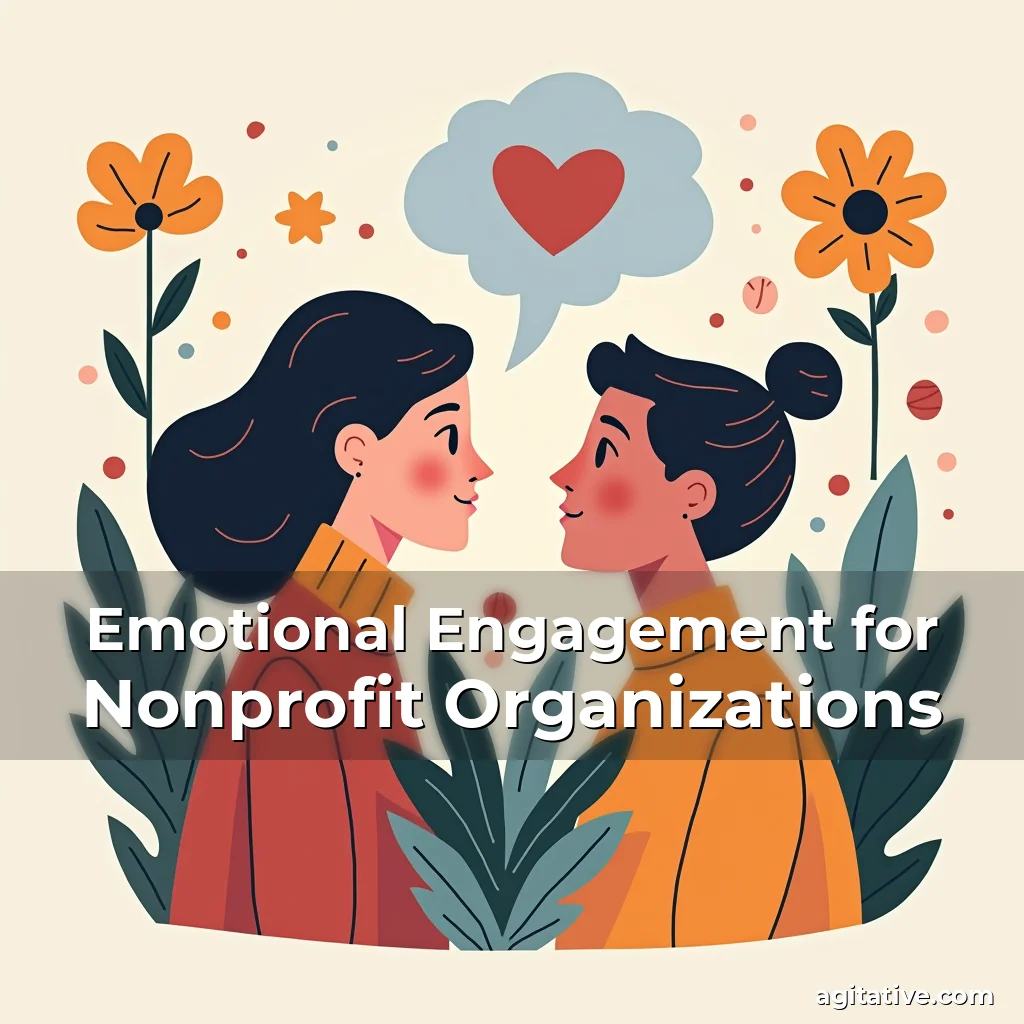
The Power of Emotional Engagement in Driving Social Change
In today’s fast-paced digital world, emotional engagement remains one of the most potent tools for mobilizing communities toward meaningful social change. Whether through grassroots movements, nonprofit advocacy, or global campaigns, harnessing human emotions can transform passive awareness into active participation. This article explores why emotional connection matters, how to cultivate it effectively, and what it takes to sustain momentum in the face of complex societal issues.
Activists and organizations often struggle to cut through the noise of competing causes and media saturation. Emotional engagement offers a way to connect deeply with audiences, making abstract problems feel immediate and urgent. By tapping into shared values, fears, hopes, and stories, advocates can inspire individuals to act—not just out of obligation, but because they care.
What Is Emotional Engagement—and Why Does It Matter?
Emotional engagement refers to the psychological process by which people form deep connections with ideas, causes, or initiatives through feelings rather than logic alone. Unlike intellectual persuasion, which relies on facts and data, emotional engagement taps into core human experiences like hope, fear, joy, anger, and solidarity. These emotions drive motivation, memory, and behavior, making them central to any campaign aiming for lasting impact.
Research shows that emotionally resonant messages are up to three times more likely to lead to charitable giving or volunteerism compared to purely factual appeals. When people feel personally connected to a cause, they’re more likely to share it, donate resources, or even risk their safety to support it. This makes emotional engagement not only powerful but also essential for nonprofits and activists operating in polarized or apathetic environments.
- Empathy as a Catalyst: Emotionally engaging content often hinges on fostering empathy—the ability to understand another person’s perspective. Campaigns that highlight individual struggles, such as a refugee’s journey or a child’s access to education, make systemic issues relatable and urgent.
- Motivation Through Shared Values: People respond strongly to messages aligned with their core beliefs. A climate change initiative framed around protecting future generations may resonate differently with parents than one focused solely on scientific data.
- Memory and Retention: Emotions enhance recall. Stories, visuals, and music tied to a cause
This approach leverages narrative psychology, which suggests that humans naturally prefer stories over static information. Narratives
Modern technology offers unprecedented opportunities to amplify emotional engagement. Social media platforms allow campaigns to reach millions instantly, while virtual reality (VR) immersions can place users inside the lived realities of marginalized communities. These innovations enable audiences to experience issues firsthand, creating visceral reactions that traditional media cannot replicate.
Data analytics further refine emotional engagement strategies by identifying which types of content resonate most with specific demographics. For example, younger audiences may engage more with animated videos or interactive quizzes, while older adults might respond better to heartfelt letters or documentary-style films.
Recommended Reading: Documenting Thought-Provoking Discussion InsightsEthical Considerations in Tech-Driven Campaigns
As with any tool, technology carries ethical responsibilities. Using VR to depict trauma requires sensitivity to avoid retraumatization. Similarly, algorithms that prioritize sensational content risk normalizing outrage over constructive dialogue. Ethical use involves transparency, consent, and prioritizing well-being alongside virality.
Organizations must also consider accessibility—ensuring that digital campaigns do not exclude those without reliable internet or tech literacy. Bridging the digital divide itself becomes a prerequisite for equitable emotional engagement.
Building Trust: The Role of Authentic Leadership in Emotional Campaigns
No amount of strategic messaging can compensate for a lack of credibility. Leaders who demonstrate genuine passion, humility, and consistency build trust far more effectively than those relying on performative gestures. Vulnerability, admitting mistakes, and showing growth are critical components of authentic leadership in emotionally driven work.
Audiences are increasingly skeptical of polished corporate messaging. They crave rawness, honesty, and alignment with their own moral compasses. A leader who shares their own struggles—whether financial, health-related, or ideological—can forge deeper connections with followers.
Case Study: The Impact of Transparent Leadership
Greta Thunberg, the youth climate activist, gained widespread support partly because she presented herself as an ordinary teenager rather than a polished politician. Her candid speeches, visible anxiety, and refusal to sanitize her message made her a symbol of youthful defiance and sincerity.
In contrast, leaders who appear detached or inconsistent may lose public trust despite having strong messages. For example, a campaign advocating for racial justice loses credibility if the organization’s board members hold overtly racist views, regardless of the campaign’s quality.
Cultivating Long-Term Engagement: Beyond One-Time Actions
Many campaigns succeed in generating initial interest but fail to convert that energy into sustained commitment. Emotional engagement thrives when it evolves beyond fleeting moments of inspiration. This requires ongoing communication, evolving goals, and recognizing the complexity of social issues.
You Might Also Enjoy: History of Agitational Media in MovementsLong-term engagement depends on creating a sense of belonging. Members must feel that their contributions matter and that they are part of a larger ecosystem working toward change. Regular updates, invitations to contribute creatively, and recognition of milestones help reinforce this feeling.
Designing Sustained Participation Models
One model involves tiered engagement systems, where supporters progress through stages—from casual awareness to active volunteering or fundraising. Each level offers new ways to participate, keeping individuals invested over time.
Another approach uses gamification elements, such as badges, leaderboards, or rewards, to incentivize continued involvement. However, these mechanisms must align with the campaign’s mission rather than appearing transactional.
Measuring Impact: Quantifying the Effects of Emotional Engagement
While emotional engagement is inherently subjective, its effects can be measured through qualitative and quantitative indicators. Surveys assessing shifts in attitudes, increased participation rates, or improved donor retention provide tangible evidence of success.
Tools like sentiment analysis software analyze social media posts to gauge public mood trends related to a cause. Tracking website traffic spikes after emotional campaigns also indicates growing online presence and potential for offline actions.
Examples of Measurable Outcomes
A recent study on animal rights campaigns showed that emotionally resonant ads led to a 40% increase in petition signatories compared to fact-based versions. Similarly, environmental groups reporting higher engagement saw greater local government responsiveness to their proposals.
However, metrics should never overshadow the human element. Numbers tell us *what* worked, but not always *why*. Combining data with direct feedback from supporters provides a holistic view of emotional engagement’s impact.
Conclusion
Emotional engagement is not merely a tactic—it is the heartbeat of effective social change. From inspiring action to fostering unity, it transforms distant issues into personal battles worth fighting. As demonstrated across history, the power of human connection lies in its ability to turn isolation into solidarity and apathy into action.
To harness this power, activists and organizations must commit to authenticity, inclusivity, and ethical practice. By centering stories, nurturing trust, and embracing innovation responsibly, they can ignite enduring movements capable of reshaping the world. The next step? Start listening—to your audience, your purpose, and the quiet voices waiting to be heard.


news is a contributor at Agitative. We are committed to providing well-researched, accurate, and valuable content to our readers.
You May Also Like


Provocative Ideas in Scientific Research
The Spark That Ignites Change: Provocative Ideas in Social Movements In an era defined by rapid technological advancement and global...
Social Movements and Social Media Impact
The Digital Pulse of Revolution: How Social Movements Are Reshaping Society Through Activism In an era where smartphones are as...

Environmental Activism Trends Worldwide
The Rising Wave of Digital Activism in the Modern Age In an era defined by rapid technological advancement, activism is...

Provocative Ideas in Modern Philosophy
The Radical Rethinking of Power: Provocative Ideas That Challenge the Status Quo In an era defined by rapid technological advancement,...