


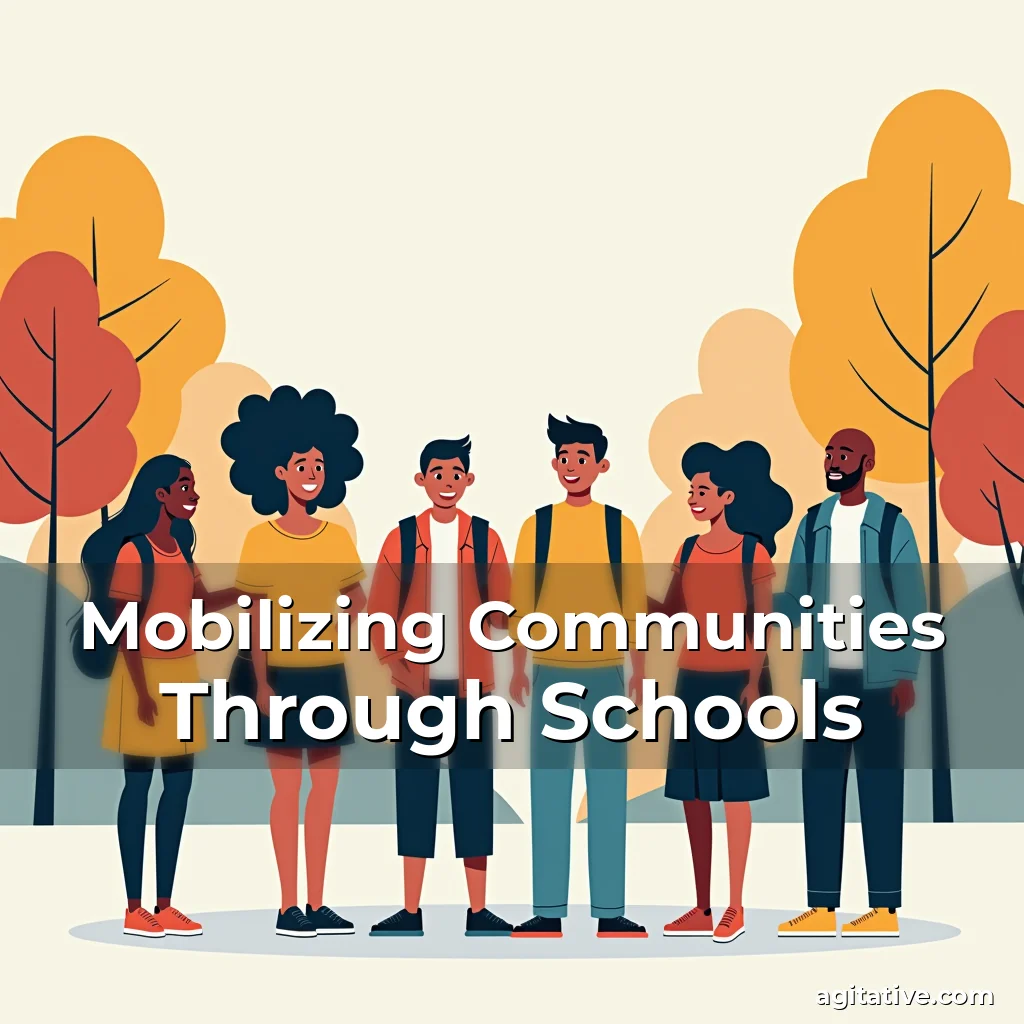
Mobilizing Communities Through Education
In an era defined by rapid societal transformation, mobilizing communities has become essential for driving meaningful change. Whether through grassroots movements or systemic advocacy, community engagement remains the cornerstone of progress.
The power of collective action is undeniable; when individuals unite around shared values and goals, they can effect profound shifts in policy, culture, and society at large.
The Role of Community Leaders in Mobilization
Community leaders play a pivotal role in uniting people toward common objectives. Their influence stems from trust, experience, and deep-rooted connections within local networks.
Effective leaders identify emerging issues that resonate with their constituents while fostering inclusive dialogue that empowers diverse voices.
- Building Trust: Establish credibility through transparency and consistent actions aligned with communal interests.
- Fostering Inclusivity: Ensure marginalized groups are represented in decision-making processes to create equitable solutions.
- Strategic Planning: Develop clear goals and timelines to maintain momentum and measure success effectively.
Cultivating Collective Action Through Shared Values
Shared values form the foundation upon which successful community mobilizations are built. These principles guide initiatives and reinforce commitment among participants.
Identifying core values such as justice, equity, sustainability, or health enables cohesive efforts aimed at addressing complex challenges facing communities today.
Examples of Value-Based Initiatives
Many cities have implemented neighborhood clean-up campaigns rooted in environmental stewardship. Such projects not only beautify spaces but also promote eco-conscious behaviors across generations.
Health-focused coalitions often emerge during public health crises, bringing together medical professionals, educators, and residents to combat misinformation and provide accurate resources.
Leveraging Technology for Modern Mobilization
Digital platforms offer unprecedented opportunities for organizing events, sharing information, and maintaining communication channels between activists and supporters.
Social media tools allow real-time updates on protests, fundraisers, or educational workshops—helping sustain interest even after initial excitement fades.
- Virtual Town Halls: Facilitate open discussions using video conferencing apps to engage broader audiences regardless of location constraints.
- Data Analytics Tools: Utilize data collection methods to assess campaign effectiveness and tailor strategies accordingly.
- Mobile Applications: Create custom apps that streamline volunteer sign-ups, event scheduling, or resource distribution logistics efficiently.
Educational Institutions As Catalysts For Change
Schools serve as vital hubs where future changemakers learn critical skills related to civic responsibility, leadership development, and ethical reasoning.
By integrating service-learning programs into curricula, students gain hands-on experiences applying knowledge towards tangible outcomes benefiting their communities.
- Service-Learning Programs: Combine academic instruction with practical application through community-based projects promoting social awareness.
- Leadership Workshops: Equip young minds with negotiation techniques, conflict resolution strategies, and project management fundamentals.
- Guest Speakers & Field Trips: Expose learners to real-world scenarios involving political activism, human rights advocacy, or climate action efforts globally.
Engaging Youth In Social Movements
Youth represent both potential and promise in shaping tomorrow’s societies—they bring fresh perspectives along with technological fluency crucial for modern activism.
Creating youth-led councils or mentorship programs helps bridge generational gaps while nurturing confidence among younger members ready to take initiative.
- Student Councils: Encourage active participation in school governance structures focusing on peer-to-peer education topics relevant to teens’ daily lives.
- Internship Opportunities: Provide internships with non-profits working on issues ranging from gender equality to digital privacy concerns affecting adolescents heavily online nowadays.
- Peer Educators: Train high schoolers to deliver age-appropriate lessons covering mental wellness, financial literacy, or sexual health education peers might otherwise lack access too.
Bridging Cultural Divides To Strengthen Unity
Cultural diversity enriches communities yet poses challenges requiring intentional effort to foster mutual respect and understanding among various ethnicities, faiths, languages spoken etcetera present locally.
Promoting intercultural dialogues via structured forums allows individuals from differing backgrounds to share stories openly thus dismantling stereotypes gradually over time rather than abruptly.
- Cross-Cultural Events: Organize festivals celebrating traditions, cuisines, music styles unique to each group living side-by-side harmoniously despite differences initially perceived as obstacles.
- Language Exchange Programs: Implement language learning circles enabling native speakers teach others how communicate respectfully across barriers formed due miscommunication sometimes leading tensions.
- Religious Harmony Projects: Sponsor interfaith gatherings discussing common ground themes like compassion, forgiveness helping reconcile misunderstandings arising from doctrinal disagreements occasionally causing friction.
Measuring Impact And Ensuring Sustainability Of Efforts
To ensure long-term impact, continuous evaluation mechanisms need embedding right from inception stage so adjustments can be made promptly based on feedback received regularly from stakeholders involved throughout process.
Using surveys, interviews, or focus groups provides qualitative insights alongside quantitative metrics gathered through tracking attendance numbers or funds raised figures indicating overall reach achieved successfully.
- KPI Tracking Systems: Set measurable targets linked directly back original mission statements ensuring alignment between activities undertaken versus intended outcomes pursued consistently.
- Feedback Loops: Design systems allowing easy submission suggestions complaints praise anonymously encouraging honest assessments improving quality offerings continually.
- Longitudinal Studies: Conduct follow-up research years later examining whether changes initiated still visible showing lasting effects beyond temporary enthusiasm phases typically seen early stages campaigns.
Conclusion
Mobilizing communities requires strategic approaches combining traditional wisdom with innovative technologies adapted appropriately contextually wherever deployed.
By prioritizing inclusiveness, leveraging available resources wisely including those provided freely by educational institutions willing support causes aligning closely missions taught inside classrooms everyday life outside them too matters deeply.


news is a contributor at Agitative. We are committed to providing well-researched, accurate, and valuable content to our readers.
You May Also Like


Communicating Provocative Ideas Effectively
Communicating Provocative Ideas Effectively In an era defined by rapid information exchange and ideological polarization, provocative ideas have become both...
Emotional Engagement for Nonprofit Organizations
The Power of Emotional Engagement in Driving Social Change In today’s fast-paced digital world, emotional engagement remains one of the...

Authentic Emotional Engagement Strategies
Authentic Emotional Engagement Strategies In an era where information overload drowns out meaningful connection, emotional engagement has become a vital...

Local vs Global Activism Trends
The Rise of Localized Resistance in a Hyperconnected World In an era where global crises—from climate collapse to systemic inequality—demand...