


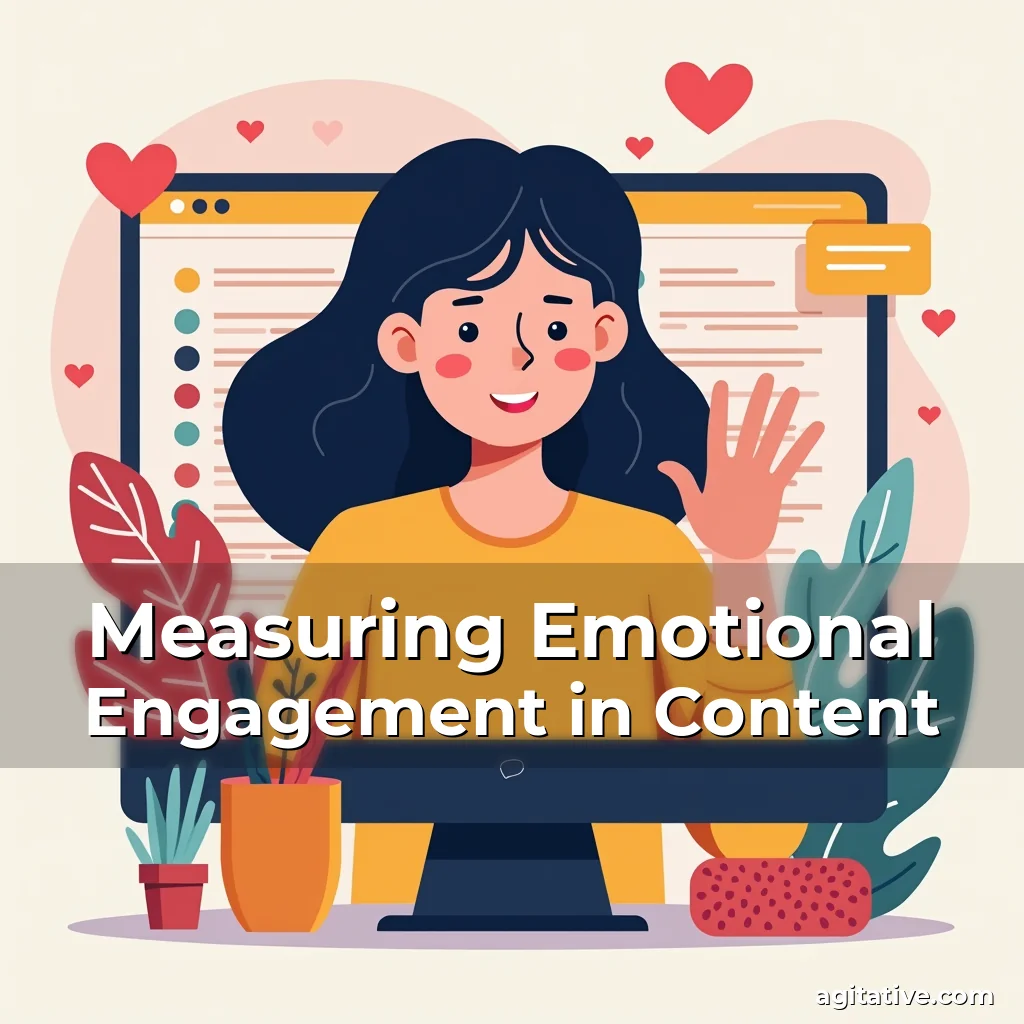
The Power of Emotion in Driving Social Change: Strategies for Activists
In today’s fast-paced world, emotional engagement is the heartbeat of successful activism. Whether rallying support for climate action or advocating for racial equity, the ability to connect deeply with others’ feelings determines the power of a movement. This article explores how emotional intelligence, strategic communication, and intentional storytelling become vital tools for change-makers.
Activists often rely on facts, policies, and data—but without emotional resonance, even the most compelling arguments may fall flat. Understanding and leveraging emotional engagement allows advocates to transform apathy into action, forging connections that transcend logic alone.
What Is Emotional Engagement—and Why Does It Matter?
Emotional engagement refers to the depth of connection individuals form with a cause, idea, or person based on shared values, experiences, or empathy. For activists, this isn’t merely about sparking interest—it’s about igniting passion, purpose, and commitment.
When people feel emotionally invested in a campaign, they’re more likely to donate, volunteer, share messages, or even confront systemic barriers. Emotions act as the bridge between awareness and action, making abstract issues tangible and urgent.
Why is this critical for social movements? Consider the global response to #BlackLivesMatter. Its success wasn’t just due to policy demands but because it amplified raw human pain, injustice, and hope, resonating globally. Similarly, climate strikes thrive on urgency, fear, and love for future generations.
- Storytelling: Sharing individual journeys humanizes broad issues, making them relatable and memorable.
- Vulnerability: Admitting uncertainty or pain builds trust, inviting others to join the fight authentically.
- Celebration of progress: Acknowledging small wins sustains motivation amid long-term struggles.
These elements aren’t optional—they’re foundational. Without them, campaigns risk becoming faceless calls to action, disconnected from the lived realities of those affected.
The Science Behind Emotional Resonance
Neuroscience reveals that emotional stimuli activate brain regions linked to memory and decision-making far more intensely than factual information alone. When someone hears a story about a child displaced by war, their amygdala lights up—a region responsible for processing fear and compassion.
This biological reaction explains why campaigns using visceral imagery or heartfelt testimonials outperform dry infographics. Emotions don’t just inform—they compel, override skepticism, and inspire behavior change.
A Harvard study found that emotionally charged messages were remembered 68% longer than neutral ones, underscoring the power of narrative in shaping public opinion. Yet, this tool must be wielded carefully; manipulative tactics erode credibility quickly.
To avoid exploitation, activists should prioritize honesty, transparency, and respect for participants’ dignity. A grieving parent sharing her son’s story after police brutality carries weight only if she speaks freely—not if coaxed by organizers seeking clicks or donations.
Crafting Messages That Stir Hearts, Not Just Minds
Words matter—but so do silences. Effective messaging balances clarity with nuance, avoiding jargon while leaving room for interpretation. For instance, “End poverty” feels distant compared to “Ensure every family can afford nutritious food.”
Tone plays a pivotal role too. Passionate advocacy requires confidence without arrogance. Tone-deafness, however, can alienate audiences. Imagine framing environmental racism as a “luxury problem”—such language dismisses the harsh reality faced by marginalized communities daily.
Finding the right voice: Younger audiences respond well to direct, conversational styles. Older demographics may prefer authoritative, evidence-backed appeals. But both groups crave authenticity above all else.
- Use metaphors wisely: Comparing systemic oppression to a storm helps visualize its chaos, but avoid clichés that trivialize suffering.
- Leverage humor cautiously: Light-hearted moments can ease tension, but never at the expense of seriousness or dignity.
- Invite dialogue: Ask questions (“How will you stand against inequality?”) rather than issuing commands.
Ultimately, the goal isn’t to manipulate but to empower—to help others see themselves in the struggle and recognize their capacity for change.
Beyond Words: Body Language, Music, and Rituals
Nonverbal cues amplify verbal messages exponentially. A protestor raising a fist symbolizes defiance; a tearful speech signals sincerity. These physical expressions convey emotions faster and deeper than text ever could.
Musical choices in rallies or marches serve similar purposes. Uplifting anthems foster unity; somber tones acknowledge grief. During the Women’s March, songs like “This Land Is Your Land” became anthems of collective strength, echoing decades of feminist history.
Rituals—from lighting candles to holding hands in solidarity—are time-honored ways to cultivate communal bonds. Such acts
Solutions: Encourage self-care practices like meditation, peer support circles, and creative outlets. Simultaneously, pair emotional appeals with educational resources—webinars, research summaries, or expert panels—that deepen comprehension of issues at hand.
Furthermore, diversify leadership roles. Allowing younger members or historically silenced groups to lead initiatives fosters inclusivity and prevents emotional labor from falling disproportionately onto a few shoulders.
Building Bridges Through Shared Humanity
One of the greatest gifts of emotional engagement is its ability to dissolve divides. When opposing sides find common ground through mutual care—for children, elders, animals, or the planet—they discover unexpected alliances.
Consider grassroots efforts uniting religious leaders across faiths to combat homelessness. By focusing on shared values like kindness and fairness, they transformed sterile debates into collaborative action plans benefiting thousands.
A Stanford University survey revealed that cross-cultural collaborations succeed 30% more frequently when rooted in emotional understanding. This suggests that empathy doesn’t weaken positions; it strengthens them by finding universal threads connecting disparate perspectives.
Such bridges aren’t built overnight. They demand patience, listening skills, and courage—the kind that lets us admit we don’t have all answers but believe together we can seek better ones.
Harnessing Technology Thoughtfully
Digital platforms offer unprecedented opportunities to engage hearts worldwide. Hashtags trend globally, viral videos spark outrage, and online petitions gather millions instantly. However, algorithms favor sensationalism, risking the distortion of nuanced messages into clickbait.
Smart usage involves blending digital outreach with offline presence. Live-streamed protests allow remote supporters to participate meaningfully, while virtual town halls enable marginalized voices to contribute safely. Still, screen time shouldn’t replace face-to-face interactions entirely.
Ethical tech use: Prioritize privacy protections, especially when involving vulnerable populations. Avoid exploiting trauma for views or shares. Instead, leverage social media to spread joyous updates, milestones achieved, or simple gratitude notes from impacted individuals.
Platforms like TikTok prove that creativity thrives alongside activism. Short-form videos showcasing grassroots achievements or behind-the-scenes organizing efforts humanize movements, making them accessible to new audiences everywhere.
The Role of Community in Sustaining Passion
No single activist achieves monumental change alone. Communities provide the foundation upon which sustained emotional energy rests. Regular meetups, mentorship programs, and cultural celebrations reinforce camaraderie essential for longevity in advocacy work.
Local festivals celebrating diversity, art exhibitions depicting historical injustices, or cooking classes featuring cuisine from oppressed cultures—all become touchpoints reminding participants why they began this journey.
Research indicates that volunteers retain 70% higher satisfaction levels in groups offering recognition and appreciation, emphasizing the need for ongoing acknowledgment of contributions. Small gestures—a thank-you card, personalized shoutouts in newsletters—go further than grand speeches ever could.
Moreover, rotating leadership responsibilities prevents stagnation and empowers fresh ideas. Fresh faces bring renewed vigor, ensuring movements remain dynamic and relevant amidst evolving societal landscapes.
Measuring Impact Beyond Numbers
While metrics like attendance figures or donation totals are useful, they tell only part of the story. True emotional engagement manifests in intangible shifts—increased empathy, behavioral changes, or newfound determination among participants.
Possible indicators:
– More people volunteering locally or joining national campaigns
– Increased willingness to challenge discriminatory remarks
– Greater openness to learning about previously ignored histories
To track these qualitative outcomes, consider conducting regular pulse checks via anonymous surveys asking open-ended questions like, “What changed since participating?” Or observe whether conversations around sensitive topics become more constructive over time.
Some organizations employ mood boards—collections of quotes, photos, and artworks created by members—that visually represent group sentiment shifts. Such visual records capture evolution in ways graphs simply cannot.
Cultivating Long-Term Relationships With Supporters
Consistency breeds loyalty. Maintaining regular contact through newsletters, podcasts, or monthly webinars keeps supporters informed and inspired. Personalized updates detailing project milestones or upcoming events nurture accountability and excitement alike.
Transparency regarding successes and setbacks fosters trust. Share both triumphs and hard lessons learned along the way. Honesty about obstacles makes victories sweeter and reinforces commitment to truth-telling.
Studies show that organizations communicating regularly enjoy 50% greater donor retention rates, illustrating the value of consistent relational maintenance. Even brief check-ins—“We miss you! How can we reconnect?”—can reignite dormant connections.
Create space for supporters to express themselves creatively. Art contests themed around current issues invite diverse interpretations, allowing everyone—from painters to poets—to contribute uniquely.
Conclusion
Emotional engagement lies at the core of transformative social change. It turns passive observers into active agents of justice, weaving empathy into the fabric of every strategy, message, and relationship.
By embracing vulnerability, honoring science, nurturing communities, and using technology thoughtfully, activists can build movements grounded in both heart and mind. Remember: true change begins not with perfect plans but with genuine connections—one shared feeling, one courageous conversation, one hopeful step forward at a time.


news is a contributor at Agitative. We are committed to providing well-researched, accurate, and valuable content to our readers.
You May Also Like

Sustaining Momentum in Movement Building
Sustaining Momentum in Movement Building Movement building is not merely an act of protest; it's a strategic process of cultivating...
Understanding Emotional Triggers in Marketing
The Power Unleashed: Mastering Emotional Triggers to Drive Social Change In an era defined by rapid information exchange and polarized...
Historical Agitation Techniques That Worked
The Art of Stirring Change: Effective Agitation Strategies in Social Movements In an era defined by rapid information exchange and...

Stirring Debates Through Provocative Questions
Stirring Debates Through Provocative Questions The power of provocative questions lies in their ability to disrupt complacency and ignite critical...