


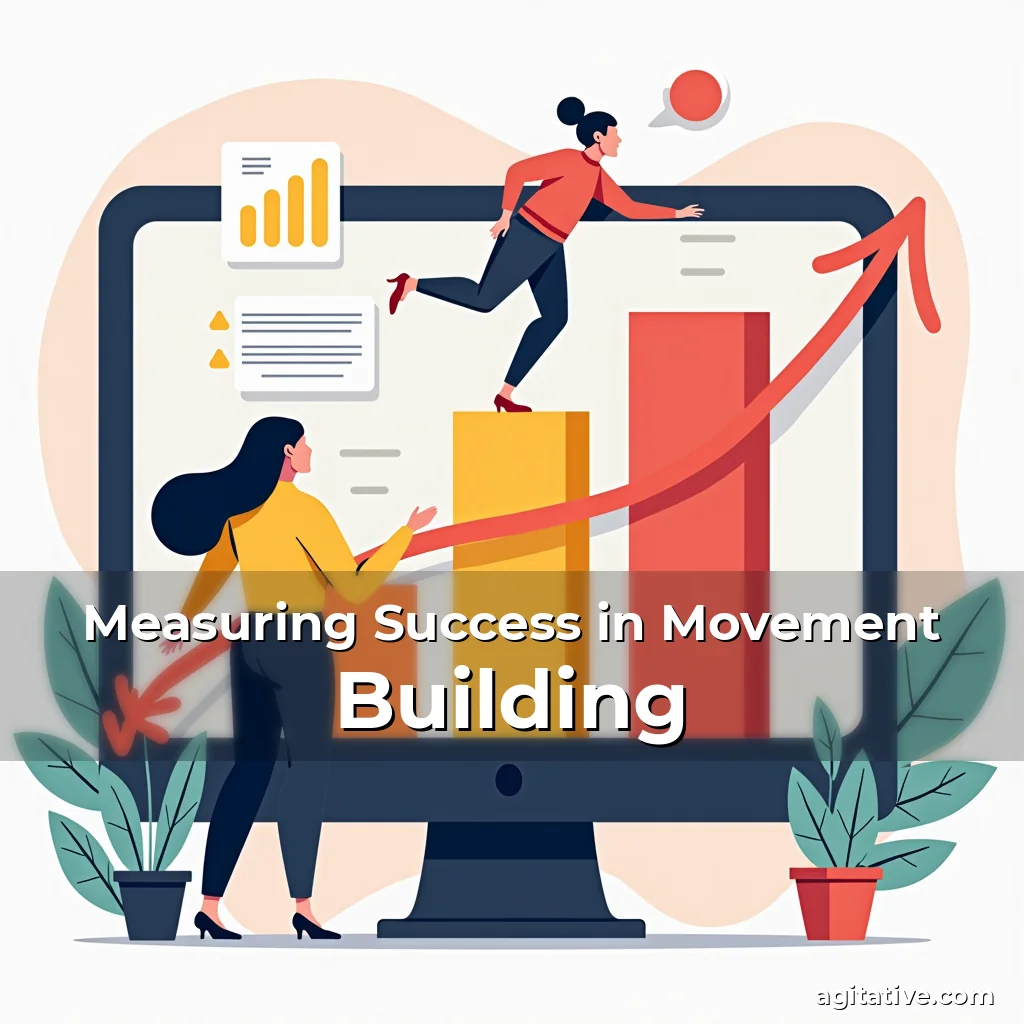
Measuring Success in Movement Building
Movement building is not simply about organizing protests or raising awareness—it’s an intricate process that demands strategic vision, sustained engagement, and measurable impact. For activists and organizers striving for systemic change, understanding what constitutes success in movement-building efforts can be as crucial as the actions themselves.
In today’s landscape of rapid information exchange and shifting political climates, movements need clear indicators to gauge their effectiveness. This guide explores how to measure progress, identify meaningful outcomes, and adapt strategies based on real-world data without losing sight of long-term goals.
The Foundations of Measurable Movement Building
A successful movement begins with a clearly defined purpose. Without clarity around objectives, any measurement becomes arbitrary at best and misleading at worst. Movements must articulate core values, mission statements, and concrete goals that align with broader societal needs.
Clarity also extends to target audiences and geographic scope. A grassroots campaign focused on local housing rights will have different metrics than a national climate justice initiative. Understanding these nuances helps shape effective evaluation frameworks tailored to each context.
Establishing benchmarks: Setting baseline measurements before launching initiatives allows organizations to track growth over time. These could include voter registration numbers, community participation rates, or policy changes enacted within specific jurisdictions.
Defining key performance indicators (KPIs): KPIs serve as quantifiable markers that indicate whether a movement is progressing toward its intended outcomes. They might range from media coverage frequency to legislative bill sponsorship counts.
- Engagement levels: Tracking how many people attend events, participate in online campaigns, or volunteer shows commitment beyond passive support.
- Social media influence: While likes and shares are often superficial, they can still provide insight into public sentiment when analyzed alongside deeper engagement such as comments and shares among influential users.
Quantifying Impact Through Data Collection
Data collection forms the backbone of any rigorous assessment strategy. Whether through surveys, interviews, or digital analytics tools, gathering qualitative and quantitative feedback ensures movements remain responsive to evolving challenges and opportunities.
Creative use of technology enables real-time tracking of event attendance, donation patterns, and even sentiment analysis across various platforms where conversations about the cause occur organically.
Tools for Effective Data Gathering
Digital platforms offer powerful solutions for capturing participant experiences and preferences. Tools like Google Forms or SurveyMonkey facilitate structured survey responses while services such as Hootsuite help monitor brand mentions related to the movement’s themes.
For those preferring face-to-face interactions, mobile applications designed specifically for field research allow volunteers to record observations instantly during outreach activities—ensuring consistency and reducing manual entry errors later on.
Evaluating Long-Term Sustainability
Sustainability goes hand-in-hand with measuring success; after all, transient victories mean little unless they lead to lasting transformation. Evaluations should consider both immediate effects and future implications whenever assessing progress made by activist groups.
Organizations aiming for enduring impact must prioritize capacity development among members so that leadership roles rotate regularly rather than becoming fixed positions held indefinitely by few individuals.
Fostering internal growth: Training programs focusing on communication skills, conflict resolution techniques, and digital literacy ensure participants feel equipped to contribute meaningfully regardless of tenure within the group.
Encouraging cross-movement collaboration: When movements partner strategically with other causes sharing similar values but distinct focuses—like environmental protection working alongside racial equity advocates—they create ecosystems capable of influencing wider policy discussions effectively.
Adapting Strategies Based on Feedback Loops
No plan survives first contact with reality unscathed. Regularly reviewing collected data enables movements to pivot quickly when initial tactics prove ineffective or outdated against current conditions faced by communities affected by their work.
Feedback mechanisms built into every stage—from recruitment drives to post-event evaluations—help uncover areas needing improvement while highlighting what resonates most strongly with supporters.
Creating iterative processes: Implementing regular check-ins between organizers and frontline workers provides fresh perspectives that may otherwise go unnoticed due to hierarchical structures limiting open dialogue channels upwards.
Leveraging peer review systems: Allowing experienced activists outside direct involvement in particular projects assess proposed plans offers unbiased critiques which enhance overall quality prior to full implementation phases.
Navigating Challenges in Measurement
Despite best intentions, measuring movement success presents inherent difficulties ranging from inconsistent reporting standards across regions to potential biases influencing self-reported results.
To mitigate these issues requires establishing uniform protocols governing how information gets recorded, processed, and interpreted consistently wherever applicable—even across international borders dealing with culturally diverse populations impacted differently depending upon location specifics.
Addressing disparities in access: Not everyone has equal ability to engage digitally or physically with movement-related activities because socioeconomic status affects things like internet connectivity availability and mobility options available particularly concerning marginalized groups.
Promoting inclusivity in assessments: Ensuring diverse voices get represented accurately means actively seeking input from underrepresented segments whose lived realities differ significantly compared against mainstream narratives typically dominating discourse spaces associated with advocacy sectors broadly speaking.
Beyond Numbers: Qualitative Measures Matter Too
While numerical targets provide structure, qualitative elements add depth necessary for fully grasping true nature of collective action taking place behind scenes daily amidst ongoing struggles being fought continuously worldwide.
Stories shared anonymously via testimonial recordings or written accounts detailing personal journeys towards greater empowerment illustrate human side often overlooked when fixated solely upon cold statistical figures presented objectively devoid emotional resonance intrinsic within actual lived experience itself.
Highlighting individual transformations: Documenting stories showing how specific interventions positively changed lives reinforces importance placed upon tangible improvements achieved through dedicated efforts invested into supporting vulnerable populations facing adversity continually.
Recognizing cultural significance: Appreciating traditions upheld by indigenous peoples living within territories targeted historically by colonial forces demonstrates respect required when attempting meaningful reconciliation efforts aimed restoring dignity stripped away generations ago due oppressive policies implemented then.
Case Studies in Successful Measurement Practices
Examining real-life examples provides practical insights regarding optimal approaches used successfully elsewhere proving applicability globally despite regional differences affecting feasibility locally.
The Black Lives Matter movement exemplifies integration of multi-pronged evaluation methods including community assemblies gauging public opinion shifts following major demonstrations plus academic studies analyzing legal reform impacts resulting directly from increased pressure applied consistently overtime leading finally culminating landmark decisions favoring victims formerly silenced systematically previously.
Lessons learned from BLM: Their emphasis on decentralized yet coordinated operations allowed flexibility adapting rapidly according to local contexts ensuring relevance maintained irrespective geographical spread spanning continents wide apart geographically though united ideologically centered around common goal seeking end racism rooted deeply embedded societal fabric everywhere.
Applying BLM principles elsewhere: Activists involved in disability rights campaigns adopted similar models prioritizing accessibility considerations right from inception stages guaranteeing inclusion wasn’t treated merely ancillary feature tacked onto existing framework but integral component shaping identities formed collectively among stakeholders engaged proactively throughout entire lifecycle project management cycle.
Conclusion
Measuring success in movement building involves balancing quantitative achievements with qualitative understandings. It necessitates acknowledging that while numbers tell part story, they don’t capture whole picture comprising complex interplay factors contributing ultimately towards achieving desired change envisioned initially at outset journey embarked upon.
By embracing continuous learning mindset grounded firmly in evidence-based practices combined willingness listen attentively others—including those least heard traditionally—activist collectives empower themselves better navigate turbulent waters ahead confidently knowing solid foundation laid beneath feet now shall carry them forward securely whichever path chosen next step taken together unitedly towards brighter tomorrow awaited eagerly by countless waiting patiently transform world we share mutually benefitting everyone equally fairly justly.
“`
“`html
Measuring Success in Movement Building
Movement building is not simply about organizing protests or raising awareness—it’s an intricate process that demands strategic vision, sustained engagement, and measurable impact. For activists and organizers striving for systemic change, understanding what constitutes success in movement-building efforts can be as crucial as the actions themselves.
In today’s landscape of rapid information exchange and shifting political climates, movements need clear indicators to gauge their effectiveness. This guide explores how to measure progress, identify meaningful outcomes, and adapt strategies based on real-world data without losing sight of long-term goals.
The Foundations of Measurable Movement Building
A successful movement begins with a clearly defined purpose. Without clarity around objectives, any measurement becomes arbitrary at best and misleading at worst. Movements must articulate core values, mission statements, and concrete goals that align with broader societal needs.
Clarity also extends to target audiences and geographic scope. A grassroots campaign focused on local housing rights will have different metrics than a national climate justice initiative. Understanding these nuances helps shape effective evaluation frameworks tailored to each context.
Establishing benchmarks: Setting baseline measurements before launching initiatives allows organizations to track growth over time. These could include voter registration numbers, community participation rates, or policy changes enacted within specific jurisdictions.
Defining key performance indicators (KPIs): KPIs serve as quantifiable markers that indicate whether a movement is progressing toward its intended outcomes. They might range from media coverage frequency to legislative bill sponsorship counts.
- Engagement levels: Tracking how many people attend events, participate in online campaigns, or volunteer shows commitment beyond passive support.
- Social media influence: While likes and shares are often superficial, they can still provide insight into public sentiment when analyzed alongside deeper engagement such as comments and shares among influential users.
Quantifying Impact Through Data Collection
Data collection forms the backbone of any rigorous assessment strategy. Whether through surveys, interviews, or digital analytics tools, gathering qualitative and quantitative feedback ensures movements remain responsive to evolving challenges and opportunities.
Creative use of technology enables real-time tracking of event attendance, donation patterns, and even sentiment analysis across various platforms where conversations about the cause occur organically.
Tools for Effective Data Gathering
Digital platforms offer powerful solutions for capturing participant experiences and preferences. Tools like Google Forms or SurveyMonkey facilitate structured survey responses while services such as Hootsuite help monitor brand mentions related to the movement’s themes.
For those preferring face-to-face interactions, mobile applications designed specifically for field research allow volunteers to record observations instantly during outreach activities—ensuring consistency and reducing manual entry errors later on.
Evaluating Long-Term Sustainability
Sustainability goes hand-in-hand with measuring success; after all, transient victories mean little unless they lead to lasting transformation. Evaluations should consider both immediate effects and future implications whenever assessing progress made by activist groups.
Organizations aiming for enduring impact must prioritize capacity development among members so that leadership roles rotate regularly rather than becoming fixed positions held indefinitely by few individuals.
Fostering internal growth: Training programs focusing on communication skills, conflict resolution techniques, and digital literacy ensure participants feel equipped to contribute meaningfully regardless of tenure within the group.
Encouraging cross-movement collaboration: When movements partner strategically with other causes sharing similar values but distinct focuses—like environmental protection working alongside racial equity advocates—they create ecosystems capable of influencing wider policy discussions effectively.
Adapting Strategies Based on Feedback Loops
No plan survives first contact with reality unscathed. Regularly reviewing collected data enables movements to pivot quickly when initial tactics prove ineffective or outdated against current conditions faced by communities affected by their work.
Feedback mechanisms built into every stage—from recruitment drives to post-event evaluations—help uncover areas needing improvement while highlighting what resonates most strongly with supporters.
Creating iterative processes: Implementing regular check-ins between organizers and frontline workers provides fresh perspectives that may otherwise go unnoticed due to hierarchical structures limiting open dialogue channels upwards.
Leveraging peer review systems: Allowing experienced activists outside direct involvement in particular projects assess proposed plans offers unbiased critiques which enhance overall quality prior to full implementation phases.
Navigating Challenges in Measurement
Despite best intentions, measuring movement success presents inherent difficulties ranging from inconsistent reporting standards across regions to potential biases influencing self-reported results.
To mitigate these issues requires establishing uniform protocols governing how information gets recorded, processed, and interpreted consistently wherever applicable—even across international borders dealing with culturally diverse populations impacted differently depending upon location specifics.
Addressing disparities in access: Not everyone has equal ability to engage digitally or physically with movement-related activities because socioeconomic status affects things like internet connectivity availability and mobility options available particularly concerning marginalized groups.
Promoting inclusivity in assessments: Ensuring diverse voices get represented accurately means actively seeking input from underrepresented segments whose lived realities differ significantly compared against mainstream narratives typically dominating discourse spaces associated with advocacy sectors broadly speaking.
Beyond Numbers: Qualitative Measures Matter Too
While numerical targets provide structure, qualitative elements add depth necessary for fully grasping true nature of collective action taking place behind scenes daily amidst ongoing struggles being fought continuously worldwide.
Stories shared anonymously via testimonial recordings or written accounts detailing personal journeys towards greater empowerment illustrate human side often overlooked when fixated solely upon cold statistical figures presented objectively devoid emotional resonance intrinsic within actual lived experience itself.
Highlighting individual transformations: Documenting stories showing how specific interventions positively changed lives reinforces importance placed upon tangible improvements achieved through dedicated efforts invested into supporting vulnerable populations facing adversity continually.
Recognizing cultural significance: Appreciating traditions upheld by indigenous peoples living within territories targeted historically by colonial forces demonstrates respect required when attempting meaningful reconciliation efforts aimed restoring dignity stripped away generations ago due oppressive policies implemented then.
Case Studies in Successful Measurement Practices
Examining real-life examples provides practical insights regarding optimal approaches used successfully elsewhere proving applicability globally despite regional differences affecting feasibility locally.
The Black Lives Matter movement exemplifies integration of multi-pronged evaluation methods including community assemblies gauging public opinion shifts following major demonstrations plus academic studies analyzing legal reform impacts resulting directly from increased pressure applied consistently overtime leading finally culminating landmark decisions favoring victims formerly silenced systematically previously.
Lessons learned from BLM: Their emphasis on decentralized yet coordinated operations allowed flexibility adapting rapidly according to local contexts ensuring relevance maintained irrespective geographical spread spanning continents wide apart geographically though united ideologically centered around common goal seeking end racism rooted deeply embedded societal fabric everywhere.
Applying BLM principles elsewhere: Activists involved in disability rights campaigns adopted similar models prioritizing accessibility considerations right from inception stages guaranteeing inclusion wasn’t treated merely ancillary feature tacked onto existing framework but integral component shaping identities formed collectively among stakeholders engaged proactively throughout entire lifecycle project management cycle.
Conclusion
Measuring success in movement building involves balancing quantitative achievements with qualitative understandings. It necessitates acknowledging that while numbers tell part story, they don’t capture whole picture comprising complex interplay factors contributing ultimately towards achieving desired change envisioned initially at outset journey embarked upon.
By embracing continuous learning mindset grounded firmly in evidence-based practices combined willingness listen attentively others—including those least heard traditionally—activist collectives empower themselves better navigate turbulent waters ahead confidently knowing solid foundation laid beneath feet now shall carry them forward securely whichever path chosen next step taken together unitedly towards brighter tomorrow awaited eagerly by countless waiting patiently transform world we share mutually benefitting everyone equally fairly justly.
“`


news is a contributor at Agitative. We are committed to providing well-researched, accurate, and valuable content to our readers.
You May Also Like

Inciting Change Through Storytelling
The Power of Narrative in Igniting Social Transformation In an era where information is abundant but attention spans are fleeting,...
Movement Building Communication Strategies
Movement Building Communication Strategies In an era defined by rapid information exchange and global connectivity, movement building has evolved beyond...
Inspiring Change: Overcoming Resistance
Inspiring Change: Overcoming Resistance The call for transformation echoes globally, driven by passionate voices demanding justice, equity, and sustainability. Yet,...


The Power of Collective Action: Mobilizing Communities for Social Change
The Power of Collective Action: Mobilizing Communities for Social Change In an era marked by pressing global challenges—from climate crises...