



Stirring Debates in Public Policy
In an era marked by rapid technological advancements and shifting societal norms, stirring debates have become essential tools for driving public policy reform. These discussions often emerge from grassroots movements, academic research, or high-profile advocacy campaigns that challenge established systems.
The power of such debates lies in their ability to mobilize communities, influence political agendas, and shape legislation that reflects evolving values. Whether addressing climate action, racial justice, or digital privacy rights, these conversations ignite transformative change through collective engagement.
The Nature of Stirring Debates
At its core, a stirring debate is characterized by passionate discourse around contentious issues. It brings together diverse perspectives, creating a platform where differing opinions can be expressed without fear of retribution.
This dynamic environment fosters critical thinking and encourages participants to question long-held beliefs. The presence of opposing viewpoints ensures that arguments are scrutinized rigorously before reaching any consensus.
Engagement: Active participation is key to sustaining meaningful dialogue. When individuals feel heard and valued, they contribute more thoughtfully to the conversation.
Diversity: A wide range of voices enriches the debate process. Different backgrounds bring varied experiences that inform nuanced understandings of complex problems.
- Mobility of Ideas: Open exchanges allow ideas to evolve organically as new information emerges during discussion.
- Critique Culture: Constructive criticism helps refine proposals while maintaining respect among debaters.
Historical Contexts of Influential Debates
Throughout history, pivotal moments have been shaped by intense public dialogues that challenged prevailing ideologies. From civil rights protests to environmental consciousness movements, each has left indelible marks on global policies.
Consider the landmark debates surrounding women’s suffrage; these were not merely about voting rights but also reflected broader struggles against gender inequality across various domains.
The Suffrage Movement
Data shows that prior to widespread suffrage efforts, less than ten percent of adult women had the right to vote globally. This stark disparity fueled fervent advocacy over several decades leading up to significant legislative changes.
By examining historical records, we see how sustained public pressure led governments to recognize female citizens’ rights. This shift wasn’t immediate but resulted from persistent civic engagement at local levels.
Modern Examples of Social Change Through Debate
Contemporary society continues witnessing powerful transformations driven by vigorous public discourse. Issues like LGBTQ+ rights and police accountability exemplify current hot topics that require inclusive deliberation.
For instance, ongoing dialogues regarding transgender youth access to healthcare highlight both medical ethics concerns and human dignity considerations. Such discussions necessitate careful balancing between competing interests.
Educational Institutions as Catalysts for Discussion
Schools and universities play crucial roles in nurturing informed citizenry capable of contributing effectively to national conversations. Curriculum design increasingly incorporates interdisciplinary approaches aimed at fostering analytical skills necessary for healthy debate environments.
Moreover, institutional support for student-led initiatives enhances learning outcomes significantly. Programs encouraging peer-to-peer teaching models promote collaborative problem-solving techniques vital for future leaders.
Case Study: A university program focused on urban development saw students collaborating with city planners to address housing shortages using data-driven solutions derived from community input sessions.
Media’s Role in Amplifying Voices
Traditional media outlets alongside emerging platforms now serve dual purposes—informing audiences while simultaneously shaping narratives around pressing matters under debate.
Social media particularly empowers marginalized groups whose stories might otherwise go unheard within conventional news cycles. Hashtag movements illustrate how online spaces facilitate real-time interaction amongst activists worldwide.
Strategic Communication: Effective messaging strategies help ensure accurate representation of cause-related messages amidst potential misinformation challenges faced today.
Challenges Faced During Intense Discourse Sessions
Despite numerous benefits associated with open forums promoting ideological exchange, certain obstacles hinder progress towards constructive resolutions. Polarization remains one major hurdle preventing mutual understanding between factions holding extreme views.
Bias embedded within communication channels further complicates achieving balanced representations of all sides involved in heated discussions. Addressing these disparities requires deliberate efforts toward impartiality in reporting practices.
Polarization Management: Implementing structured formats for debates may reduce hostility levels among participants engaged in sensitive subjects matter considerably.
Fact Checking Initiatives: Promoting evidence-based reasoning supports healthier interactions by minimizing reliance solely upon emotionally charged rhetoric when presenting positions publicly.
Towards Inclusive Dialogue Spaces
Creating safe yet challenging environments enables productive engagements even amid disagreement. Facilitators must prioritize empathy training alongside logical argumentation frameworks during session preparations.
Fostering inclusivity involves ensuring accessibility features meet needs of differently abled attendees along with providing language accommodations wherever applicable.
Community Building Activities: Pre-debate workshops focusing on active listening enhance overall effectiveness of subsequent formal proceedings substantially.
Cultural Sensitivity Workshops: Understanding cultural contexts prevents misunderstandings which could derail intended objectives related to policy formulation processes initiated post-discussion phases.
Measuring Impact Through Data Analytics
Quantifiable metrics offer insight into efficacy rates concerning various methodologies employed during public policy formation stages involving stakeholder consultations.
Analyzing survey responses pre-and-post-event provides measurable benchmarks indicating shifts in participant attitudes following exposure to alternative viewpoints presented systematically throughout events.
Surveys & Feedback Forms: Regular collection mechanisms enable continuous improvement plans tailored specifically according to identified gaps observed consistently across different demographic segments represented therein.
Social Listening Tools: Monitoring digital footprints allows organizations tracking trends relevant to thematic areas being explored actively via targeted hashtag monitoring activities conducted periodically thereafter.
Conclusion
Stirring debates remain indispensable instruments for navigating contemporary complexities facing modern societies striving toward equitable governance structures grounded firmly upon principles of fairness and transparency.
As citizens engage proactively in these dialogues, they empower themselves collectively against complacency perpetuated through passive acceptance rather than questioning status quo conditions detrimental to holistic well-being indicators measured globally annually now.


news is a contributor at Agitative. We are committed to providing well-researched, accurate, and valuable content to our readers.
You May Also Like


Raising Awareness for Mental Health Issues
Raising Awareness for Social Justice and Activism in Modern Society In an era marked by rapid technological advancement and shifting...


Stirring Debates: Expert Guide and Analysis
Okay, I need to write a 2000-word article titled “How Stirred Debates Fuel Social Change” focused on activists and those...
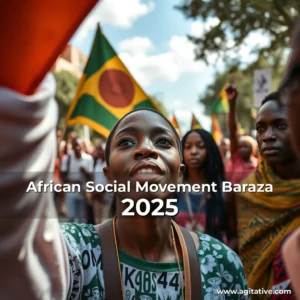
African Social Movement Baraza 2025
Unifying Voices and Perspectives for Transformative Change The 2025 edition of the African Social Movement Baraza is set to take...

Transform Customer Contact With Emotional Agility : Results
Navigating Complex Emotions with Ease and Flexibility. Understanding Emotional AgilityEmotional agility is the ability to navigate complex emotional situations with...