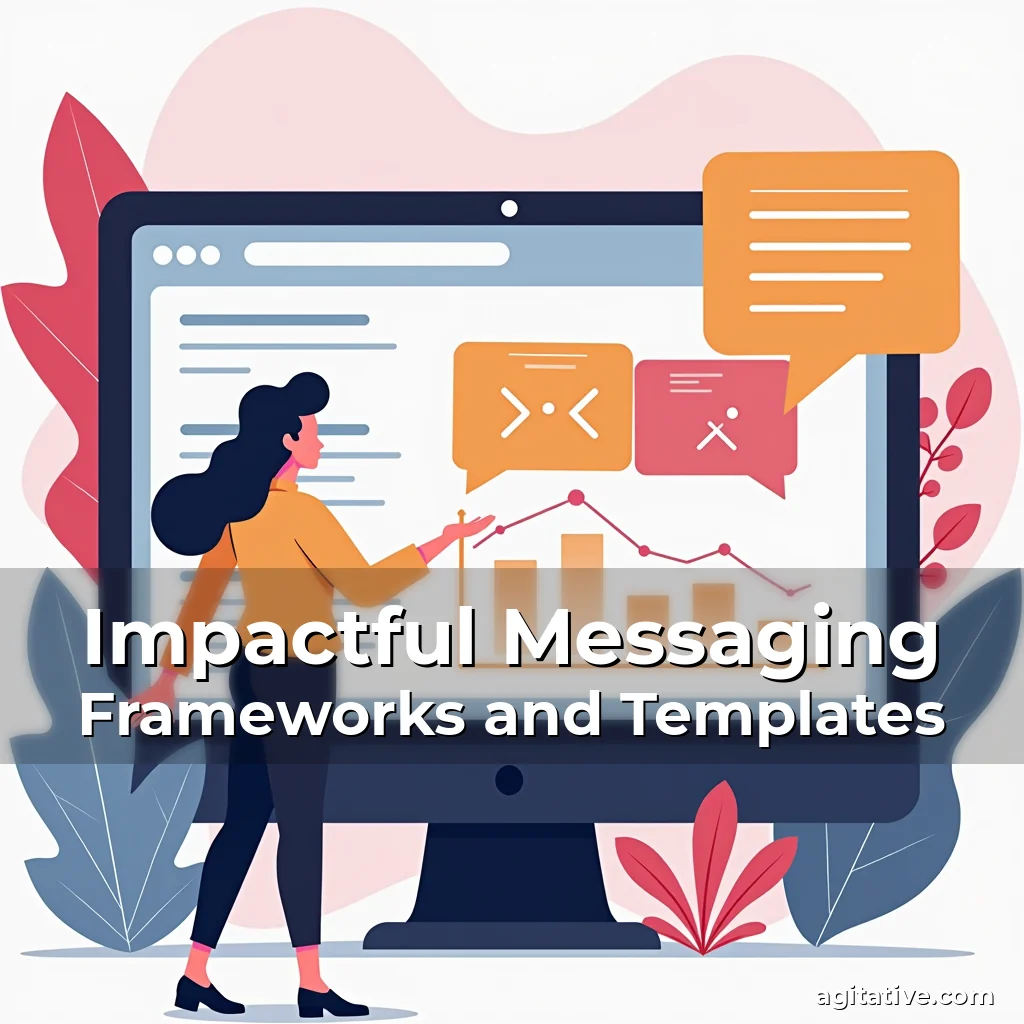
Impactful Messaging Frameworks and Templates
In an era defined by rapid information exchange and polarized discourse, crafting impactful messages has become essential for driving social change. Activists, advocates, and community leaders rely on clear, compelling communication to inspire action, mobilize support, and challenge systemic inequities. This guide explores proven frameworks, strategies, and templates designed to help you create messages that resonate deeply with your target audience.
The power of messaging lies in its ability to transform abstract ideals into tangible calls to action. Whether addressing climate justice, racial equality, gender empowerment, or economic reform, effective communication is the bridge between awareness and movement-building. By understanding how language shapes perception and behavior, we can amplify our voices and foster collective impact.
The Science Behind Impactful Messaging
Cognitive psychology reveals that human beings process information through emotional triggers rather than pure logic alone. Messages that evoke empathy, urgency, or hope are far more likely to be remembered and acted upon than those relying solely on data or facts.
Neuroscience studies show that when people encounter emotionally charged statements, their brains release dopamine and oxytocin—chemicals associated with motivation and trust. These biological responses explain why stories often carry greater persuasive power than statistical reports.
Psychological principles such as scarcity (“limited time”), authority (“experts agree”), and social proof (“millions have joined”) significantly influence message effectiveness. Skilled communicators strategically employ these elements to shape public opinion and drive behavioral change.
- Emotional resonance: Stories featuring personal struggles or triumphs create deeper connections than cold facts.
- Simplicity: Clear, jargon-free language ensures broader accessibility across diverse audiences.
- Vivid imagery: Metaphors, analogies, and sensory descriptions make complex issues relatable and memorable.
Identifying Your Core Message
A strong activist campaign begins with defining a singular, powerful core message that encapsulates your mission’s essence. This statement serves as both a compass and a rallying cry for everything from protest signs to press releases.
Your core message should answer three fundamental questions: What problem are we solving? Why does it matter? How do we fix it? A well-crafted response creates clarity while establishing purpose and direction.
Consider the Black Lives Matter movement, whose core message—”Black lives matter”—simultaneously acknowledges systemic racism, affirms dignity, and demands accountability. Its simplicity belies profound depth and applicability across various contexts.
To refine your message, ask yourself: Does it capture the heart of what we’re fighting for? Is it adaptable to different mediums—from street art to policy briefs? Can it unite diverse groups under a common cause?
Structuring Effective Campaign Narratives
Crafting a compelling narrative requires careful structuring that guides listeners from initial curiosity to committed advocacy. Think of it as telling a story with beginning, middle, and end—each part serving a distinct purpose in shaping perspective.
Begin with context: Establish the issue’s relevance by showing how it affects real people. Finally, resolve by presenting solutions and inviting participation in creating positive outcomes.
This structure mirrors ancient storytelling techniques used for millennia to convey moral lessons and societal values. Modern activists adapt these patterns to engage contemporary audiences while maintaining cultural authenticity.
For example, Greta Thunberg’s climate speeches follow this pattern: She opens with current environmental crises, builds urgency around future impacts, then proposes immediate actions individuals and governments can take to address the situation.
Creating Memorable Slogans and Taglines
Slogans act as shorthand versions of larger campaigns—they distill complex ideas into digestible bites that stick in people’s minds. The most successful ones combine brevity, rhythm, and emotional weight.
“Yes We Can,” “Make Love Not War,” and “I am Malala” exemplify slogans that transcend mere words; they become anthems for entire movements. Their memorability stems from simple construction and universal appeal.
Effective slogan creation follows several key principles: Keep it concise (<8 words), use active verbs, incorporate rhyme or alliteration where appropriate, and ensure alignment with your organization’s values.
Beware of clichés and overused expressions which may dilute your message’s potency. Instead, aim for originality while maintaining accessibility so that even casual observers understand your call to action without needing background knowledge.
Tailoring Messages to Different Audiences
No single message works universally—it must be adapted based on who you’re speaking to. Understanding demographic factors like age, education level, political affiliation, and socioeconomic status helps tailor content effectively.
Youth-focused initiatives might emphasize digital engagement, peer-to-peer outreach, and creative expression through platforms like TikTok or Instagram. In contrast, older generations could respond better to traditional media formats such as radio broadcasts or newspaper articles.
Similarly, urban populations may relate more strongly to issues surrounding housing affordability and transit access, whereas rural communities might prioritize healthcare availability and agricultural policies affecting local livelihoods.
Cultural sensitivity also plays a crucial role. Messages delivered in English may not translate equally well when shared among non-native speakers or within multilingual environments. Translating materials accurately—and preferably using native speakers for review—is vital for authentic connection.
Leveraging Visual Storytelling Techniques
Visual components enhance any messaging strategy by making abstract concepts concrete and fostering quicker comprehension. Infographics, photographs, videos—all serve as potent tools for conveying meaning quickly and effectively.
Studies indicate that humans process visual information up to 60,000 times faster than text alone. When combined with spoken or written narratives, visuals reinforce key points and increase retention rates dramatically.
Photography tells silent yet powerful stories; a single image can communicate volumes about injustice, resilience, or transformation. Similarly, carefully chosen color palettes and typography styles contribute greatly toward evoking desired emotions or associations.
Video content offers dynamic opportunities for storytelling. Short-form clips suitable for social media platforms allow creators to share testimonials, demonstrations, or behind-the-scenes footage that humanizes causes and builds credibility.
Building Trust Through Transparent Communication
Trust forms the foundation of any successful social change effort. Without belief in the integrity of messengers, even the best arguments will fall flat. Transparency becomes critical in cultivating lasting relationships between organizations and supporters alike.
Be honest about challenges faced—including setbacks or disagreements within leadership teams. Openly acknowledging mistakes demonstrates humility and invites genuine collaboration rather than passive compliance.
Share regular updates regarding progress made towards goals set out at launch. Whether tracking fundraising milestones or legislative achievements, consistent reporting reinforces commitment and keeps stakeholders engaged long-term.
Encourage two-way dialogue through town halls, comment sections, or direct correspondence channels. Active listening shows respect for participants’ input and fosters mutual growth—an essential component of sustainable activism.
Messaging Across Multiple Channels
In today’s fragmented media landscape, multi-channel distribution increases reach but requires tailored approaches for each platform. Social media differs fundamentally from print journalism; likewise, video presentations vary considerably from podcast transcripts.
Understand each medium’s strengths before adapting your message accordingly. Twitter favors brevity and immediacy, while Medium allows room for elaboration and nuance. YouTube viewers expect visual storytelling, while podcasts thrive on auditory engagement.
Create cross-platform consistency in tone and branding while allowing flexibility according to format requirements. For instance, maintain recognizable hashtags or logos across posts regardless of whether they appear on Facebook versus LinkedIn profiles.
Timing matters too—schedule content during peak usage hours for optimal visibility. Analyze performance metrics regularly to identify what resonates best with particular demographics and adjust strategies accordingly.
Evaluating Message Effectiveness
No messaging strategy exists in isolation—it must continually evolve based on feedback received from actual users interacting with material produced. Regular evaluation ensures continued relevance amidst shifting social landscapes.
Gather quantitative data through surveys measuring awareness levels pre/post campaign implementation. Track website traffic analytics to see which topics attract most attention online.
Analyze qualitative responses gathered via interviews or focus groups focusing specifically on how messages were perceived emotionally and intellectually by recipients.
Use findings obtained from assessments above to inform revisions necessary for improving future communications efforts. Remember: Even the strongest messages require periodic reevaluation due to changing circumstances influencing public sentiment over time.
Overcoming Common Obstacles in Messaging
Despite meticulous planning, obstacles inevitably arise when attempting to craft impactful messages for social change work. Recognizing potential roadblocks enables proactive mitigation strategies aimed at minimizing negative impacts on overall success rates.
One frequent challenge involves misinformation spread deliberately or unintentionally across networks. Fact-checking mechanisms paired with clear sourcing practices become indispensable defenses against false claims damaging reputations unfairly.
Dissent within activist circles sometimes leads to conflicting viewpoints being presented simultaneously—a confusing outcome potentially undermining unified front appearances expected from organized movements seeking broad appeal.
Additionally, burnout risk remains high among volunteers constantly exposed to distressing news cycles related to ongoing struggles fought daily by marginalized communities represented through their advocacy activities.
Celebrating Successes Alongside Challenges
While many conversations focus primarily on problems requiring resolution, celebrating successes provides balance essential for sustaining morale and momentum within activist ecosystems. Acknowledging small victories prevents fatigue while reinforcing belief systems central to continued pursuit of equity-oriented objectives.
Highlight individual contributions whenever possible—whether recognizing someone’s first protest attendance or noting increased voter registration numbers achieved collectively. Personal stories add warmth absent from purely analytical discussions centered entirely around policy debates.
Organize events commemorating milestone anniversaries marking significant shifts occurred because of sustained grassroots pressure applied consistently over years dedicated exclusively toward achieving them initially thought unattainable.
Such celebrations don’t diminish seriousness surrounding remaining issues; instead, they remind participants why their tireless efforts remain worthwhile despite temporary frustrations experienced along journey toward ultimate destinations envisioned originally.
Conclusion
Impactful messaging represents more than just clever phrasing or catchy slogans—it embodies strategic thinking grounded firmly within psychological science combined with deep understanding required to connect authentically across varied backgrounds encountered regularly throughout modern activism spaces.
By applying structured frameworks discussed here alongside continuous adaptation fueled by meaningful interaction occurring naturally between organizers and constituents involved actively in supporting transformative projects worldwide currently underway today.

news is a contributor at Agitative. We are committed to providing well-researched, accurate, and valuable content to our readers.