


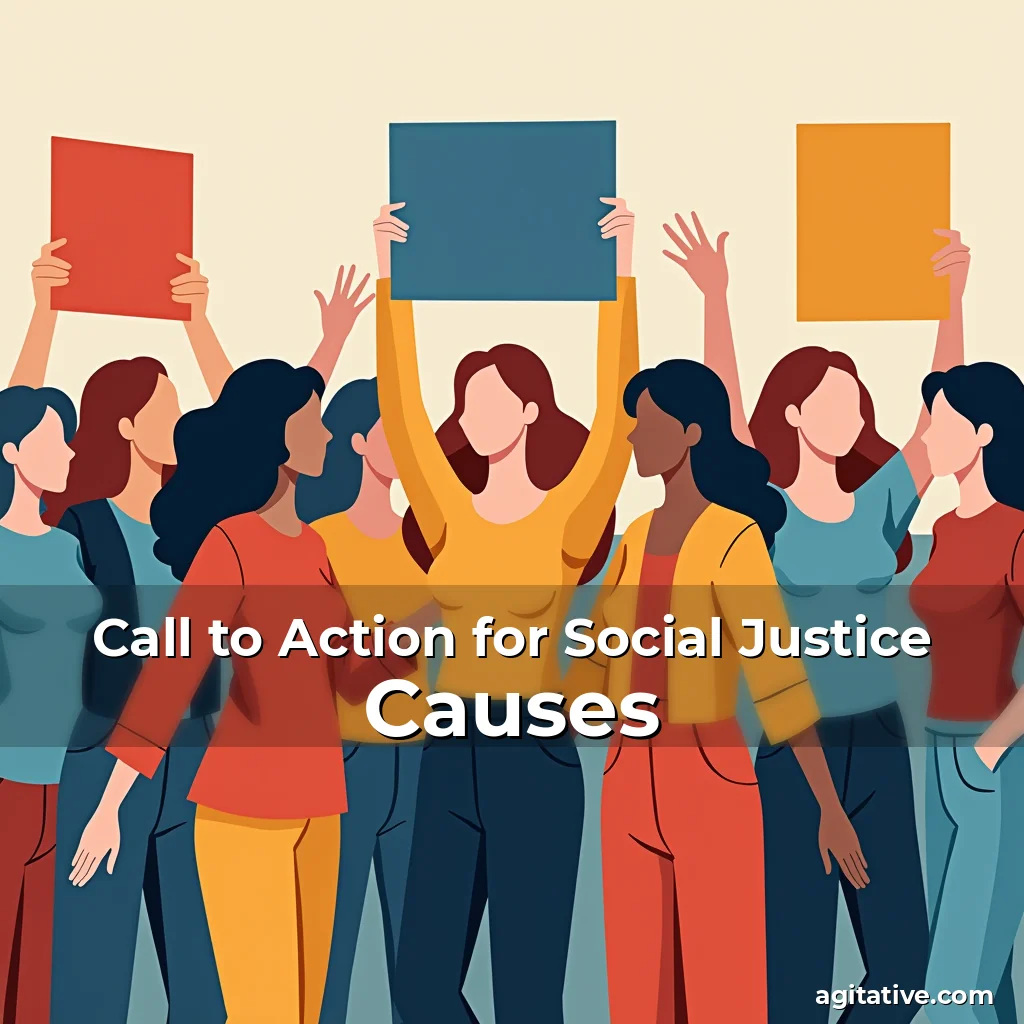
Call to Action for Social Justice Causes
In an era defined by rapid societal shifts and heightened awareness of global injustices, the call to action has evolved beyond mere rhetoric—it is now a vital force shaping the trajectory of social change. Activists, advocates, and everyday individuals are increasingly recognizing that meaningful transformation requires deliberate engagement, strategic planning, and unwavering commitment.
The urgency of today’s challenges demands that those who care deeply about justice move from passive observation to active participation. Whether through grassroots organizing, digital advocacy, or direct service, every individual holds the power to contribute meaningfully to movements striving toward equity and fairness.
The Power of Purposeful Engagement
Purposeful engagement transforms isolated efforts into collective momentum. It begins with identifying personal values and aligning them with larger causes that resonate emotionally and ethically. This alignment ensures sustained motivation rather than fleeting interest.
Critically, purposeful engagement involves understanding the broader context of social issues. For instance, addressing systemic racism cannot be reduced to symbolic gestures; it necessitates deep comprehension of historical structures, current policies, and intersectional impacts affecting marginalized communities.
- Align Values with Actions: Connect your core beliefs with tangible initiatives such as volunteering, policy advocacy, or community education programs.
- Educate Yourself Continuously: Stay informed through credible sources, attend workshops, and engage with diverse perspectives within activist spaces.
Strategies for Effective Advocacy
Advocacy thrives when rooted in evidence-based strategies tailored to specific goals. A well-defined strategy can turn passionate energy into impactful outcomes by focusing resources where they matter most—whether locally, nationally, or globally.
This means prioritizing actions that address root causes over symptoms alone. Instead of merely fundraising for immediate relief, consider supporting legislation aimed at long-term structural reform. Such approaches foster sustainable solutions rather than temporary fixes.
Leveraging Data and Research
Data-driven advocacy provides credibility and direction. Statistics reveal disparities that demand attention while also demonstrating progress made through targeted interventions. For example, research showing increased access to healthcare among underserved populations after policy changes illustrates how effective measures yield measurable results.
Finding reliable data might involve consulting academic journals, government reports, or reputable NGOs. These sources help build compelling cases for action backed by facts rather than assumptions or emotional appeals alone.
Building Inclusive Movement Spaces
Inclusivity strengthens movements by ensuring voices from all backgrounds shape decisions and priorities. Excluding certain groups risks perpetuating biases and missing critical insights essential for holistic progress.
Creating inclusive environments requires intentional effort—from diversifying leadership teams to implementing accessibility standards during events or meetings. When everyone feels valued, collaboration becomes more authentic and productive.
- Diversify Leadership Structures: Actively seek representation across age, gender identity, race, disability status, and socioeconomic background.
- Promote Accessibility Standards: Ensure physical venues accommodate people with disabilities and offer virtual alternatives for remote participation whenever possible.
Harnessing Digital Tools for Impact
Digital platforms have revolutionized how activists mobilize support quickly yet effectively. From online petitions gathering thousands of signatures overnight to viral campaigns raising global awareness instantly, technology offers unprecedented opportunities for influence.
However, these tools must complement—not replace—traditional methods like face-to-face conversations or local community work. The synergy between digital outreach and grassroots interactions often yields stronger engagement levels and deeper connections within target audiences.
Tips for Effective Online Campaigns
Successful online campaigns blend clear messaging with strategic timing. Crafting messages that highlight both urgency and hope resonates better than fear-based tactics which may alienate potential supporters.
Social media algorithms favor content that sparks interaction, so including calls to share posts, comment thoughtfully, or participate in live discussions enhances visibility without compromising authenticity.
Maintaining Momentum Through Sustained Effort
Sustained effort prevents movements from losing steam amid setbacks or slow progress indicators. Setting realistic expectations helps manage discouragement when desired changes don’t happen immediately due to complex political landscapes or resistance forces.
Regularly evaluating campaign effectiveness allows adjustments based on what works best. Tracking metrics related to volunteer sign-ups, event attendance numbers, or legislative bill statuses informs future strategies effectively.
- Set Measurable Goals: Define key performance indicators aligned with each initiative’s objectives so success can be objectively assessed later.
- Engage Regularly With Supporters: Keep followers updated via newsletters, webinars, or regular updates posted publicly online to maintain trust and transparency around ongoing projects.
Navigating Challenges Within Movements
Challenges inevitably arise as movements grow larger and more complex. Internal conflicts over leadership styles, differing opinions on priority issues, or external pressures from opposing factions test unity regularly.
Addressing these challenges transparently fosters resilience. Open dialogue channels encourage honest communication while conflict resolution frameworks guide negotiations constructively instead of allowing disputes to escalate destructively.
- Create Safe Communication Channels: Establish forums where members feel comfortable expressing concerns respectfully without fear of retaliation.
- Implement Conflict Resolution Frameworks: Provide training sessions teaching mediation skills useful during disagreements regarding strategic directions or operational procedures.
Amplifying Voices Beyond Traditional Media
Traditional media outlets sometimes prioritize sensationalism over substance, sidelining nuanced narratives crucial for genuine change. Therefore, amplifying underrepresented voices directly through alternative mediums empowers neglected stories to reach wider audiences organically.
Blogs maintained by affected individuals themselves serve as powerful testimonies highlighting lived experiences alongside statistical analyses used earlier in other sections discussing inclusivity and movement building strategies.
- Support Independent Journalism Platforms: Share articles published on non-mainstream sites focused exclusively on human rights violations or environmental degradation witnessed firsthand.
- Utilize Podcast Interviews: Invite speakers representing various stakeholder interests onto podcasts covering relevant topics weekly thereby expanding listener base gradually but consistently.
Fostering Community Resilience Amidst Adversity
Resilient communities emerge from strong interpersonal bonds reinforced by shared purpose and mutual aid practices established early enough before crises strike unexpectedly. Building such networks proactively enables quicker recovery times post-disaster scenarios whether natural disasters hit suddenly or economic downturns occur unpredictably.
Community centers offering free legal advice clinics provide practical assistance whereas mentorship programs match experienced leaders with newcomers eager to learn about activism techniques safely through guided practice settings.
- Establish Mutual Aid Networks: Coordinate informal resource-sharing systems operating independently outside formal governmental structures especially beneficial during emergencies when official responses lag behind real-time needs.
- Offer Mentorship Opportunities: Pair seasoned organizers with new volunteers seeking guidance navigating ethical dilemmas faced daily within fast-paced activist environments.
Conclusion
The journey towards lasting social justice hinges upon persistent dedication reflected in consistent actions taken collectively by engaged citizens worldwide. By embracing purposeful engagement, leveraging modern technologies wisely, fostering inclusive atmospheres, and maintaining resilient communities, we lay solid foundations capable of enduring any opposition thrown our way.
Ultimately, each person contributes uniquely depending on their abilities and circumstances. Yet together, these contributions form unstoppable waves ready to reshape societies committed equally toward achieving fairer futures accessible universally regardless of origin story told thus far.


news is a contributor at Agitative. We are committed to providing well-researched, accurate, and valuable content to our readers.
You May Also Like


Historical Examples of Stirring Debates
The Fires That Shape History: Unpacking Stirring Debates in Movements for Social Change In the crucible of societal transformation, stirring...
From Sparks to Supremacy: The Art and Science of Movement Building for Social Change
From Sparks to Supremacy: The Art and Science of Movement Building for Social Change Movement building isn’t just about protests...
The Listening Crisis : When Leaders Ignore Feedback Before And After Change
The Challenges of Listening in the Digital Age In today's fast-paced digital world, the art of listening has become increasingly...

Testing Provocative Ideas Through Debate
Testing Provocative Ideas Through Debate In an era where information flows rapidly and opinions are often shaped by algorithms, provocative...