


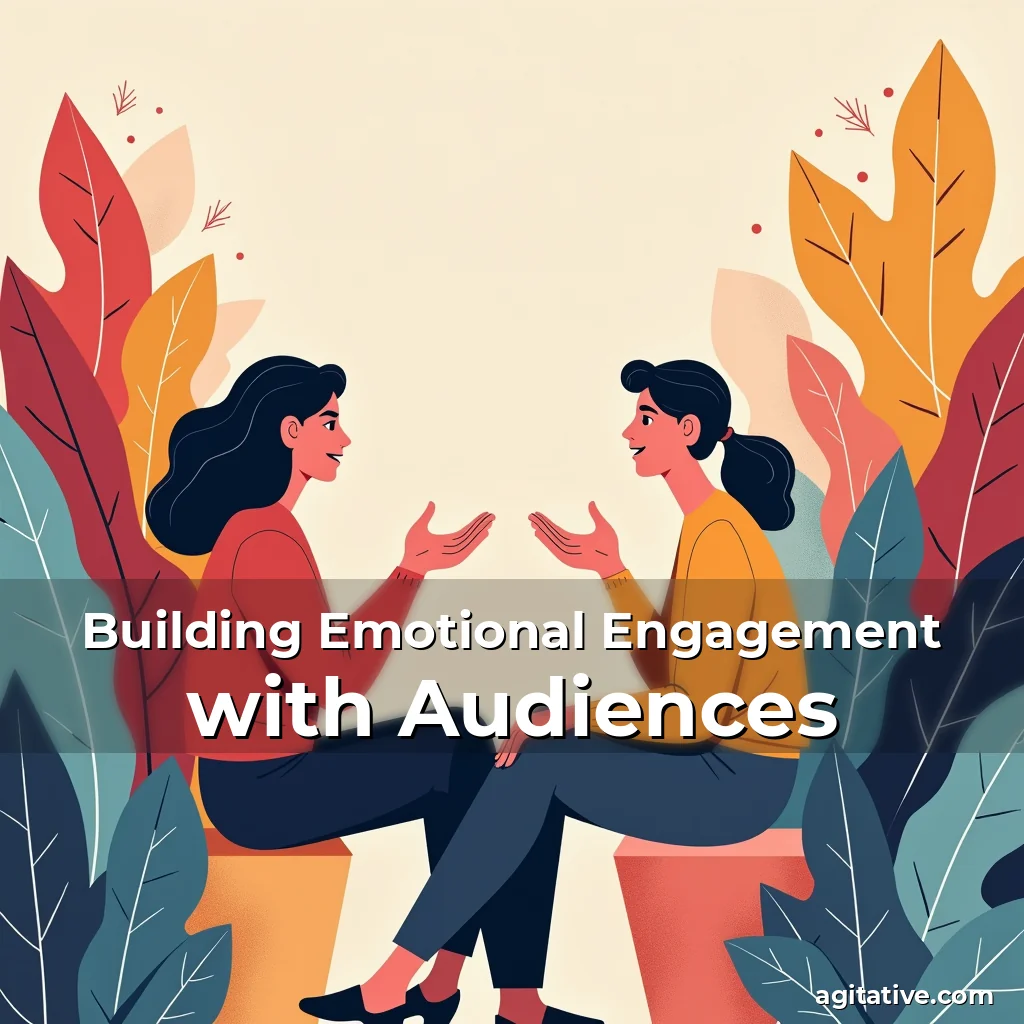
Building Emotional Engagement with Audiences
In an era defined by rapid information cycles and digital saturation, emotional engagement has emerged as the cornerstone of effective social change. Activists, educators, and advocates must now navigate a landscape where attention spans are fleeting and apathy is rampant.
The power of emotional connection lies in its ability to transform passive observers into active participants. When audiences feel deeply connected to a cause, they become agents of transformation rather than mere spectators.
The Psychology Behind Emotional Connection
Human beings are wired for empathy and shared experience. Our brains release oxytocin when we connect emotionally with others, fostering trust and cooperation. This biological response underpins our capacity for collective action.
Emotional triggers activate the amygdala, the brain’s threat detection center. While often associated with fear, this region also processes joy, anger, and compassion—key drivers of social movement participation.
Studies show that stories containing emotional arcs have 22 times greater recall value than factual reports alone. This phenomenon explains why personal narratives resonate so profoundly within activist communities.
The limbic system, responsible for emotions and memory, creates lasting impressions through vivid storytelling. These neural pathways form the foundation for sustained advocacy efforts.
Crafting Compelling Narratives
A strong narrative begins with identifying authentic human experiences at the heart of any issue. Whether addressing climate justice or racial equity, grounding messages in real-life struggles makes abstract concepts tangible.
Effective storytelling follows a three-part structure: setup, conflict, resolution. The setup introduces the protagonist’s world, the conflict presents challenges faced, and the resolution offers hope or insight gained from overcoming adversity.
Tip: Always include relatable characters who mirror your audience’s values and aspirations. Authenticity builds credibility while creating emotional investment in outcomes.
Example: A campaign against police brutality might feature a young mother describing her son’s arrest experience, making systemic issues intimately personal for viewers.
- Use sensory language to create mental imagery that lingers long after reading or watching
- Incorporate dialogue snippets that reveal character motivations and conflicts
- Show transformation journeys that demonstrate how individuals grow through adversity
Narrative progression should follow natural emotional rhythms—from tension-building introductions to cathartic conclusions. This structure mirrors our innate need for closure and meaning-making.
Fostering Community Through Shared Experience
Emotional engagement thrives in environments where people can express their feelings safely. Creating spaces for open dialogue allows activists to validate each other’s experiences without judgment.
Social media platforms provide unprecedented opportunities for virtual community building. Hashtags, live streams, and interactive posts enable real-time emotional exchanges across geographical boundaries.
Strategy: Organize regular check-ins or reflection circles where participants share emotional responses to recent events or campaigns.
Note: Digital interactions require intentional moderation to maintain respectful discourse while allowing space for vulnerable expression.
Data Supporting Community Engagement
Research indicates that groups with high levels of emotional cohesion see 68% greater volunteer retention rates compared to those lacking such connections. This statistic underscores the importance of cultivating belonging among activists.
Participants in emotionally engaged movements report higher life satisfaction scores, demonstrating that meaningful involvement benefits both causes and individuals alike.
Psychological safety within activist circles correlates strongly with increased willingness to take risks for social justice. People feel empowered when surrounded by supportive peers sharing similar passions.
These findings suggest that emotional bonds between activists serve dual purposes—they strengthen movements while simultaneously enriching individual well-being.
Leveraging Empathy Across Diverse Perspectives
True emotional engagement requires bridging divides between different lived experiences. Recognizing common ground despite differences fosters inclusive activism grounded in mutual respect.
Cross-cultural understanding emerges from listening actively rather than assuming knowledge. Engaging with diverse voices expands perspectives while deepening emotional intelligence skills essential for modern activism.
Action Step: Attend cultural immersion workshops or participate in dialogues led by marginalized communities seeking broader awareness.
Insight: Regular exposure to alternative viewpoints increases cognitive flexibility—the ability to consider multiple interpretations of complex societal issues.
- Practice perspective-taking exercises during group discussions
- Create safe zones for challenging assumptions respectfully
- Implement feedback loops that acknowledge growth in intercultural competence
Empathetic communication techniques help bridge ideological gaps. Using “I statements” instead of accusatory language promotes constructive conversations over divisive arguments.
Strategies for Sustaining Long-Term Engagement
Maintaining momentum in activism demands consistent emotional nourishment. Regular updates highlighting progress reinforce commitment while preventing burnout from overwhelming news cycles.
Balancing urgency with optimism prevents cynicism from taking root. Celebrating small victories keeps morale high even amidst ongoing challenges facing social movements.
Tactic: Develop a rotating schedule featuring success stories, lessons learned, and upcoming actions to maintain balanced messaging flow.
Reminder: Self-care practices for activists ensure they remain emotionally available to support others effectively over extended periods.
Measuring Emotional Impact Effectively
Quantifying emotional engagement involves assessing both qualitative and quantitative indicators. Surveys measuring perceived impact offer insights into what resonates most with audiences.
Analyzing social media sentiment provides real-time data on public emotion related to campaigns. Tools tracking keyword frequency can identify emerging themes worth exploring further.
Participant testimonials capture nuanced understandings that metrics may miss. These firsthand accounts reveal deeper layers of engagement beyond surface-level reactions.
Combining these methods yields comprehensive portraits of how messages affect audiences emotionally, guiding future strategy development accordingly.
Cultivating Resilience Through Collective Emotion
Shared emotional experiences build resilience within activist networks. Knowing others face similar challenges reduces isolation while reinforcing communal strength.
Grief processing rituals help manage loss inherent in many social justice battles. Honoring sacrifices made strengthens resolve rather than diminishing motivation.
Method: Establish memorials or remembrance ceremonies acknowledging past struggles alongside current efforts toward change.
Purpose: These acts normalize mourning within movements, recognizing that emotional labor is integral to sustaining long-term activism.
- Host healing circles focused on releasing trauma-related stressors
- Develop peer support systems for managing emotional exhaustion
- Create resource guides outlining healthy coping mechanisms
Resilient collectives prioritize emotional health as much as tactical effectiveness. This holistic approach ensures sustainability amid inevitable setbacks encountered along reform paths.
Conclusion
Emotional engagement remains vital for mobilizing powerful, enduring social change initiatives. By understanding psychological foundations and employing strategic storytelling techniques, activists can forge stronger connections with supporters.
To cultivate lasting movements, practitioners must continuously refine approaches based on evolving audience needs. Prioritizing empathetic outreach and community bonding will determine which campaigns achieve transformative results versus fading into obscurity.


news is a contributor at Agitative. We are committed to providing well-researched, accurate, and valuable content to our readers.
You May Also Like


Challenging Norms in Scientific Research
Challenging Norms in Scientific Research In an era where scientific research shapes policy, technology, and everyday life, challenging established norms...
The Alchemy of Empathy: How Emotional Engagement Fuels Social Change Movements
The Alchemy of Empathy: How Emotional Engagement Fuels Social Change Movements In an era defined by digital noise and fleeting...
Social Movements and Social Media Impact
The Digital Pulse of Revolution: How Social Movements Are Reshaping Society Through Activism In an era where smartphones are as...

Agitation Techniques in Democratic Societies
Agitation Techniques in Democratic Societies In democratic societies, agitation is not merely an act of protest—it's a calculated strategy aimed...