


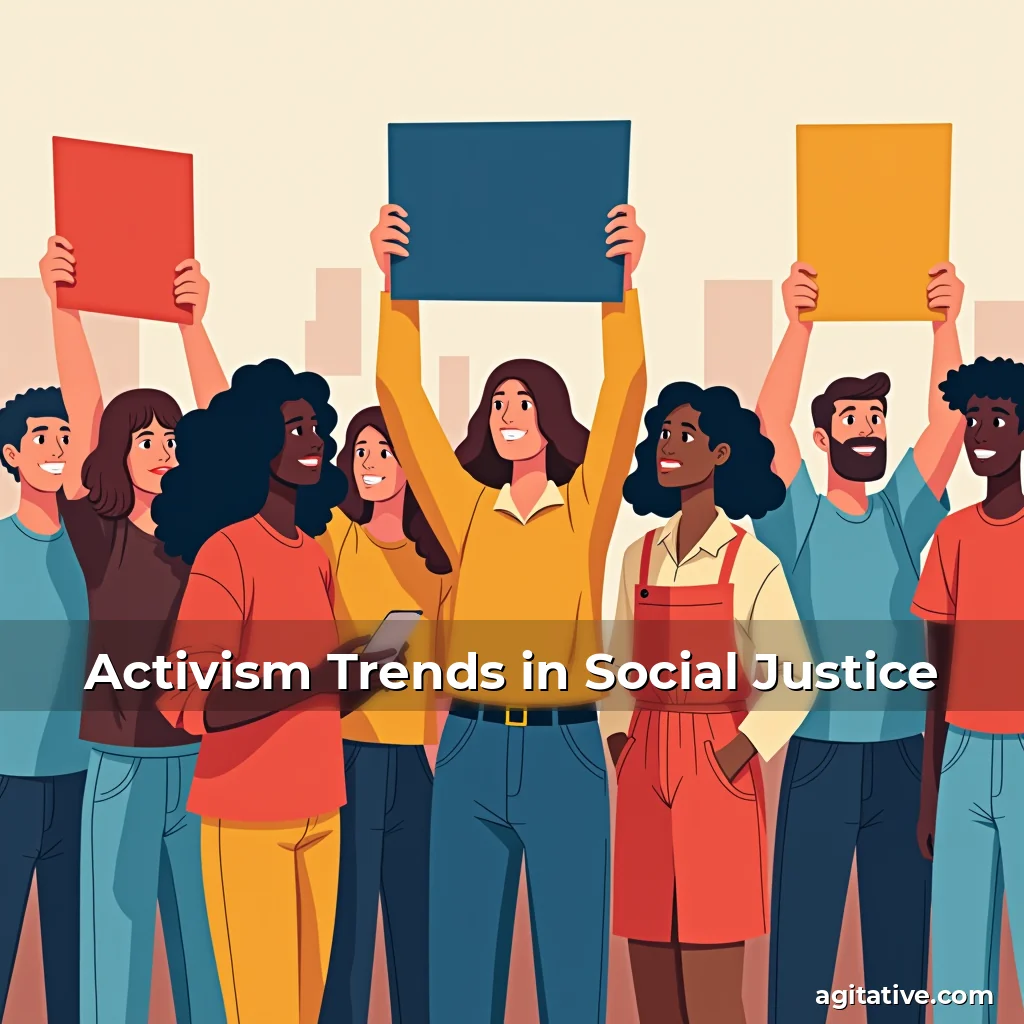
Activism Trends in Social Justice
In an era marked by unprecedented global connectivity, activism has evolved beyond traditional protest methods into dynamic new forms that leverage technology, community power, and systemic critique. From digital campaigns to grassroots organizing, today’s activists are redefining what it means to drive social change.
The rise of online platforms has transformed how movements mobilize support, but it also brings challenges such as misinformation and digital fatigue. Understanding these shifts is crucial for anyone committed to meaningful advocacy.
The Digital Revolution in Activism
Digital tools have become central to modern activism, enabling rapid information sharing and coordination across borders. Hashtags, live streaming, and encrypted messaging apps allow activists to bypass mainstream media gatekeepers and reach broader audiences instantly.
Social media platforms serve as both megaphones and battlegrounds where ideas spread quickly, yet face censorship attempts from governments and corporations. This duality shapes the effectiveness and risks associated with digital activism.
Online fundraising through crowdfunding sites has democratized financial support for causes, allowing individuals worldwide to contribute without relying solely on institutional donors.
- Data-driven strategies: Analytics help track campaign performance, identify target demographics, and optimize outreach efforts efficiently.
- Viral storytelling: Compelling narratives shared via video clips or infographics can generate massive engagement within hours, amplifying calls for action.
However, digital activism faces criticism over its potential superficiality compared to direct action. Critics argue that virtual participation may lack tangible impact unless paired with offline initiatives.
Rise of Intersectional Movements
Intersectionality—the recognition that different aspects of identity intersect to shape experiences of oppression—has reshaped activist frameworks globally. It encourages solidarity among diverse groups facing overlapping inequalities based on race, gender, class, sexuality, disability, etc.
Movements like #MeToo and Black Lives Matter exemplify intersectional approaches by addressing issues affecting marginalized communities while acknowledging their interconnected struggles.
This approach fosters inclusive spaces where voices often excluded from mainstream discourse gain visibility and influence policy changes at local and national levels.
Statistics on Intersectional Awareness
A Pew Research Center survey found that 68% of Americans believe understanding others’ lived experiences improves empathy, highlighting growing awareness around intersectionality’s importance.
Furthermore, organizations increasingly prioritize hiring diversity officers who ensure representation matters in leadership roles—an outcome directly linked to embracing intersectional principles.
Youth-Led Mobilization Power
Younger generations are leading transformative waves through innovative tactics rooted in climate justice, racial equity, LGBTQ+ rights, and mental health reform. Their energy fuels high-profile demonstrations seen worldwide—from Fridays For Future strikes to March for Our Lives events.
Educated on social media since childhood, youth activists use creative visuals, memes, and viral videos to engage peers effectively. They challenge older models of protest with fresh perspectives emphasizing urgency and inclusivity.
Platforms like TikTok enable real-time updates during protests, creating instant documentation that spreads rapidly before authorities can control narratives.
These leaders also emphasize collaboration between student bodies, artists, scientists, and technologists—blending disciplines to create multifaceted solutions rather than single-issue campaigns alone.
Grassroots Organizing Resurges
Amidst corporate-sponsored initiatives dominating public attention, authentic grassroots efforts continue gaining momentum by focusing on localized needs and building trust within communities.
Community-led projects range from neighborhood clean-ups targeting environmental racism to mutual aid networks distributing food amid crises like pandemics or natural disasters.
Growing distrust toward top-down policies drives people towards self-sustaining systems managed collectively instead of waiting for bureaucratic approval processes which often delay necessary actions.
Such bottom-up approaches foster resilience against external pressures including surveillance, repression, or funding cuts aimed at silencing dissenting voices.
Civil Disobedience Reimagined
While nonviolent resistance remains foundational, contemporary civil disobedience incorporates novel elements reflecting current societal dynamics. Tactics now include occupying public squares overnight, disrupting supply chains, and leveraging art installations as political statements.
Organizers employ strategic timing—such as aligning actions with legislative debates—to maximize media coverage and pressure decision-makers into addressing grievances seriously.
Training programs teach participants how to document encounters with law enforcement safely using body cameras and mobile phones, ensuring transparency even when met with force.
Legal defense funds assist arrested protesters financially so they aren’t burdened by fines or legal fees discouraging future involvement in movements.
Corporate Accountability Campaigns
Businesses once considered untouchable due to economic power now face mounting scrutiny regarding labor practices, carbon footprints, and ethical sourcing commitments. Consumers wield significant influence through boycotts and shareholder activism demanding accountability.
Investors utilize ESG criteria (Environmental, Social Governance) ratings to evaluate companies before investing capital, pushing firms toward sustainability goals aligned with global accords like Paris Agreement targets.
Transparency demands extend beyond reporting; stakeholders expect verifiable data showing measurable progress towards stated objectives regularly published publicly accessible formats.
When corporations fail expectations, mass resignations from employees or withdrawal of services by partners act as powerful deterrents forcing reconsideration of harmful policies.
Bridging Divides Through Dialogue
Building bridges between opposing viewpoints requires intentional dialogue fostering respect amidst disagreement. Workshops designed specifically for cross-cultural communication equip participants with skills navigating complex conversations productively.
Mediation sessions facilitated by trained professionals help resolve conflicts arising from misunderstandings or historical tensions preventing constructive cooperation essential for long-term solutions.
Public forums encourage open exchanges where differing opinions coexist without immediate judgment, promoting nuanced understanding rather than polarization typical of many discussions today.
Creating safe environments ensures everyone feels heard regardless of background thereby strengthening collective identities capable of uniting disparate factions under common purpose.
Global Solidarity Networks
International alliances amplify individual efforts by pooling resources, knowledge, and international pressure on regimes resistant to domestic reforms. These coalitions span continents working together despite cultural differences united by shared values.
Shared digital infrastructures facilitate seamless coordination irrespective of geographical barriers allowing simultaneous actions across multiple countries simultaneously raising profile significantly more than isolated incidents could achieve alone.
Translation services provided freely ensure language isn’t obstacle limiting participation hence increasing accessibility enhancing overall effectiveness substantially.
By demonstrating unified front globally, activists show governments cannot ignore demands originating outside their jurisdictions thus pressuring them adopt progressive stances aligned with universal human rights standards.
Conclusion
From digital innovation to renewed emphasis on intersectionality, today’s activism landscape reflects evolving priorities shaped by technological advancements and heightened consciousness surrounding inequality issues.
Engaging actively in these emerging trends offers opportunities not just to participate meaningfully but also lead transformationally towards equitable futures grounded firmly upon principles of justice, compassion, and unity.


news is a contributor at Agitative. We are committed to providing well-researched, accurate, and valuable content to our readers.
You May Also Like

Sustaining Momentum in Movement Building
Sustaining Momentum in Movement Building Movement building is not merely an act of protest; it's a strategic process of cultivating...

Emotional Engagement vs Manipulation
Emotional Engagement vs Manipulation In an era where information spreads faster than ever before, emotional engagement has become both a...

Ethical Considerations When Inciting Change
Ethical Considerations When Inciting Change The act of inciting change has always been central to human progress, yet it carries...

Emotional Triggers for Charitable Giving
Emotional Triggers for Charitable Giving In an age where information is abundant yet empathy often feels scarce, understanding emotional triggers...