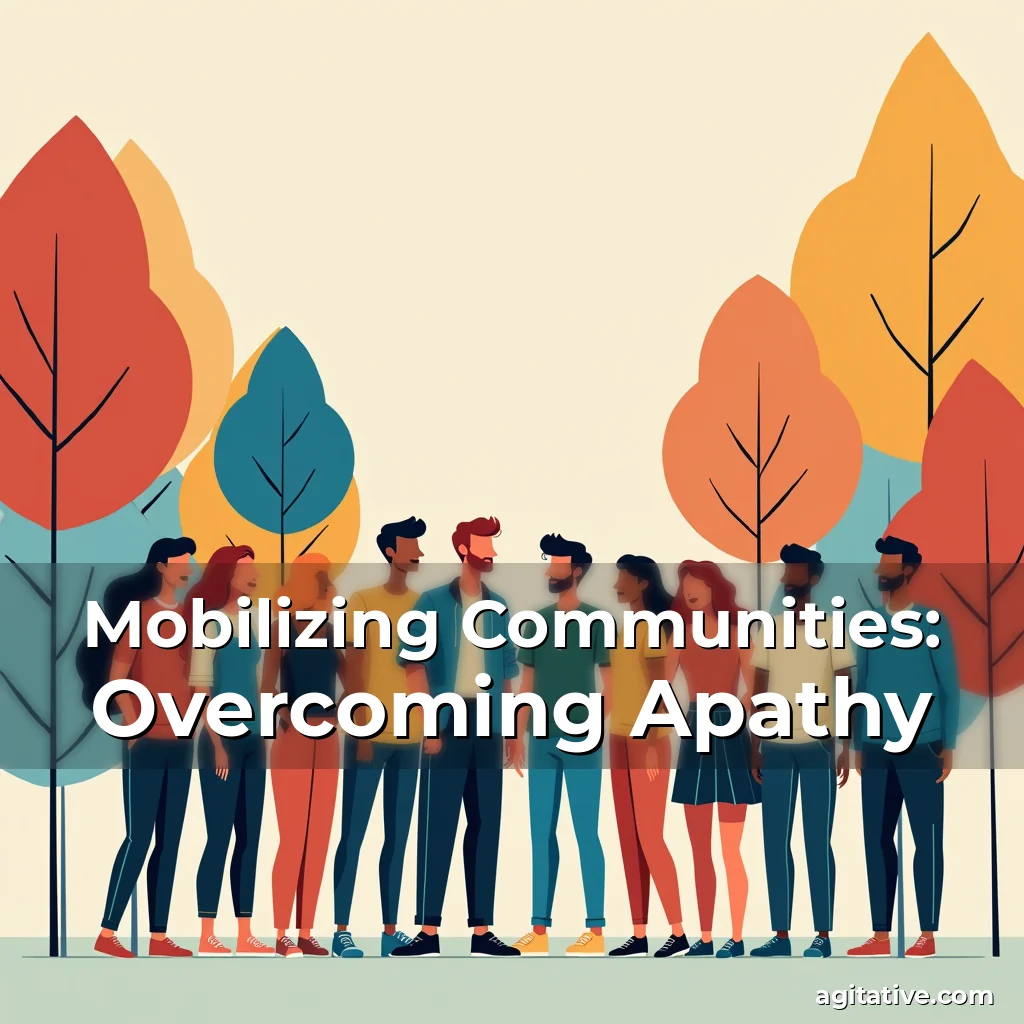
Mobilizing Communities: Overcoming Apathy
In an era where global challenges—from climate change to systemic inequality—demand collective action, mobilizing communities has never been more critical. Yet apathy remains a persistent barrier to progress.
The key lies not only in raising awareness but in transforming that awareness into sustained engagement and meaningful participation across diverse groups within society.
The Power of Community Mobilization
Community mobilization is the process of uniting individuals around shared goals to create tangible societal impact. It bridges gaps between isolated voices and collective power.
This approach empowers marginalized groups by amplifying their stories and ensuring they have a seat at decision-making tables. When people feel heard, they become active agents of change rather than passive observers.
Empowerment through inclusion: Inclusive community efforts lead to stronger outcomes because everyone’s perspectives contribute to problem-solving strategies.
Collective strength: A unified voice carries far greater weight than individual pleas for justice or reform.
- Amplification effect: Combined advocacy increases visibility and pressure on policymakers and institutions.
- Sustainable solutions: Diverse input ensures long-term viability of initiatives addressing complex issues like poverty alleviation or environmental protection.
Bridging Gaps Through Shared Vision
A common vision acts as glue binding disparate members together toward achieving mutual objectives. Without alignment, even well-intentioned efforts can falter due to miscommunication or conflicting priorities.
Crafting such visions requires deep listening sessions where stakeholders articulate what matters most to them personally and collectively.
These discussions help identify core values upon which any successful movement must rest—for instance, equity, sustainability, or human dignity.
Once established, these guiding principles inform every aspect from campaign messaging down to resource allocation decisions made during implementation phases.
Fostering Unity Within Diversity
Diversity enriches movements by bringing varied experiences and ideas into play; however, managing differences without compromising unity demands intentional effort.
One effective method involves creating safe spaces where open dialogue occurs free from judgment—a prerequisite for building trust among participants who may come from vastly different backgrounds.
According to research published in *Social Movement Studies*, inclusive environments enhance both group cohesion and effectiveness when tackling multifaceted problems affecting communities globally.
Such studies emphasize that acknowledging cultural nuances while promoting common ground strengthens overall resilience against external pressures aiming to dismantle grassroots organizations.
Strategies For Effective Mobilization
To effectively mobilize communities, strategic approaches must align with local contexts while remaining adaptable enough to evolve alongside changing circumstances.
Successful campaigns often begin by identifying champions—individuals already invested in particular causes—who can serve as ambassadors spreading enthusiasm beyond initial circles.
Leveraging digital platforms enables broader reach yet necessitates careful consideration regarding accessibility so no segment feels excluded merely based on technological proficiency levels.
Additionally, utilizing storytelling techniques helps connect emotionally with audiences making abstract concepts relatable thus increasing likelihoods of personal investment.
Harnessing Digital Tools Responsibly
Digital tools offer unprecedented opportunities to engage wider demographics quickly yet responsibly deploying technology remains essential.
Platforms such as social media facilitate real-time updates sharing success stories reinforcing positive momentum behind ongoing projects.
However, ensuring equitable access means considering alternative methods including SMS alerts or radio broadcasts reaching those lacking internet connectivity regularly.
Moreover, prioritizing cybersecurity measures protects sensitive information shared online safeguarding vulnerable populations involved in activist work.
Building Trust And Accountability Mechanisms
Trust forms foundation upon which enduring relationships develop enabling smooth collaboration among various entities working towards similar ends.
Establishing clear communication channels fosters transparency reducing misunderstandings potentially arising from unclear expectations or unmet commitments.
Regular feedback loops allow continuous evaluation adjusting course whenever necessary maintaining relevance amidst evolving conditions facing target populations daily.
Accountability structures ensure responsible use of resources preventing misuse which could undermine credibility over time especially after experiencing setbacks related to funding shortages or logistical failures.
Ensuring Ethical Practices In Activism
Ethics guide behavior ensuring actions taken reflect integrity supporting cause being advocated instead of self-interest dominating proceedings.
Prioritizing informed consent becomes crucial particularly when involving minors or mentally incapacitated persons whose rights require special protections under law.
Respecting privacy norms maintains confidentiality protecting identities unless explicit permission granted otherwise which preserves safety amid potential backlash encountered frequently within activist spheres.
Adhering strictly to legal frameworks prevents unintended consequences stemming from non-compliance risking loss of public support due perceived illegality surrounding operations conducted improperly.
Overcoming Obstacles To Participation
Despite best intentions barriers exist discouraging involvement ranging from fear-based hesitations rooted deeply ingrained beliefs regarding risks associated with political engagement.
Creating welcoming atmospheres reduces intimidation factors encouraging newcomers seeking ways contribute meaningfully without feeling overwhelmed initially.
Providing training workshops equips volunteers with requisite skills enhancing confidence levels allowing them take ownership roles shaping direction future activities undertaken jointly.
Recognizing contributions publicly reinforces value placed upon each participant’s role strengthening sense belonging integral component fostering continued dedication required sustaining momentum achieved early stages.
Addressing Structural Barriers Systemically
Structural impediments such as discriminatory policies disproportionately affect certain demographic groups requiring targeted interventions dismantling oppressive systems perpetuating disparities experienced historically.
Advocacy focused solely on surface-level changes neglects deeper roots causing recurring cycles hardship faced continuously affected communities striving achieve parity status enjoyed others unfairly privileged.
Therefore, comprehensive analyses diagnosing underlying causes informs development tailored responses addressing root issues comprehensively instead applying temporary fixes likely failing eventually.
Engaging experts specializing relevant fields provides evidence-based recommendations grounded empirical data strengthening legitimacy proposals put forth demanding institutional reforms urgently needed rectify injustices prevailing today.
Measuring Impact And Adapting Strategies
Evaluating effectiveness allows identification areas needing improvement refining methodologies employed previously proving insufficient yielding desired results expected originally envisioned plans.
Data collection processes should remain flexible adapting measurement criteria according actual progress observed field versus theoretical projections generated beforehand.
Utilizing mixed-methods approaches combining quantitative metrics qualitative insights offers balanced view performance indicators reflecting nuanced realities encountered practitioners operating frontline situations.
Sharing findings openly cultivates culture learning promoting innovation sparking new ideas improving existing programs benefiting all concerned parties equally regardless position held within organization structure hierarchy present.
Conclusion
Mobilizing communities transcends mere assembly of individuals; it entails cultivating vibrant ecosystems thriving off collaborative energy directed purposeful endeavors aimed bettering lives everywhere possible.
By embracing inclusivity, ethical standards, adaptive tactics aligned communal needs, we unlock pathways leading lasting transformations reshaping societies positively impacting generations ahead.
“`

news is a contributor at Agitative. We are committed to providing well-researched, accurate, and valuable content to our readers.