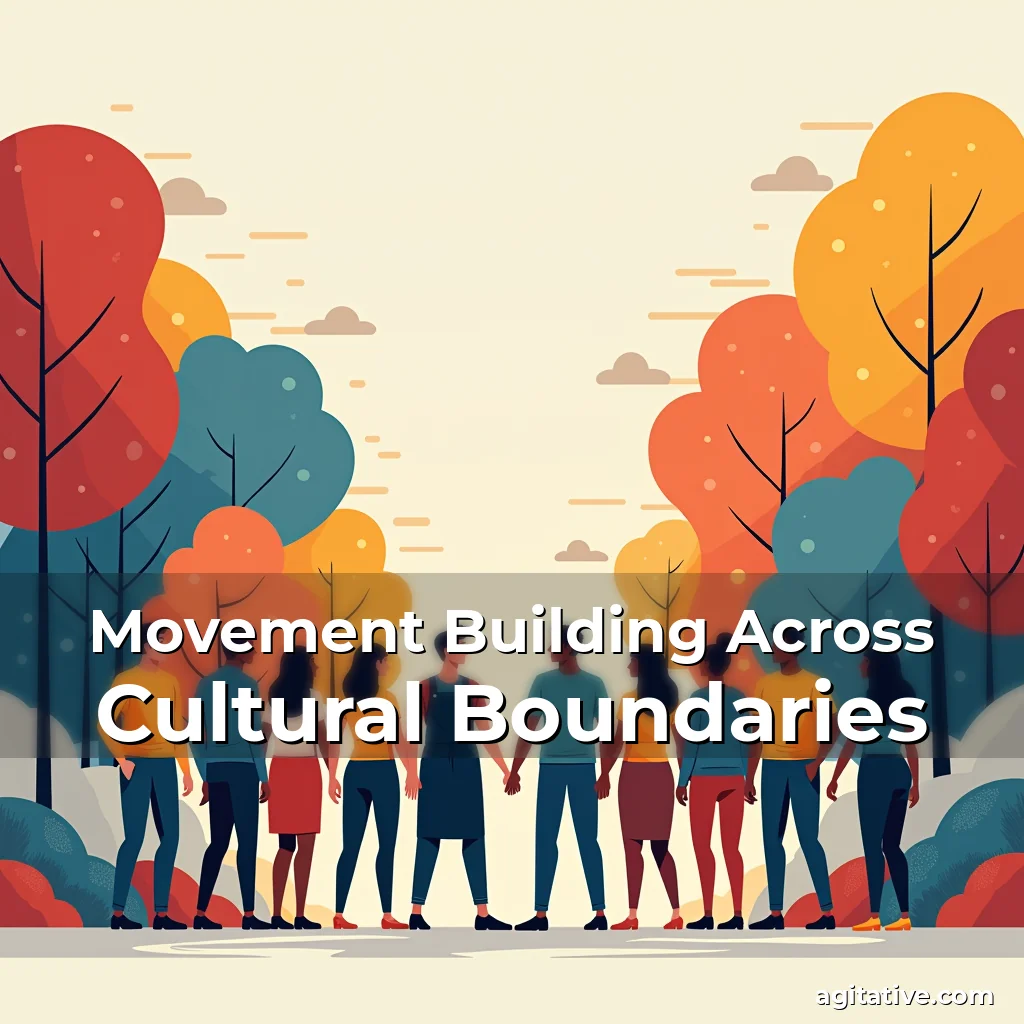
Movement Building Across Cultural Boundaries
In an era where global challenges demand collective action, movement building has emerged as both an art and science of mobilizing diverse communities toward common goals. This process transcends traditional activism by focusing not only on immediate objectives but also on fostering long-term cultural shifts that sustain momentum across generations.
The essence of effective movement building lies in its ability to bridge gaps between individuals from varied backgrounds while maintaining a unified vision. It requires strategic planning, deep empathy, and innovative tactics tailored to resonate within different cultural contexts without diluting core principles.
Fundamental Principles of Movement Building
At the heart of successful movements are foundational principles that guide their development and sustainability. These include clarity of purpose, inclusivity, adaptability, and resilience—each playing a crucial role in shaping how a movement evolves over time.
A clear mission statement serves as the anchor around which all activities revolve. Without this guiding light, efforts can become fragmented, leading to confusion among participants and potential disengagement from external supporters who seek meaningful involvement.
Inclusivity ensures that voices from various demographics are heard and valued equally. When marginalized groups feel represented at every level—from decision-making tables down to grassroots outreach—the legitimacy and strength of the movement significantly increase.
Adaptability allows movements to respond effectively to changing circumstances without compromising their fundamental values. Whether facing new opposition strategies or shifting public opinion landscapes, flexibility is essential for continued relevance and impact.
Resilience builds endurance against setbacks such as legal challenges, media misrepresentation, or internal conflicts. Cultivating strong leadership structures capable of navigating these obstacles helps maintain unity even during turbulent periods.
Culturally Responsive Strategies
To thrive globally, movements must adopt culturally responsive approaches that respect local traditions while promoting universal ideals. This involves understanding regional nuances before implementing any strategy aimed at influencing societal norms or policies.
Engaging community leaders early in the planning stages fosters trust and ensures authenticity in messaging. Their insights provide invaluable context regarding what resonates emotionally with people versus what might appear superficially appealing yet lack deeper meaning.
Cultural sensitivity training for organizers enhances awareness about potential biases affecting communication styles and interaction methods. Recognizing differences doesn’t imply division; rather, it encourages richer dialogue grounded in mutual respect.
Utilizing storytelling techniques rooted in indigenous knowledge systems can make abstract concepts tangible and relatable. By weaving narratives through music, dance, visual arts, or oral histories, movements create emotional connections that transcend language barriers.
- Leverage Local Knowledge: Incorporate traditional practices into modern campaigns when appropriate, ensuring they align with contemporary human rights standards.
- Promote Interfaith Dialogue: Facilitate conversations between religious institutions advocating similar ethical frameworks despite doctrinal distinctions.
- Create Multilingual Resources: Develop educational materials available in multiple languages so information reaches wider audiences accurately and respectfully.
Building Coalitions Through Shared Values
Coalition-building forms one of the most powerful tools for expanding influence beyond isolated pockets of support. Identifying overlapping interests among disparate groups enables the creation of alliances based on solidarity rather than mere convenience.
Diverse coalitions bring together complementary strengths—such as labor unions providing logistical expertise alongside environmental organizations offering scientific data—to achieve greater outcomes than either could accomplish independently.
Establishing transparent governance models prevents power imbalances that often undermine collaborative efforts. Clear roles, responsibilities, and conflict resolution mechanisms ensure equitable participation regardless of organizational size or resources.
Regular cross-movement gatherings foster camaraderie and shared learning experiences. These events allow members to exchange best practices, celebrate successes, and address emerging concerns collectively.
Empowering Grassroots Leadership
Grassroots leadership plays a pivotal role in sustaining movements by embedding agency within communities themselves. Empowerment initiatives focus on developing skills necessary for self-direction, critical thinking, and effective advocacy.
Training programs covering topics ranging from public speaking to digital organizing equip volunteers with practical abilities needed to lead local chapters confidently. Mentorship opportunities pair experienced activists with newcomers seeking guidance on navigating complex political environments safely.
Creating platforms where young people can voice opinions freely cultivates future changemakers committed to justice causes well into adulthood. Youth councils or advisory boards serve as formal channels for incorporating fresh perspectives into strategic decisions.
Support networks established specifically for women, LGBTQ+ individuals, racial minorities, etc., help mitigate systemic disadvantages faced by underrepresented populations within broader activist spaces.
Navigating Legal and Institutional Barriers
Legal constraints pose significant hurdles requiring careful navigation through informed advocacy and policy engagement. Understanding jurisdictional limitations informs tactical choices regarding protest locations, permissible demonstration sizes, and required permits.
Collaboration with legal experts familiar with constitutional protections strengthens defense capabilities against unjust repression attempts by authorities aiming to stifle dissent. Knowing one’s rights empowers protesters to assert them boldly yet responsibly.
Policy advocacy complements direct actions by addressing root causes behind oppressive laws. Lobbying efforts targeting legislative bodies aim to reform antiquated statutes that disproportionately affect vulnerable communities.
Bridging academic research with real-world applications increases credibility surrounding proposed changes. Partnerships between scholars studying relevant fields enhance evidence-based arguments presented before policymakers.
Technology’s Role in Modern Movements
Technological advancements have revolutionized how movements communicate messages, organize events, and document progress. Social media platforms facilitate rapid dissemination of information reaching millions instantly, bypassing conventional news cycles controlled by corporate entities.
Data analytics enable precise targeting of outreach efforts based on demographic profiles identified through online behavior tracking. However, privacy considerations necessitate ethical use guidelines preventing misuse of personal information collected digitally.
Virtual reality simulations offer immersive experiences helping participants understand issues confronting others differently situated socially or geographically. Such tools build empathy bridges essential for inclusive coalition formation.
Cryptocurrency donations present novel funding avenues less susceptible to bureaucratic interference compared to traditional fundraising models reliant upon banks processing transactions centrally.
Sustaining Long-Term Impact
Sustainable movements require intentional planning focused not merely on achieving singular victories but cultivating enduring infrastructures supporting continuous improvement towards ultimate aims.
Monitoring systems track key performance indicators measuring effectiveness against set benchmarks regularly reviewed for course correction needs. Feedback loops involving constituents ensure ongoing alignment between organizational priorities and actual community demands.
Educational components integrated within campaign phases prevent knowledge gaps forming post-initial engagement periods. Workshops, seminars, and resource hubs maintain accessibility to updated information throughout varying life stages.
Succession planning guarantees continuity amid personnel turnover by grooming next-generation leaders prepared assuming stewardship roles seamlessly after current mentors step back voluntarily.
Conclusion
Movement building stands as a dynamic force reshaping societies worldwide through deliberate cultivation of collective consciousness aligned with progressive values. Its success hinges upon respecting diversity while pursuing common ground beneficially impacting all involved parties.
By embracing cultural responsiveness, empowering local leadership, leveraging technology wisely, and remaining adaptable amidst adversity, today’s activists lay groundwork for tomorrow’s transformative realities shaped collaboratively by many hands working harmoniously toward justice.

news is a contributor at Agitative. We are committed to providing well-researched, accurate, and valuable content to our readers.