The Power of Emotional Engagement in Driving Social Change
In an era where information is abundant but attention spans are fleeting, emotional engagement has become the cornerstone of effective activism. This article explores how harnessing emotions can transform passive observers into passionate advocates.
Social movements thrive when they resonate deeply with people’s values and experiences. By understanding and leveraging emotional triggers, activists can create lasting impact that transcends mere awareness campaigns.
The Psychology Behind Emotionally Charged Activism
Human behavior is profoundly influenced by emotional responses rather than rational arguments alone. When individuals feel strongly about an issue, their commitment becomes unwavering and contagious.
Studies show that emotionally compelling narratives increase memory retention by up to 68% compared to purely factual presentations. This makes storytelling a critical tool for movement leaders seeking long-term influence.
The amygdala, our brain’s emotion center, processes threats and rewards faster than the prefrontal cortex. Activists who tap into this biological response can create urgency without overwhelming audiences with data.
- Fear-based messaging: Effective when used sparingly to highlight risks while offering clear solutions
- Hope-inspired calls to action: More sustainable as they foster empowerment rather than despair
- Guilt-inducing appeals: Should be paired with pathways toward redemption through participation
Crafting Narratives That Spark Collective Action
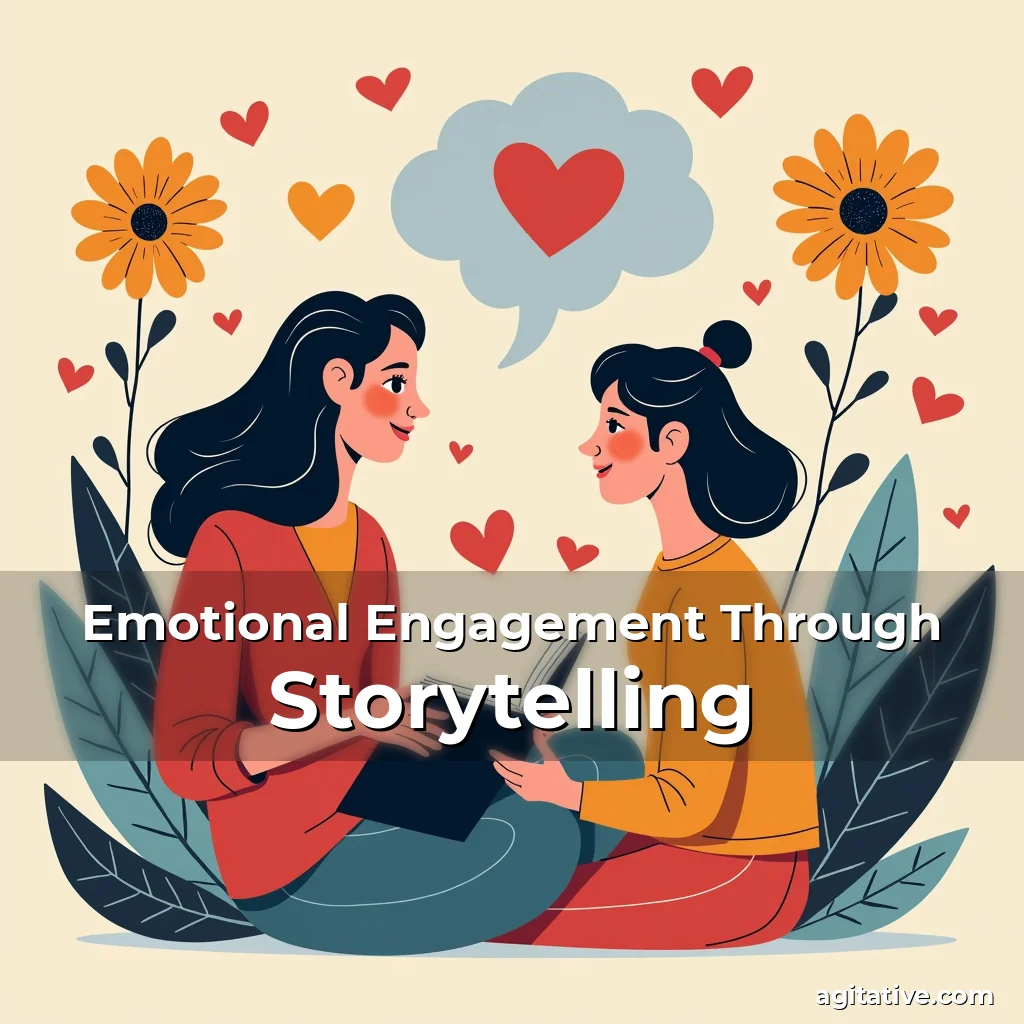
A powerful story contains three essential elements: relatable characters, emotional stakes, and a clear call to action. These components work together to turn abstract issues into personal journeys.
Movement leaders must identify stories that bridge individual experiences with broader societal challenges. A single mother fighting evictions becomes a symbol of systemic housing inequality when told effectively.
Storytelling techniques from film and literature offer valuable lessons for activists. Techniques like pacing, suspense building, and character development help maintain engagement across diverse platforms.
The most impactful stories often originate from grassroots efforts rather than institutional sources. Local voices carry authenticity that resonates deeper than polished corporate messages.
Bridging Empathy Gaps Through Personal Connection
Empathy is not automatic; it requires intentional cultivation. Activists must find ways to make distant issues feel intimately relevant to each person’s life.
Using first-person accounts creates stronger emotional bonds than third-party reports. Hearing someone describe their struggle firsthand activates mirror neurons that simulate shared experience.
“When I was arrested during the protest, my daughter asked me why I couldn’t just stay home,” shares Maria Sanchez, climate activist. Such vulnerable disclosures humanize complex causes.
Creating opportunities for direct interaction between activists and community members builds trust. Listening sessions, town halls, and peer-to-peer outreach all strengthen these connections.
Leveraging Technology for Wider Emotional Reach
Digital tools have transformed how we connect emotionally with global issues. Video testimonials now reach millions instantly, creating ripple effects across cultures and geographies.
Social media algorithms favor emotionally charged content, making it easier for well-crafted messages to gain traction organically. Hashtags serve both as rallying cries and emotional anchors.
Virtual reality offers unprecedented immersion in others’ realities. Experiencing refugee camps or polluted communities through VR creates empathy at levels traditional media cannot achieve.
Data visualization combined with narrative framing helps demystify complex topics. Infographics showing rising temperatures alongside personal climate stories enhance comprehension and concern.
Navigating Ethical Considerations in Emotional Advocacy
While emotional engagement is powerful, it must be wielded responsibly. Manipulative tactics risk eroding public trust and undermining genuine progress.
Authenticity remains paramount. Fabricated stories or exaggerated claims may generate immediate reactions but ultimately damage credibility over time.
Activists should prioritize transparency about their intentions and limitations. Disclosing potential biases or conflicts of interest strengthens ethical foundations.
Respecting cultural differences in emotional expression prevents misinterpretation. What resonates powerfully in one context might seem intrusive in another.
- Balance emotional appeal with factual accuracy
- Allow space for counter-narratives and differing perspectives
- Monitor for signs of emotional manipulation or exploitation
Cultivating Sustained Engagement Beyond Initial Impact
Emotional highs need to be followed by meaningful follow-through. Without tangible outcomes, initial enthusiasm may fade into apathy.
Building feedback loops where participants see the real-world impact of their actions reinforces motivation. Sharing success stories keeps momentum alive even during setbacks.
Community-building initiatives create networks of support that sustain involvement beyond isolated events. Mentorship programs and local chapters help translate passion into consistent action.
Recognizing different forms of contribution – whether financial, intellectual, or emotional – ensures inclusivity in sustained engagement strategies.
The Future of Emotional Engagement in Activism
New technologies will continue reshaping how we engage emotionally with social issues. Augmented reality could soon allow users to virtually walk through historical injustices or future scenarios.
Artificial intelligence presents both opportunities and challenges. While chatbots can personalize interactions, algorithmic bias risks reinforcing existing inequalities in access to information.
Educational institutions play a crucial role in preparing future changemakers. Curricula emphasizing emotional intelligence alongside political science equips students with holistic tools for advocacy.
Global collaboration among activists will become increasingly vital. Cross-cultural exchange of emotional engagement strategies enriches collective approaches to world problems.
Conclusion
Emotional engagement remains central to transformative social change. It bridges the gap between knowledge and action, turning awareness into meaningful participation.
To maximize impact, activists should combine heartfelt storytelling with strategic planning, ethical considerations, and technological innovation. The goal is not merely to move hearts but to inspire enduring commitments to justice and equity.

news is a contributor at Agitative. We are committed to providing well-researched, accurate, and valuable content to our readers.