


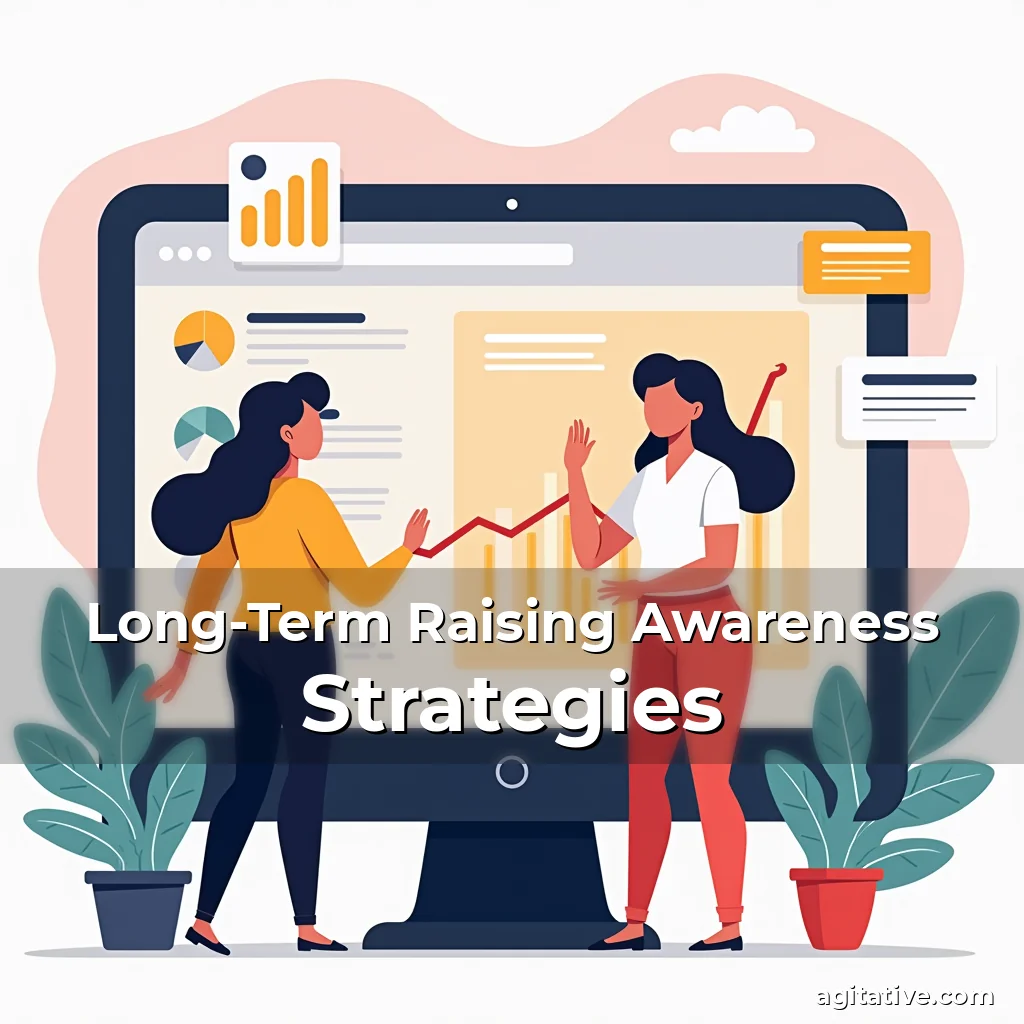
Rising Above Silence: Strategic Approaches to Sustained Social Awakening
The urgency of social change demands more than fleeting outrage—it requires sustained awareness that transforms passion into progress. In an era where information overload drowns out meaningful discourse, raising awareness has become both an art and science.
This guide explores proven strategies to cultivate lasting impact through deliberate engagement with societal issues, ensuring your voice doesn’t fade into digital noise but becomes part of a powerful movement toward justice.
Fundamental Principles of Effective Advocacy
Awareness campaigns must be rooted in authenticity rather than performative gestures. When activists speak from personal experience, their message gains credibility and emotional resonance that mere facts cannot replicate.
Evidence-based arguments form the backbone of credible advocacy. While storytelling humanizes issues, data provides irrefutable support when confronting skepticism or misinformation.
- Credibility through transparency: Share sources openly to build trust and invite fact-checking without fear of exposure
- Empathy as persuasion: Combine statistical evidence with real-life narratives to create emotionally compelling messages
Strategic timing is crucial for maximizing reach and impact. Understanding media cycles and public sentiment allows advocates to position their messaging at moments of highest receptivity.
Measuring success goes beyond simple metrics like shares or likes. Tracking behavioral changes—such as increased participation in local initiatives or policy shifts—provides true indicators of campaign effectiveness.
Building Sustainable Movement Infrastructure
Social movements thrive on strong organizational foundations. This means developing clear leadership structures while maintaining decentralized decision-making processes that empower grassroots members.
Training programs for volunteers ensure consistent quality in outreach efforts. From effective communication techniques to conflict resolution skills, preparedness strengthens collective action capabilities.
Diversifying revenue streams protects against financial instability. Crowdfunding platforms, corporate sponsorships, and membership models can all contribute to long-term sustainability.
Maintaining momentum requires regular evaluation and adaptation. Quarterly assessments help identify what’s working well versus areas needing improvement, allowing for agile strategy adjustments.
Case Study: The Climate Justice Alliance
Founded in 2016, the Climate Justice Alliance demonstrates how strategic infrastructure builds enduring influence. Their hybrid model combines direct community organizing with national lobbying efforts to address environmental racism comprehensively.
The alliance’s commitment to intersectionality ensures climate solutions account for racial and economic disparities. By prioritizing frontline communities most affected by pollution, they’ve built broad coalitions across diverse populations.
Data shows their approach yields tangible results: participating cities have seen average reductions of 28% in air pollution levels within three years of implementation.
Members report feeling empowered by participatory governance structures that give every voice equal weight in decision-making processes—a critical factor in sustaining volunteer engagement over time.
Leveraging Digital Platforms Strategically
In today’s connected world, online presence is essential yet often misunderstood. Successful campaigns use digital spaces not just for broadcasting messages, but for fostering genuine dialogue and relationship-building.
Content creation should prioritize depth over frequency. Thoughtful posts that spark discussion generate higher engagement than mindless updates designed solely for visibility.
Interactive elements like polls, Q&A sessions, and live discussions transform passive observers into active participants who feel personally invested in the cause.
Analyzing engagement patterns helps refine strategies continuously. What works best during protest seasons may need adjustment during quieter periods to maintain steady interest.
Crafting Compelling Narrative Frameworks
Stories are powerful tools for changing perspectives. Personal testimonies humanize abstract issues and make them relatable to new audiences who might otherwise remain indifferent.
Narratives should follow a clear arc that moves from problem identification through solution exploration to call-to-action. This structure guides listeners naturally toward desired outcomes.
Variety in storytelling formats keeps content fresh. Mixing video testimonials with written accounts and audio interviews caters to different learning preferences among potential supporters.
Balancing hope with realism prevents burnout while maintaining motivation. Acknowledging challenges honestly builds trust when sharing successes later.
Fostering Community Engagement
Local involvement creates bridges between global causes and everyday life. Organizing neighborhood meetings or block parties focused on relevant issues brings people together physically and ideologically.
Collaborating with existing community groups leverages established networks rather than starting from scratch each time. These partnerships also provide cultural context that enhances relevance.
Youth engagement programs are particularly vital for future movement continuity. Workshops, mentorship opportunities, and youth-led initiatives nurture new generations of activist leaders.
Creating safe spaces for vulnerable populations encourages honest dialogue about complex issues. These environments allow marginalized voices to shape agendas meaningfully.
Engaging Diverse Audiences Effectively
Successful awareness campaigns recognize and respect cultural differences while promoting common goals. Tailoring approaches appropriately increases acceptance and reduces resistance.
Linguistic accessibility is crucial for reaching non-native speakers. Providing materials in multiple languages or using plain language simplifies understanding without compromising substance.
Addressing systemic barriers proactively makes participation easier for underrepresented groups. This includes considering transportation needs, childcare options, and digital literacy gaps.
Intersectional approaches acknowledge how various forms of discrimination intersect and compound effects. Recognizing these layers leads to more inclusive and impactful solutions.
Establishing Measurable Impact Metrics
Without tracking progress, even the best-intentioned campaigns risk stagnation. Developing key performance indicators (KPIs) provides objective benchmarks for evaluating success.
Combining quantitative measures with qualitative feedback offers a complete picture of campaign effectiveness. Surveys, interviews, and observational studies complement numerical data nicely.
Regular reporting keeps stakeholders informed and engaged. Sharing progress publicly maintains accountability while demonstrating value to donors and partners alike.
Adapting KPIs based on evolving circumstances ensures continued relevance. What worked last year may require modification now due to changed conditions or priorities.
Persistent Advocacy Through Institutional Channels
While grassroots energy drives initial momentum, institutional change requires persistence and patience. Engaging policymakers through targeted lobbying efforts complements street-level activism effectively.
Coalition building strengthens positions before approaching legislative bodies. Uniting diverse groups around shared objectives increases bargaining power significantly.
Developing expert testimony panels adds authority to policy proposals. Academics, medical professionals, and industry experts lend credibility when presenting research-backed recommendations.
Monitoring legislation closely enables timely responses to emerging threats. Proactive engagement prevents problems before they escalate into crises.
Overcoming Common Challenges
No campaign exists without obstacles. Anticipating typical difficulties prepares advocates better equipped to navigate them successfully.
Resistance from entrenched interests often manifests as misinformation campaigns or regulatory roadblocks. Preparing counter-narratives and legal defenses beforehand proves invaluable.
Burnout remains a constant threat despite best intentions. Implementing rotating roles and providing mental health resources helps sustain morale during prolonged struggles.
Resource limitations frequently constrain ambitious projects. Creative problem-solving and strategic alliances enable achieving more with less.
Conclusion
Effective awareness-raising demands intentional strategy combined with unwavering commitment. It’s about creating ripple effects that extend far beyond any single campaign effort.
To truly effect change, continue refining your methods while staying grounded in core values. Remember: sustainable impact comes from persistent, thoughtful engagement—not quick fixes or viral moments alone.
“`


news is a contributor at Agitative. We are committed to providing well-researched, accurate, and valuable content to our readers.
You May Also Like

Inciting Change: Maintaining Momentum
Inciting Change: Maintaining Momentum Through Strategic Action In a world increasingly defined by inequality, environmental crises, and political polarization, the...

Sharing Provocative Ideas in Professional Settings
The Power of Provocative Ideas as Catalysts for Social Change In an era where information is abundant yet action remains...

Creating Agitational Media Content
The Power of Agitational Media in Fueling Social Change Agitational media has long been a cornerstone of grassroots movements, amplifying...

Celebrity Activism Trends and Impact
Celebrity Activism Trends and Impact In an era where public figures wield unprecedented influence over global conversations, celebrity activism has...