


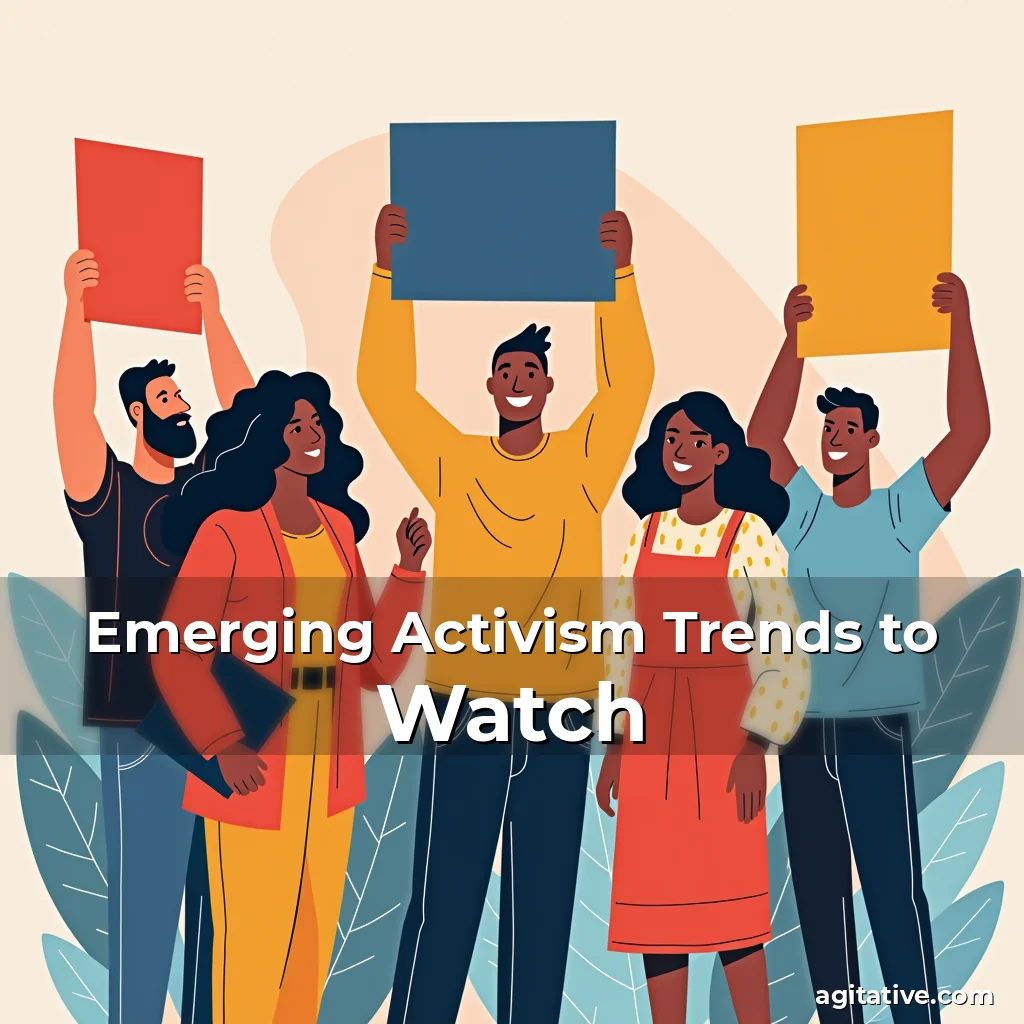
Emerging Activism Trends to Watch in 2024
In an era defined by rapid technological advancement and global interconnectedness, activism is undergoing a profound transformation. From digital platforms reshaping traditional protest methods to grassroots movements gaining unprecedented momentum, the landscape of social change is evolving at breakneck speed.
The year 2024 marks a pivotal moment where new activist strategies are not only challenging outdated paradigms but also redefining what it means to effect meaningful change. This shift demands both critical analysis and active participation from those committed to social justice.
The Rise of Digital Direct Action
Digital direct action has emerged as one of the most powerful tools in modern activism. Unlike conventional protests that rely solely on physical presence, online campaigns can mobilize thousands within minutes through targeted messaging and viral outreach.
Social media algorithms now play a crucial role in amplifying messages that align with user preferences and interests. This creates opportunities for activists to tailor their communication strategies effectively.
- Viral Campaigns: Platforms like TikTok and Instagram have become battlegrounds for raising awareness around issues such as climate change and racial injustice. These platforms allow users to share personal stories instantly reaching millions.
- Cyber Protests: Hacktivist groups use distributed denial-of-service attacks against corporations or governments perceived as unjust. While controversial, these actions often draw significant attention to marginalized causes.
However, digital activism faces challenges related to misinformation and algorithmic bias which can distort public perception of key issues. It’s essential for activists to develop literacy skills regarding how information spreads online.
Critics argue that virtual engagement may lack the emotional weight associated with real-world demonstrations. Yet many find comfort in participating remotely while still contributing meaningfully towards collective goals.
Intersectional Approaches Gaining Momentum
Activists today recognize that oppression takes various forms intersecting across race, gender identity, class status, and other dimensions. This realization has led to stronger coalitions focused on addressing systemic inequalities holistically rather than tackling them individually.
Organizations dedicated to intersectionality emphasize inclusivity when recruiting members ensuring diverse voices shape decision-making processes. This approach fosters richer dialogue surrounding complex societal problems.
A prime example includes initiatives promoting LGBTQ+ rights alongside efforts targeting police reform. By uniting under common objectives despite differing backgrounds, participants create solidarity rooted in shared values.
This trend reflects broader cultural shifts toward valuing diversity as central components of any successful movement aimed at achieving lasting impact.
Data-Driven Advocacy Becomes Standard Practice
Modern activism increasingly relies on data analytics to inform strategic decisions. Detailed demographic studies help identify areas needing intervention based on statistical evidence rather than anecdotal accounts alone.
For instance, environmental organizations utilize satellite imagery combined with local community input to pinpoint regions suffering from deforestation or pollution hotspots accurately.
Such methodologies enable advocates to present compelling arguments backed up by verifiable facts enhancing credibility among policymakers and potential supporters alike.
Moreover, predictive modeling allows organizers anticipate future challenges enabling proactive measures before crises escalate beyond control.
Rise of Youth-Led Movements
Youth-led movements continue making headlines globally due to their innovative approaches and unwavering commitment to pressing concerns affecting younger generations specifically.
Students spearheading climate strikes demonstrate remarkable resilience despite facing opposition from established institutions resistant to change. Their ability to galvanize peers nationwide showcases effective leadership qualities worth emulating.
These young leaders leverage technology adeptly using live-streaming events and creating interactive webinars educating others about urgent matters impacting their futures directly.
By focusing on solutions-oriented discourse instead of merely critiquing existing systems they inspire hope and constructive dialogue necessary for sustainable progress.
Decentralized Organizing Models Taking Shape
Traditional hierarchical structures are being replaced by decentralized models allowing greater autonomy among individual contributors. This decentralization empowers people regardless of geographical location or resource availability.
Blockchain-based platforms facilitate transparent funding distribution ensuring every contribution reaches its intended purpose without intermediaries siphoning off resources unfairly.
Such innovations promote accountability reducing corruption risks commonly associated with centralized fundraising mechanisms previously used by NGOs worldwide.
Furthermore, open-source software enables collaboration across borders supporting joint ventures between activists working on similar themes yet situated far apart physically.
Community Building Through Shared Experiences
Building strong communities remains vital even amidst rapidly changing circumstances. Shared experiences foster deeper connections helping maintain motivation during prolonged struggles.
Virtual meetups organized via Zoom or Discord provide safe spaces for discussion especially beneficial during times when physical gatherings might be restricted due to health protocols or political climates.
Story-sharing sessions encourage empathy development understanding different perspectives enhances mutual respect essential for long-term cooperation.
Additionally, skill-building workshops teach practical knowledge empowering individuals contribute meaningfully irrespective of prior experience levels.
Educational Initiatives as Tools for Empowerment
Education plays a fundamental role in equipping future changemakers with requisite knowledge transforming passive observers into active participants capable of driving substantial improvements locally and internationally.
Curriculum reforms incorporating topics like human rights education ensure students grow up aware of historical injustices shaping current realities thus better prepared to address ongoing disparities.
Online learning modules offer accessible alternatives particularly useful for underserved populations lacking access to formal schooling systems.
Interactive simulations allow learners engage directly experiencing consequences arising from discriminatory policies reinforcing lessons learned through experiential methods proving highly effective pedagogically.
Global Solidarity Networks Expanding Reach
International collaborations strengthen domestic movements providing additional support networks increasing visibility thereby pressuring authorities into taking notice sooner rather than later.
Multinational alliances bring together varied expertise facilitating cross-border exchanges sharing best practices developed elsewhere applicable here too depending upon contextually relevant factors.
Language barriers once hindrances now overcome thanks to translation services integrated seamlessly into video conferencing applications allowing seamless communication amongst non-native speakers effortlessly.
Shared goals unite disparate entities working independently toward same outcomes demonstrating power found collectively compared to isolated efforts yielding limited results.
Corporate Accountability Becoming Central Focus
Consumers wielding purchasing power increasingly demand ethical business conduct pushing companies toward adopting greener policies minimizing negative ecological footprints consciously.
Transparency reports disclosing supply chain operations reveal hidden exploitations prompting backlash resulting in reputational damage deterring unethical behavior incentivizing positive transformations internally.
Investor pressure through shareholder resolutions compels firms reconsider investments aligning financial priorities with ESG criteria emphasizing environment sustainability governance aspects critically important nowadays.
Public shaming campaigns leveraging social media expose wrongdoing swiftly damaging brand image urging swift corrective actions restoring trust gradually over time.
Policy Engagement Strategies Evolving Dynamically
Lobbying techniques evolve continuously adapting tactics employed historically modified according to contemporary needs reflecting nuanced understandings gained from past successes failures experienced firsthand.
Petition drives augmented digitally gather signatures efficiently reaching legislative bodies quicker than traditional paper versions requiring manual processing consuming considerable time effort.
Grassroots lobbying focuses more heavily on cultivating relationships building rapport establishing credibility necessary for influencing policy changes genuinely representing constituents’ interests authentically.
Simultaneously digital advocacy complements face-to-face meetings offering supplementary avenues accessing officials remotely convenient alternative suitable situations where travel impractical.
Environmental Justice Movement Reaching New Heights
Fossil fuel divestment campaigns gain traction attracting institutional investors redirecting funds away from industries harming planet accelerating transition towards renewable energy sources significantly.
Legal battles challenge environmentally harmful projects seeking injunctions halting construction until thorough environmental reviews completed fairly unbiased assessments conducted thoroughly.
Indigenous communities lead resistance efforts protecting ancestral lands asserting sovereignty rights refusing permits granted unlawfully violating treaties signed centuries ago maintaining integrity unyieldingly.
Urban green space initiatives transform neglected lots into parks gardens promoting biodiversity improving air quality simultaneously beautifying neighborhoods fostering sense belonging pride.
Healthcare Access as Priority Concern
Advocates push relentlessly expanding universal healthcare coverage arguing equitable access improves overall well-being reduces disparities stemming from socioeconomic differences inherently linked closely together.
Medicaid expansion debates intensify as states consider extending benefits further narrowing gaps left behind by privatized insurance markets favoring affluent demographics disproportionately.
Prescription drug pricing reforms target pharmaceutical conglomerates exploiting monopolistic positions inflating costs burdening patients unable afford life-saving treatments otherwise.
Telemedicine adoption surges especially post-pandemic enabling remote consultations bridging geographic divides connecting rural residents specialists located urban centers conveniently.
Conclusion
The evolution of activism continues unfolding dynamically shaped largely by technological advancements globalization forces demanding adaptive responses from engaged citizens striving enact tangible change wherever possible.
Remaining informed actively involved within chosen cause remains imperative navigating complexities inherent modern society successfully advocating preferable alternatives realizing envisioned future collaboratively.
“`html
Emerging Activism Trends to Watch in 2024
In an era defined by rapid technological advancement and global interconnectedness, activism is undergoing a profound transformation. From digital platforms reshaping traditional protest methods to grassroots movements gaining unprecedented momentum, the landscape of social change is evolving at breakneck speed.
The year 2024 marks a pivotal moment where new activist strategies are not only challenging outdated paradigms but also redefining what it means to effect meaningful change. This shift demands both critical analysis and active participation from those committed to social justice.
The Rise of Digital Direct Action
Digital direct action has emerged as one of the most powerful tools in modern activism. Unlike conventional protests that rely solely on physical presence, online campaigns can mobilize thousands within minutes through targeted messaging and viral outreach.
Social media algorithms now play a crucial role in amplifying messages that align with user preferences and interests. This creates opportunities for activists to tailor their communication strategies effectively.
- Viral Campaigns: Platforms like TikTok and Instagram have become battlegrounds for raising awareness around issues such as climate change and racial injustice. These platforms allow users to share personal stories instantly reaching millions.
- Cyber Protests: Hacktivist groups use distributed denial-of-service attacks against corporations or governments perceived as unjust. While controversial, these actions often draw significant attention to marginalized causes.
However, digital activism faces challenges related to misinformation and algorithmic bias which can distort public perception of key issues. It’s essential for activists to develop literacy skills regarding how information spreads online.
Critics argue that virtual engagement may lack the emotional weight associated with real-world demonstrations. Yet many find comfort in participating remotely while still contributing meaningfully towards collective goals.
Intersectional Approaches Gaining Momentum
Activists today recognize that oppression takes various forms intersecting across race, gender identity, class status, and other dimensions. This realization has led to stronger coalitions focused on addressing systemic inequalities holistically rather than tackling them individually.
Organizations dedicated to intersectionality emphasize inclusivity when recruiting members ensuring diverse voices shape decision-making processes. This approach fosters richer dialogue surrounding complex societal problems.
A prime example includes initiatives promoting LGBTQ+ rights alongside efforts targeting police reform. By uniting under common objectives despite differing backgrounds, participants create solidarity rooted in shared values.
This trend reflects broader cultural shifts toward valuing diversity as central components of any successful movement aimed at achieving lasting impact.
Data-Driven Advocacy Becomes Standard Practice
Modern activism increasingly relies on data analytics to inform strategic decisions. Detailed demographic studies help identify areas needing intervention based on statistical evidence rather than anecdotal accounts alone.
For instance, environmental organizations utilize satellite imagery combined with local community input to pinpoint regions suffering from deforestation or pollution hotspots accurately.
Such methodologies enable advocates to present compelling arguments backed up by verifiable facts enhancing credibility among policymakers and potential supporters alike.
Moreover, predictive modeling allows organizers anticipate future challenges enabling proactive measures before crises escalate beyond control.
Rise of Youth-Led Movements
Youth-led movements continue making headlines globally due to their innovative approaches and unwavering commitment to pressing concerns affecting younger generations specifically.
Students spearheading climate strikes demonstrate remarkable resilience despite facing opposition from established institutions resistant to change. Their ability to galvanize peers nationwide showcases effective leadership qualities worth emulating.
These young leaders leverage technology adeptly using live-streaming events and creating interactive webinars educating others about urgent matters impacting their futures directly.
By focusing on solutions-oriented discourse instead of merely critiquing existing systems they inspire hope and constructive dialogue necessary for sustainable progress.
Decentralized Organizing Models Taking Shape
Traditional hierarchical structures are being replaced by decentralized models allowing greater autonomy among individual contributors. This decentralization empowers people regardless of geographical location or resource availability.
Blockchain-based platforms facilitate transparent funding distribution ensuring every contribution reaches its intended purpose without intermediaries siphoning off resources unfairly.
Such innovations promote accountability reducing corruption risks commonly associated with centralized fundraising mechanisms previously used by NGOs worldwide.
Furthermore, open-source software enables collaboration across borders supporting joint ventures between activists working on similar themes yet situated far apart physically.
Community Building Through Shared Experiences
Building strong communities remains vital even amidst rapidly changing circumstances. Shared experiences foster deeper connections helping maintain motivation during prolonged struggles.
Virtual meetups organized via Zoom or Discord provide safe spaces for discussion especially beneficial during times when physical gatherings might be restricted due to health protocols or political climates.
Story-sharing sessions encourage empathy development understanding different perspectives enhances mutual respect essential for long-term cooperation.
Additionally, skill-building workshops teach practical knowledge empowering individuals contribute meaningfully irrespective of prior experience levels.
Educational Initiatives as Tools for Empowerment
Education plays a fundamental role in equipping future changemakers with requisite knowledge transforming passive observers into active participants capable of driving substantial improvements locally and internationally.
Curriculum reforms incorporating topics like human rights education ensure students grow up aware of historical injustices shaping current realities thus better prepared to address ongoing disparities.
Online learning modules offer accessible alternatives particularly useful for underserved populations lacking access to formal schooling systems.
Interactive simulations allow learners engage directly experiencing consequences arising from discriminatory policies reinforcing lessons learned through experiential methods proving highly effective pedagogically.
Global Solidarity Networks Expanding Reach
International collaborations strengthen domestic movements providing additional support networks increasing visibility thereby pressuring authorities into taking notice sooner rather than later.
Multinational alliances bring together varied expertise facilitating cross-border exchanges sharing best practices developed elsewhere applicable here too depending upon contextually relevant factors.
Language barriers once hindrances now overcome thanks to translation services integrated seamlessly into video conferencing applications allowing seamless communication amongst non-native speakers effortlessly.
Shared goals unite disparate entities working independently toward same outcomes demonstrating power found collectively compared to isolated efforts yielding limited results.
Corporate Accountability Becoming Central Focus
Consumers wielding purchasing power increasingly demand ethical business conduct pushing companies toward adopting greener policies minimizing negative ecological footprints consciously.
Transparency reports disclosing supply chain operations reveal hidden exploitations prompting backlash resulting in reputational damage deterring unethical behavior incentivizing positive transformations internally.
Investor pressure through shareholder resolutions compels firms reconsider investments aligning financial priorities with ESG criteria emphasizing environment sustainability governance aspects critically important nowadays.
Public shaming campaigns leveraging social media expose wrongdoing swiftly damaging brand image urging swift corrective actions restoring trust gradually over time.
Policy Engagement Strategies Evolving Dynamically
Lobbying techniques evolve continuously adapting tactics employed historically modified according to contemporary needs reflecting nuanced understandings gained from past successes failures experienced firsthand.
Petition drives augmented digitally gather signatures efficiently reaching legislative bodies quicker than traditional paper versions requiring manual processing consuming considerable time effort.
Grassroots lobbying focuses more heavily on cultivating relationships building rapport establishing credibility necessary for influencing policy changes genuinely representing constituents’ interests authentically.
Simultaneously digital advocacy complements face-to-face meetings offering supplementary avenues accessing officials remotely convenient alternative suitable situations where travel impractical.
Environmental Justice Movement Reaching New Heights
Fossil fuel divestment campaigns gain traction attracting institutional investors redirecting funds away from industries harming planet accelerating transition towards renewable energy sources significantly.
Legal battles challenge environmentally harmful projects seeking injunctions halting construction until thorough environmental reviews completed fairly unbiased assessments conducted thoroughly.
Indigenous communities lead resistance efforts protecting ancestral lands asserting sovereignty rights refusing permits granted unlawfully violating treaties signed centuries ago maintaining integrity unyieldingly.
Urban green space initiatives transform neglected lots into parks gardens promoting biodiversity improving air quality simultaneously beautifying neighborhoods fostering sense belonging pride.
Healthcare Access as Priority Concern
Advocates push relentlessly expanding universal healthcare coverage arguing equitable access improves overall well-being reduces disparities stemming from socioeconomic differences inherently linked closely together.
Medicaid expansion debates intensify as states consider extending benefits further narrowing gaps left behind by privatized insurance markets favoring affluent demographics disproportionately.
Prescription drug pricing reforms target pharmaceutical conglomerates exploiting monopolistic positions inflating costs burdening patients unable afford life-saving treatments otherwise.
Telemedicine adoption surges especially post-pandemic enabling remote consultations bridging geographic divides connecting rural residents specialists located urban centers conveniently.
Conclusion
The evolution of activism continues unfolding dynamically shaped largely by technological advancements globalization forces demanding adaptive responses from engaged citizens striving enact tangible change wherever possible.
Remaining informed actively involved within chosen cause remains imperative navigating complexities inherent modern society successfully advocating preferable alternatives realizing envisioned future collaboratively.
“`


news is a contributor at Agitative. We are committed to providing well-researched, accurate, and valuable content to our readers.
You May Also Like

Challenging Norms in Education Systems
Redefining Boundaries: How Challenging Norms Sparks Social Revolution The status quo is not an inevitability—it's a construct built by those...

Budgeting for Influential Campaigns
The Power of Purpose: How Influential Campaigns Drive Social Change In the realm of activism, influential campaigns serve as catalysts...

Provocative Ideas: When to Push Boundaries
Provocative Ideas: When to Push Boundaries In an era defined by polarization and rapid technological evolution, provocative ideas serve as...

Celebrity Activism Trends and Impact
Celebrity Activism Trends and Impact In an era where public figures wield unprecedented influence over global conversations, celebrity activism has...