
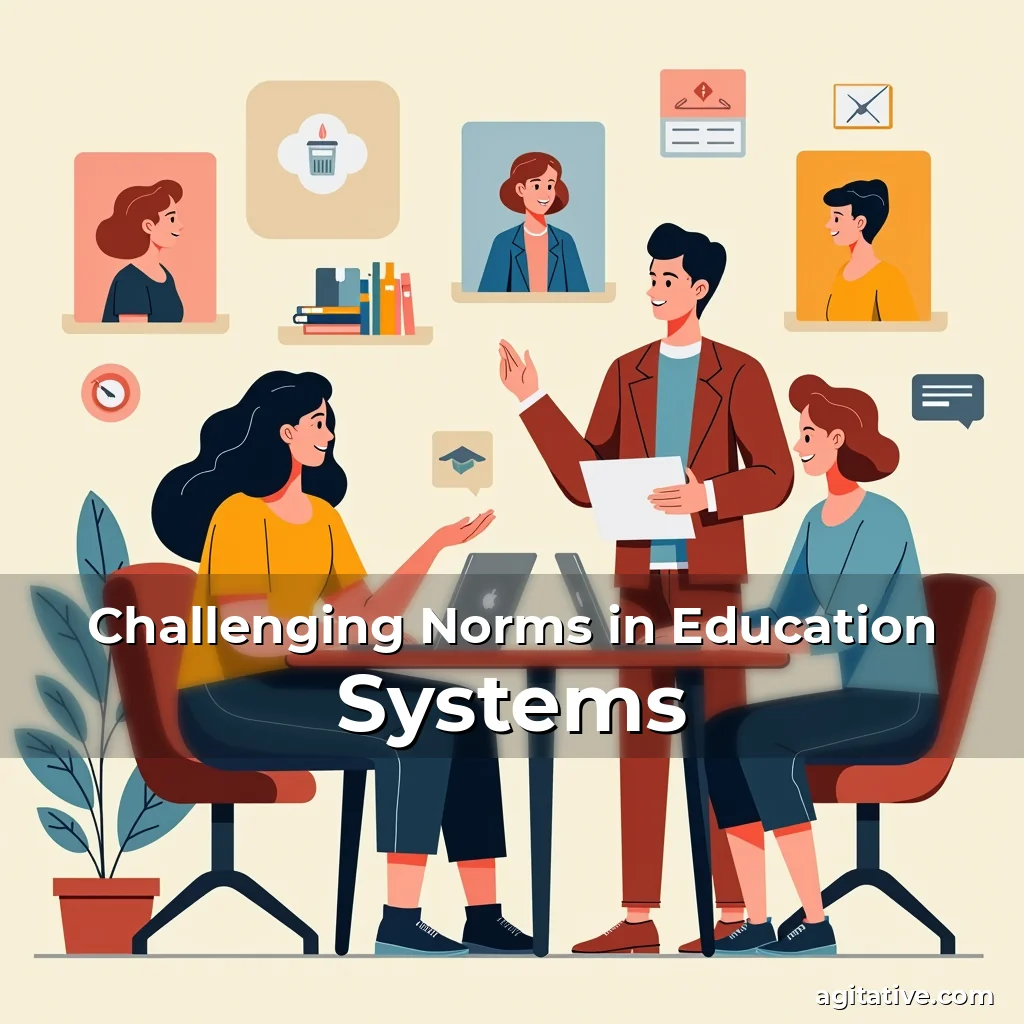
Redefining Boundaries: How Challenging Norms Sparks Social Revolution
The status quo is not an inevitability—it’s a construct built by those who benefit from its rigidity. When we speak of challenging norms, we’re talking about dismantling systems that have long upheld inequality, oppression, and stagnation through carefully maintained traditions. This isn’t merely about personal rebellion; it’s a collective act of defiance against structures that silence marginalized voices.
In today’s world, where information spreads faster than ever before, the power dynamics of normative systems are under unprecedented scrutiny. Activists, educators, artists, and everyday citizens are finding new ways to question what has been accepted as natural or necessary. From questioning gender binaries to reimagining economic models, these challenges force society to confront uncomfortable truths about itself.
The Foundations of Social Norms
Social norms are the invisible rules that govern our behavior within communities. They dictate how we dress, speak, interact, and even think. These unspoken agreements form the backbone of societal cohesion but often serve to maintain existing hierarchies at the expense of progress.
Historically, many so-called “norms” were created during times when certain groups held disproportionate power over others. For instance, colonial powers imposed their languages and customs upon colonized regions, framing them as superior while erasing indigenous practices. Such impositions continue to influence global interactions today.
These norms aren’t static—they evolve slowly over time, usually only when enough people demand change. However, evolution can also become resistance if those in power feel threatened by shifts toward inclusivity or equity. It becomes crucial then for activists to understand both the origins and implications of each challenged norm.
- Cultural imperialism: Imposing dominant culture onto less powerful cultures through media, education, and political institutions.
- Economic exploitation: Using established norms around labor rights and wages to justify exploitative working conditions globally.
The Role of Education in Shifting Paradigms
Education plays a pivotal role in either reinforcing or transforming social norms. Traditional educational frameworks often prioritize conformity over creativity, discouraging students from exploring alternative perspectives that might challenge prevailing ideologies.
However, progressive pedagogical approaches emphasize critical thinking skills which enable learners to analyze, question, and ultimately reshape societal expectations. By fostering environments where curiosity is valued above compliance, schools become incubators for innovation rather than mere transmitters of outdated values.
Dismantling Gender Stereotypes Through Curriculum Reform
Gender stereotypes embedded in curricula contribute significantly to reinforcing rigid roles assigned to individuals based solely on biological sex. Textbooks frequently portray men as leaders and women primarily as caregivers—an oversimplification that limits potential futures for countless young minds.
A study conducted by UNESCO found that girls exposed to non-gendered STEM materials showed increased interest in pursuing careers traditionally dominated by males. This demonstrates clearly how curriculum design impacts career aspirations across genders.
Introducing diverse representation in literature choices helps dismantle harmful stereotypes too. When children see characters beyond traditional gender roles portrayed positively without stigma, they begin constructing identities free from restrictive labels early on.
Art as Resistance: Visual Storytelling Against Oppression
Art has always served dual purposes—entertainment and provocation. In activist contexts, visual art transforms into potent tools capable of exposing injustices previously hidden beneath layers of complacency.
Murals depicting historical figures fighting for civil rights bring attention back to struggles still relevant today. Graffiti messages scrawled along walls challenge viewers with direct questions about complicity versus action regarding systemic issues affecting real people every day.
Photography captures moments that words alone cannot convey effectively. A single image showing police brutality against unarmed protesters can stir outrage worldwide instantly—a testament to photography’s ability to spark international solidarity movements overnight.
Leveraging Technology for Collective Action
Modern technology offers unprecedented opportunities for organizing mass demonstrations, spreading awareness campaigns quickly across continents, and amplifying minority voices otherwise ignored by mainstream narratives.
Social media platforms allow grassroots organizers to bypass corporate gatekeepers entirely, reaching millions directly via hashtags, live streams, and viral videos showcasing acts of bravery against oppressive regimes or policies.
Decentralized networks such as blockchain-based voting systems present alternatives to centralized authorities prone to corruption. These technologies empower disenfranchised populations by providing transparent mechanisms for participation in governance processes once deemed inaccessible.
Reclaiming Space: Urban Planning and Public Discourse
Public spaces shape community life profoundly yet remain largely controlled by entities prioritizing profit margins over human needs. Reclaiming these areas involves redesigning urban landscapes to reflect inclusive principles instead of exclusionary ones driven purely by commercial interests.
Park benches placed strategically near homeless shelters encourage casual encounters between housed residents and unhoused neighbors, promoting empathy through daily interaction rather than institutional programs focused narrowly on charity work.
Street performances scheduled regularly in city squares provide platforms where diverse cultural expressions coexist openly, celebrating differences rather than suppressing them under homogenized entertainment standards dictated by market forces.
Legal Frameworks and Their Limits
While legal systems aim to uphold justice, they often lag behind evolving ethical standards due to bureaucratic inertia and lobbying influences favoring entrenched interests. Laws enacted decades ago may now appear archaic compared to current understandings about equality and freedom.
Legislation requiring mandatory gender-neutral pronouns usage reflects contemporary recognition that binary categorizations fail many transgender individuals seeking validation within formal settings ranging from classrooms to courtrooms alike.
Banning conversion therapy represents another legislative shift acknowledging past wrongdoings committed under guise of “help” aimed at enforcing heteronormativity upon LGBTQ+ youth vulnerable to bullying and discrimination.
Community Building as Radical Act
Creating safe havens where people can express themselves authentically fosters resilience against external pressures designed to suppress individuality. Community centers offering mentorship programs specifically tailored towards queer teens help build confidence essential for navigating hostile environments outside these supportive circles.
Food cooperatives managed collectively ensure equitable access to nutritious meals regardless of income levels, countering food deserts prevalent in low-income neighborhoods affected disproportionately by environmental degradation linked closely with industrial agriculture practices.
Such initiatives demonstrate tangible examples of how localized efforts translate into broader societal transformations when replicated widely enough across different geographic locations sharing similar socio-economic challenges.
Conclusion
Challenging norms requires sustained effort involving multiple fronts—from policy reformations down to interpersonal relationships shaping microcultures within workplaces and homes alike.
To truly effect lasting change, advocates must embrace complexity inherent in any transformation process knowing full well there will likely be setbacks along journey toward liberation. Yet persistence remains key ingredient ensuring eventual success despite inevitable obstacles encountered en route.